
Level 1 sweep and inspection to the NFPA 211 annual standard - flue, crown, cap, and flashing checked and photographed
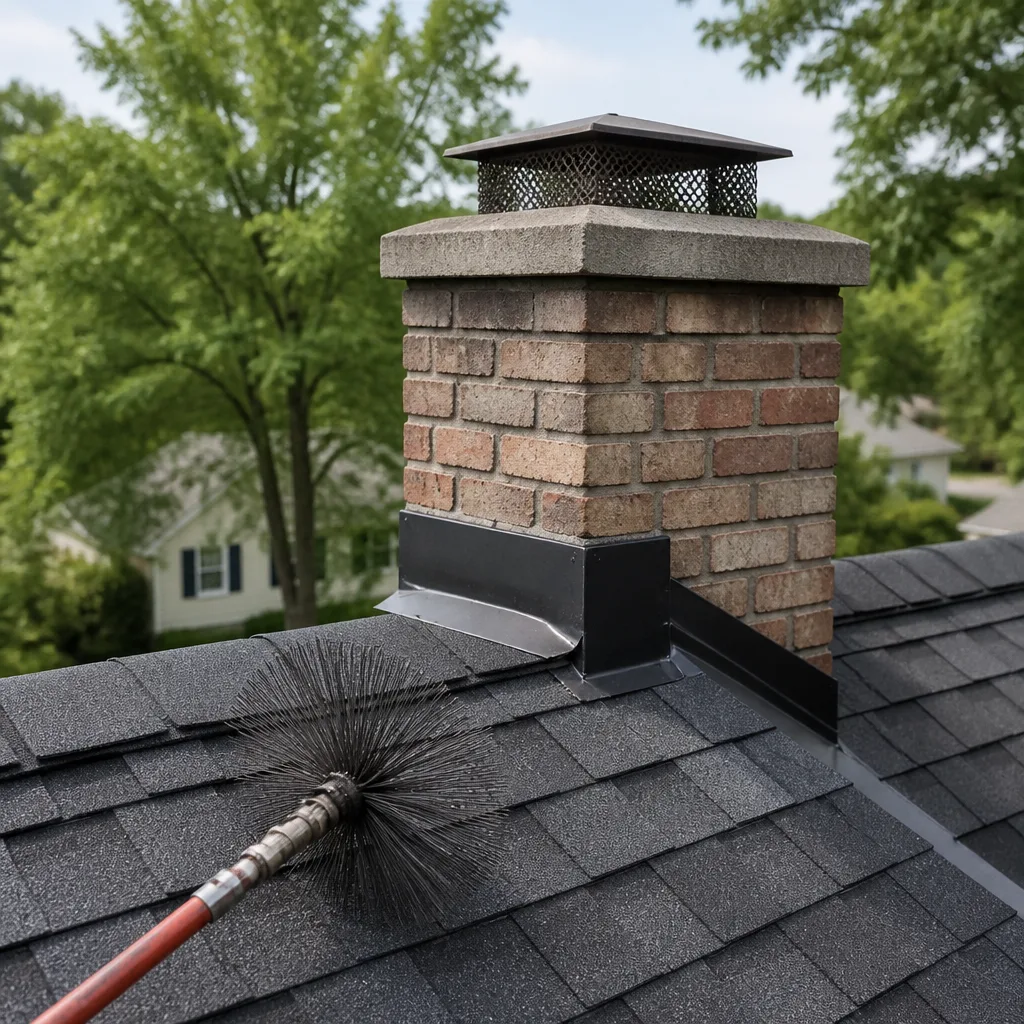
Chimney sweep logs do not sweep chimneys. They loosen some creosote - which then falls where a brush and vacuum still have to collect it.
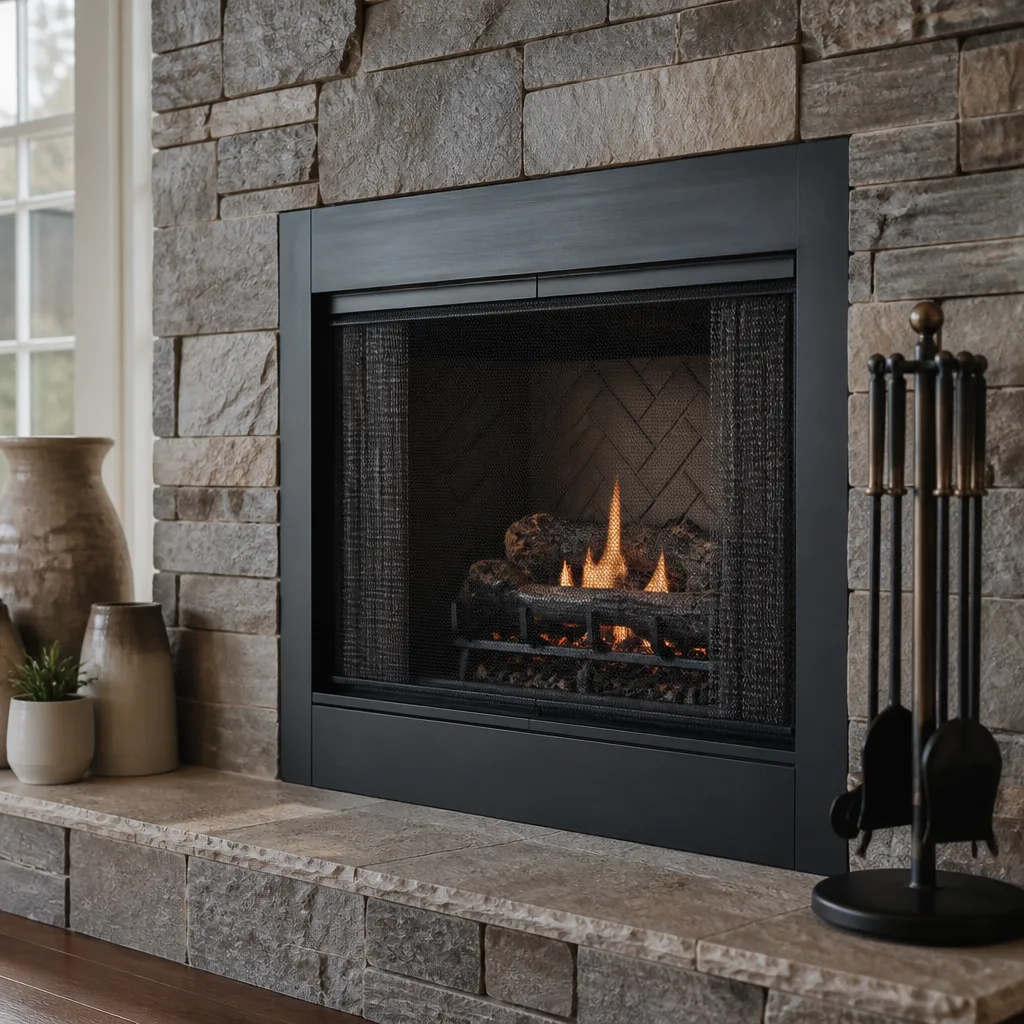
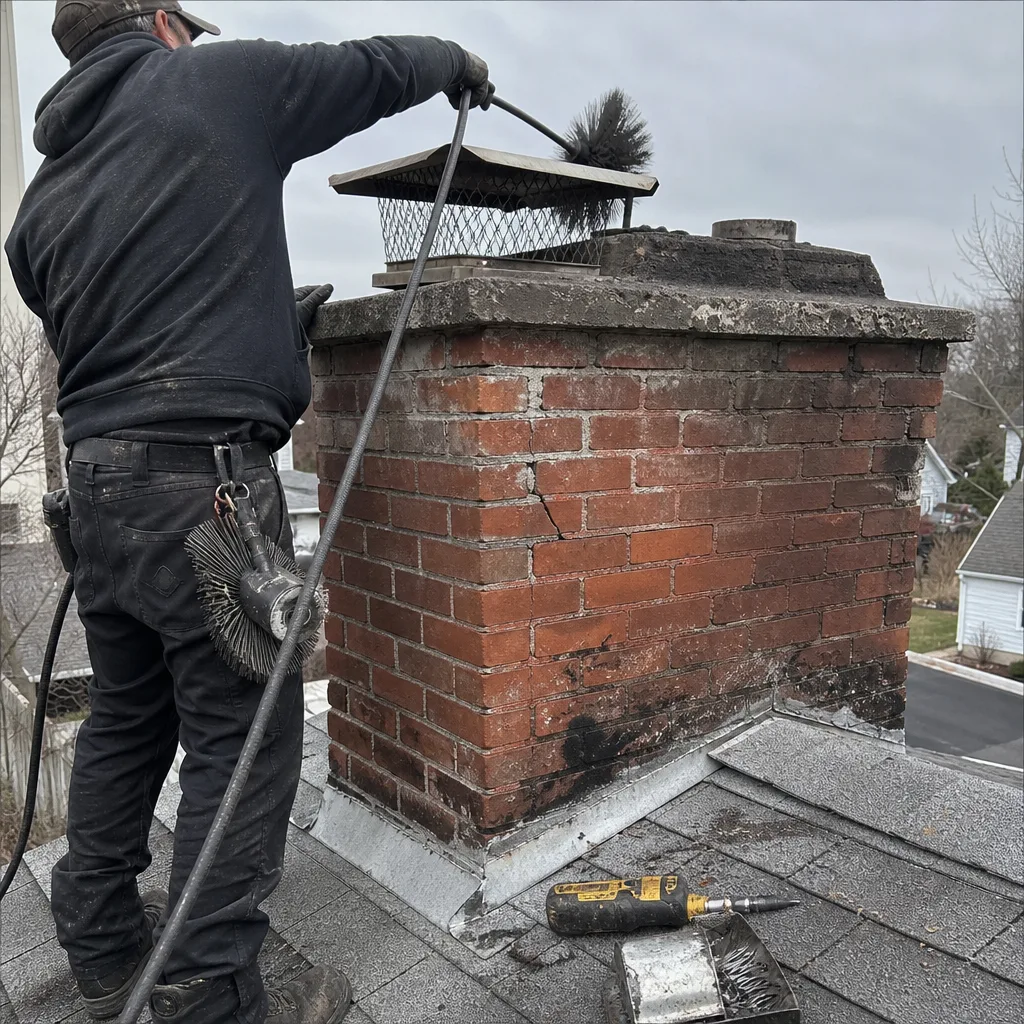 Before
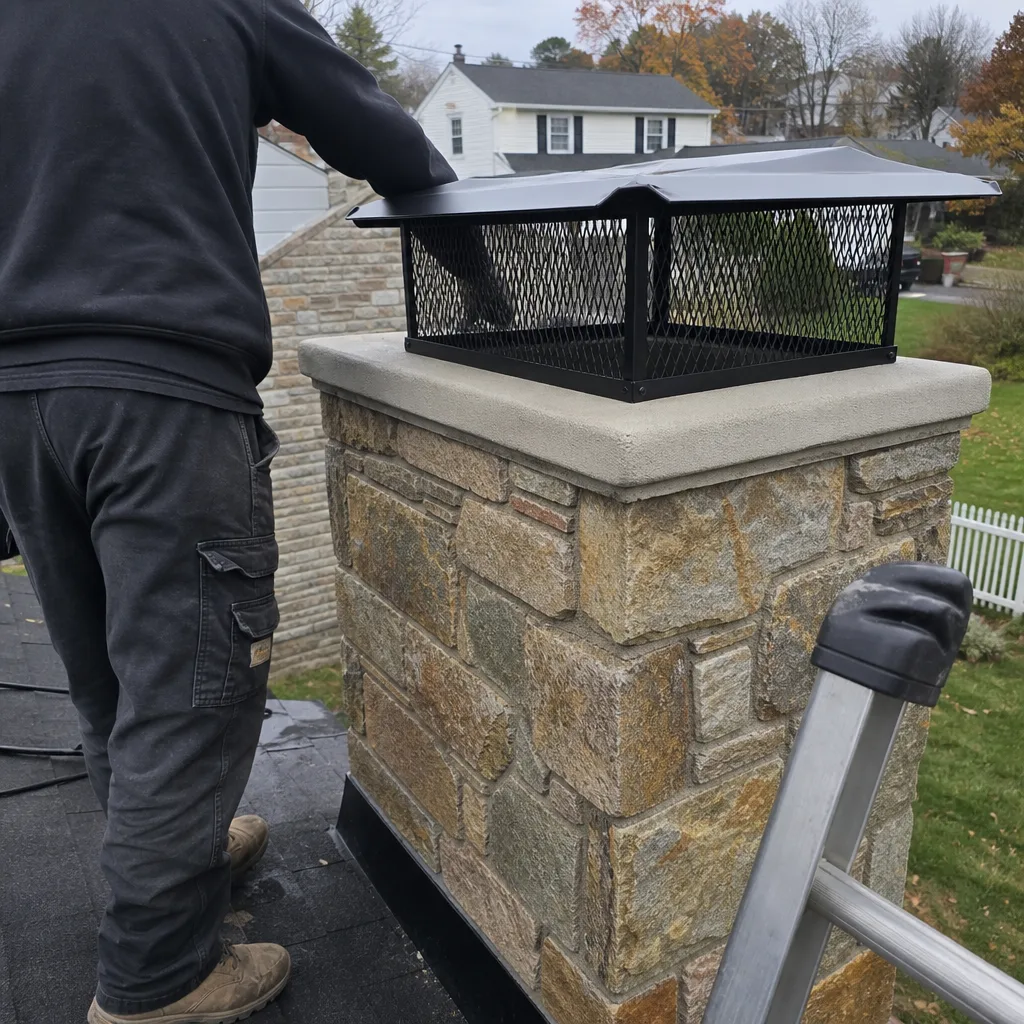 After
After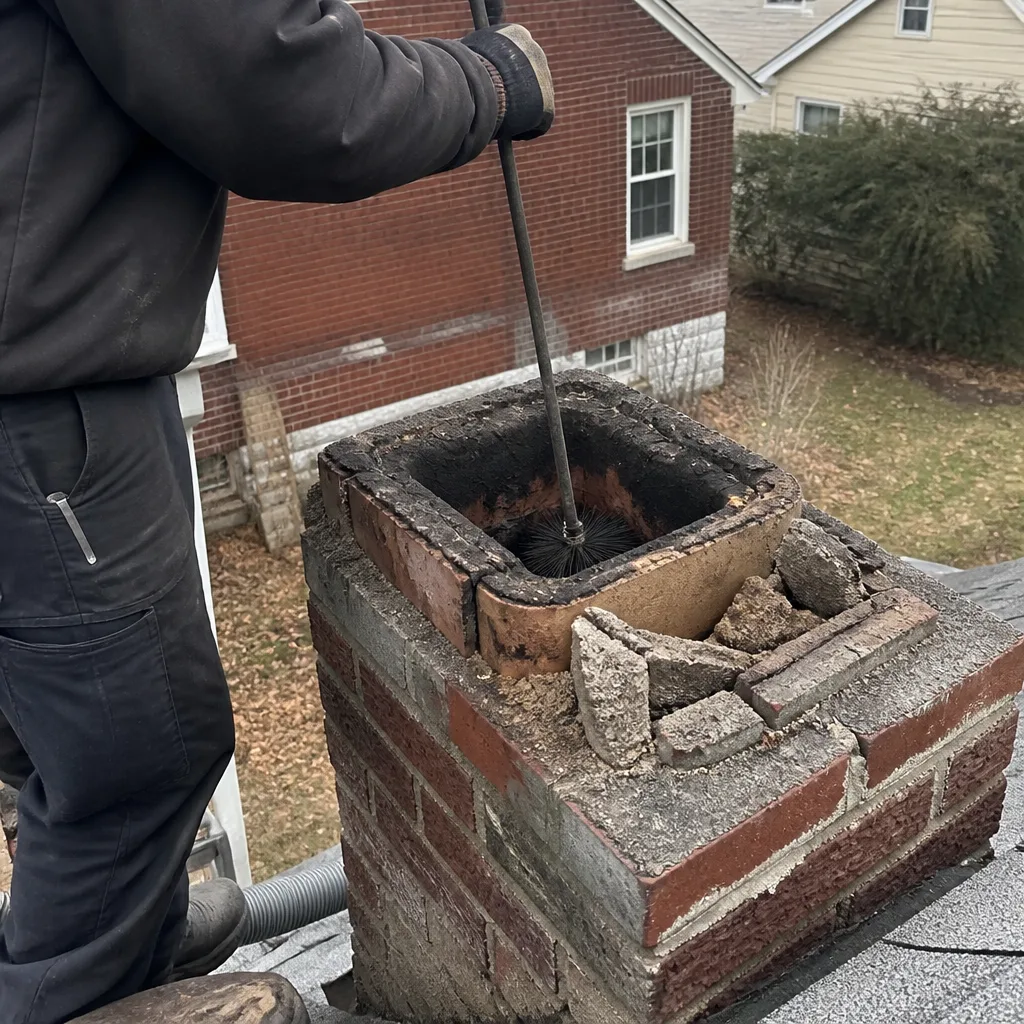 Before
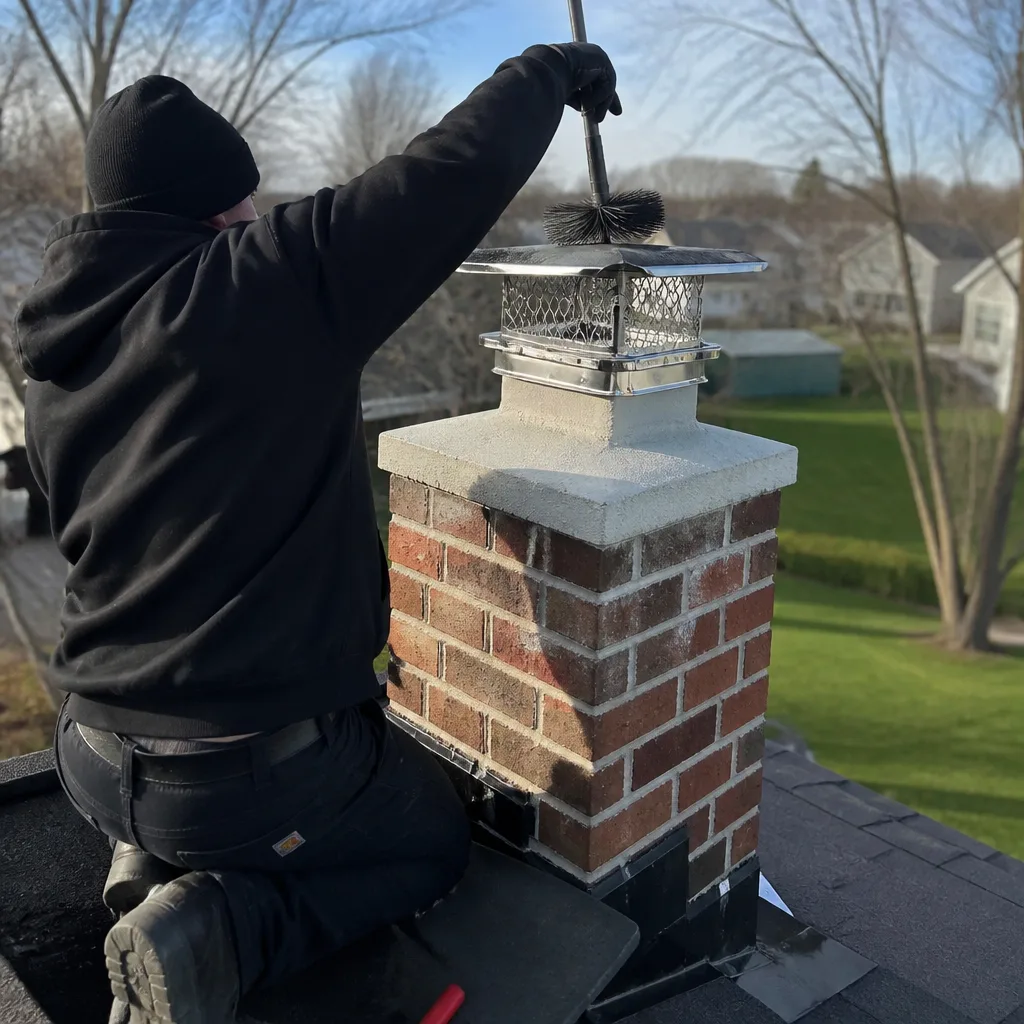 After
After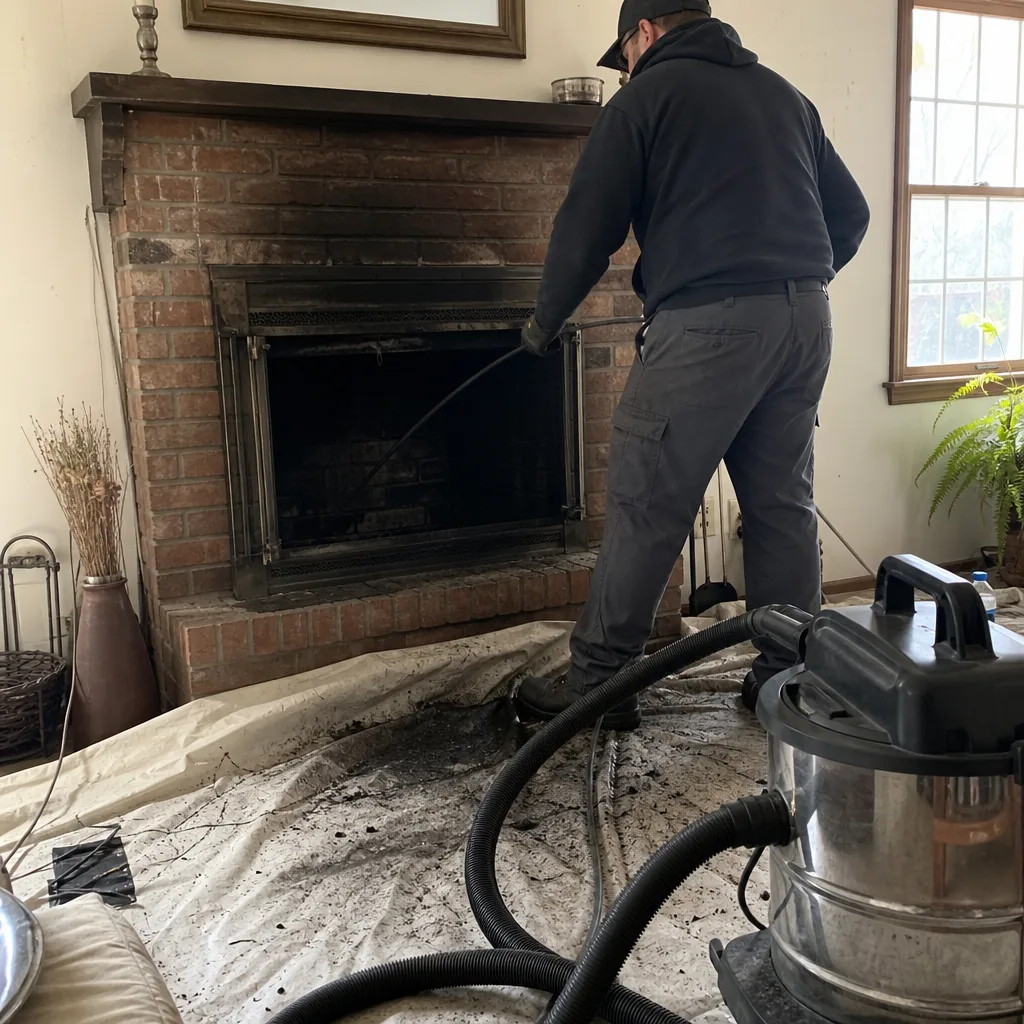 Before
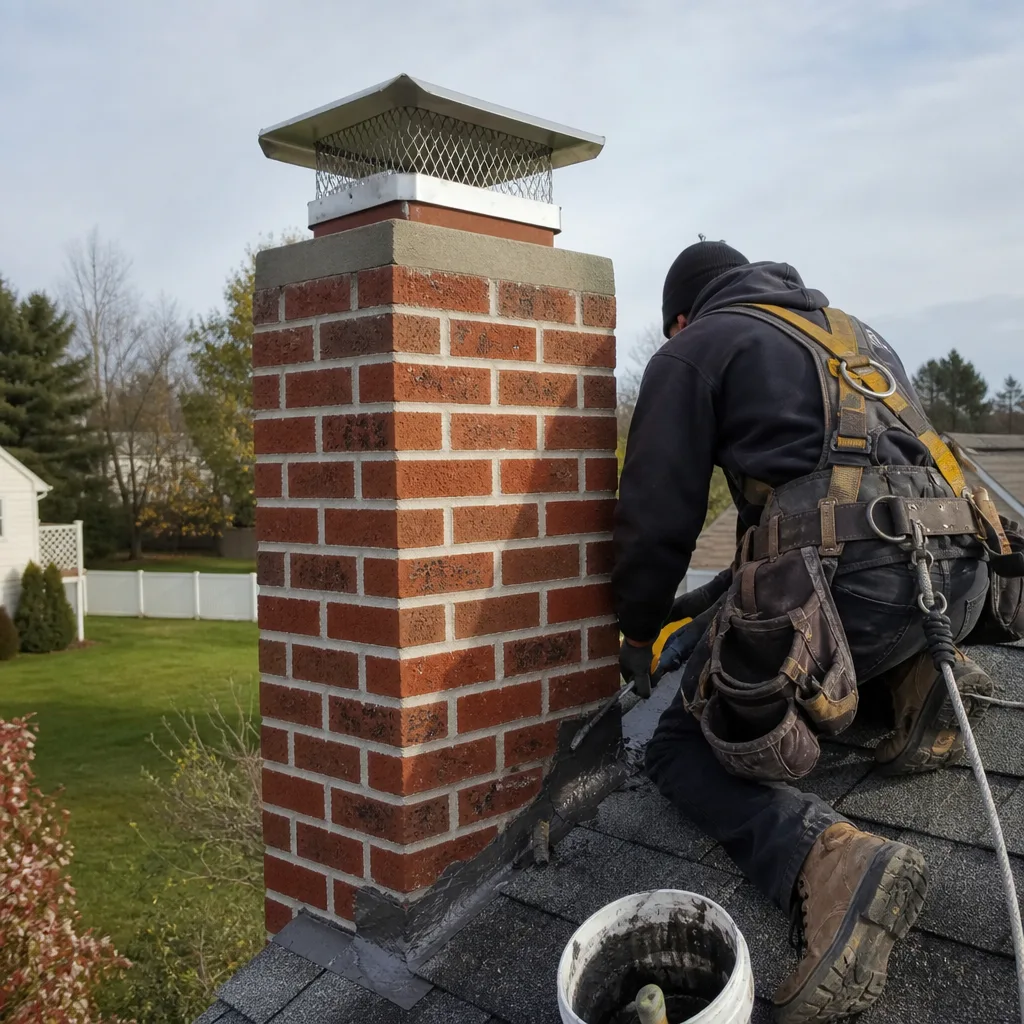 After
AfterCreosote Removal in Allentown, PA
Creosote removal in Allentown typically runs between $150 and $450 depending on how heavily the deposit has built up and how many flue sections need treatment. Most jobs are finished in a single visit, and every one starts with a camera inspection so you know exactly what you’re dealing with before any work begins.
If you use your fireplace or wood stove regularly, fireplace cleaning isn’t optional — creosote is not a question of if, it’s a question of how much. Every fire leaves behind some residue. Burn green wood, run low fires, or let a flue stay cool and damp through a Lehigh Valley winter, and that residue hardens into something that is not just dirty but genuinely dangerous. Glazed, third-degree creosote is the leading fuel source in chimney fires, and it burns at temperatures that can crack a liner, compromise mortar joints, and spread to the framing of your home.
At Hearthstone Chimney Co., Russell Haines and the team have been handling creosote removal in Allentown since 1984 — over 42 years of Lehigh Valley chimneys, winters, and everything that comes with them. We document what we find with Level 2 Inspection camera work, give you photos you can actually see, and explain the verdict in plain English before a single tool comes out. Call us at (610) 632-1394 any hour of the day — a live person will pick up.
Creosote removal is a core part of what we do under our broader Chimney Cleaning & Sweep in Allentown service, but when deposits have advanced past the first stage, a standard brushing is not enough. This page covers what to watch for, how we handle the problem, what it costs in the Allentown market, and what questions homeowners here ask us most often.
When You Need Creosote Removal
A routine chimney cleaning & sweep handles light, first-degree creosote — the dusty, flaky stuff that brushes away cleanly. Dedicated creosote removal becomes necessary when deposits have hardened, thickened, or taken on a tar-like or glazed appearance. Here are the situations we see most often in Allentown and the surrounding Lehigh Valley:
- You notice a strong, acrid or smoky smell in the house when the fireplace is not in use. Heavier creosote deposits off-gas through masonry, especially on warm or humid days. In older West End and Allentown row homes with narrow flues, this smell can migrate into living spaces surprisingly quickly.
- Your fireplace or insert has not been inspected in more than a year and you burn wood regularly. The National Fire Protection Association’s NFPA 211 standard calls for annual inspection of any solid-fuel appliance. Skipping a season lets deposits layer and harden, which makes every subsequent cleaning harder and more expensive.
- You had a chimney fire — even a small one. Creosote ignites fast and burns hot. A fire you barely noticed (a rumbling or a brief flash of visible flame from the top) can still damage a liner and leave behind a fused, glazed residue that requires chemical treatment, not just brushing. This is a situation where we strongly recommend calling a professional before using the fireplace again.
- Your sweep found second- or third-degree deposits at last inspection. Second-degree creosote looks crunchy and tar-like. Third-degree is glazed, often shiny, and chemically bonded to the liner surface. Both require more than a brush and vacuum — third-degree deposits in particular call for a rotary cleaning system or a chemical pre-treatment application before mechanical removal can work.
- You burn primarily overnight or low-temperature fires to stretch fuel. Many Allentown homeowners supplement their gas heat with a wood fireplace or insert and run slow, cool fires overnight. That’s exactly the condition that produces heavy creosote fastest — cool flue gases condense before they exit the chimney.
- You recently bought an older home in neighborhoods like Fountain Hill, Salisbury Township, or Bethlehem Township. Homes that change hands often come with chimneys that haven’t been looked at in years. We’ve opened up flues in the West End and found third-degree deposits so thick they’d narrowed the usable opening by more than half.
Our Creosote Removal Process
We don’t guess at what’s in a chimney, and we don’t brush first and ask questions later. Here is how a creosote removal appointment with Hearthstone Chimney Co. goes from start to finish:
- Pre-job setup and protection. Our uniformed, background-checked technician lays down drop cloths from the front door to the fireplace, seals the firebox opening, and connects a commercial-grade HEPA vacuum before anything else. Your floors, rugs, and furnishings stay clean. We work in homes — we act like it.
- Level-2 camera inspection. We run a video camera through the full length of the flue and document what we find with still photos you can view on the spot. This step tells us exactly which degree of creosote we’re dealing with, whether there is liner damage, and whether any blockages exist above the deposit. Skipping this step is how crews miss third-degree deposits and call a job done when it isn’t. The photos become part of your permanent record with us.
- Diagnosis and plain-English verdict. Before we remove a single pound of creosote, we explain what the camera found, what it means, and what we recommend. If the job is simple, we say so. If it requires a chemical pre-treatment or a second visit, we tell you that too — upfront, with a firm price. The number we quote is the number on the invoice.
- Mechanical removal. For first- and second-degree deposits, we use professional-grade rotary systems and steel brushes sized to your flue dimensions. For third-degree glazed creosote, we apply a chemical conversion agent — products sourced from our professional-grade supply lines — that converts the glaze into a brittle, sweepable form before mechanical cleaning begins. This is not a consumer product sprinkled in from a hardware store bag; it’s the same approach commercial-grade sweeps use in industrial applications.
- Full debris removal and containment. Everything that comes out of the flue goes into sealed bags. We vacuum the smoke chamber, firebox, and the immediate surround. When we leave, the work area looks the way it did when we arrived — minus the creosote.
- Post-removal inspection and written findings. We run the camera a second time after cleaning to confirm the flue is clear and the liner is intact. You get a written summary of what we found before and after, including photo documentation. If we spot any liner cracks or mortar deterioration that the creosote was hiding, we flag it in plain language and give you options. Everything is covered by our 90-Day Done Right Promise — in writing, no arguing, no paperwork maze.
Creosote Removal Pricing in Allentown
Creosote removal in Allentown costs more than a standard chimney sweep because the work is more involved — different tools, more time, and sometimes chemical treatment. The ranges below reflect actual job conditions we see in the Lehigh Valley market. Your exact price depends on deposit stage, flue length, and liner type.
| Situation | Typical Price Range |
|---|---|
| Light to moderate deposits (first-degree), single flue | $150 – $250 |
| Heavy second-degree deposits, single flue | $250 – $350 |
| Third-degree (glazed) creosote with chemical pre-treatment | $350 – $450+ |
| Two-flue system (e.g., fireplace + furnace) | Add $100 – $150 per additional flue |
| Post-fire inspection + creosote removal (combined) | $300 – $500+ depending on damage found |
A few things drive cost up in Allentown specifically. Many older masonry chimneys in the city — particularly the late-1800s and early-1900s construction common in the West End historic district — have irregular flue dimensions and offset sections that take longer to clean thoroughly. Homes in areas like Cedarbrook Hill or near the Lehigh Parkway sometimes have multi-story chimneys that require additional access setup.
What does not change regardless of the job: the price we quote is the price you pay. No surprises on the bill. Estimates are free, and if you have a written estimate from another company, we’ll give you a free second opinion at no cost.
We also offer a permanent 5% discount for seniors and veterans — no expiration, no annual signup. And if your creosote removal leads to a repair over $250, ask about our $50 Off Any Repair Over $250 standing offer. Call (610) 632-1394 for a free estimate — someone will answer.
What Affects How Quickly Creosote Builds Up
Allentown’s climate plays a direct role in how fast creosote accumulates. The Lehigh Valley runs cold from November through March, and homeowners here tend to use their fireplaces more intensively than those in milder climates. But the pattern that produces the worst buildup isn’t necessarily burning more — it’s burning cooler. Slow, smoldering fires, partially closed dampers, and wet or unseasoned wood all mean that flue gases cool before they exit, condensing as creosote on the liner walls.
We also see more buildup in chimneys that vent wood stoves or fireplace inserts. These appliances are more airtight and efficient than open fireplaces, which sounds like a good thing — and it is for heat output — but the lower exhaust temperatures mean more condensation in the flue. In Allentown’s row housing stock, where chimneys are often on exterior walls exposed to cold air on three sides, that condensation problem is worse than it would be for a chimney running up through the center of a house.
Flue liner condition matters too. A cracked or unlined terra cotta flue absorbs moisture and provides a rougher surface for creosote to grip. We’ve seen chimneys in South Allentown where heavy creosote was doing double duty — covering liner cracks that the homeowner would never have found without a camera. That’s another reason we inspect before we clean, not after.
Safety: Why This Is Not a DIY Project
Second- and third-degree creosote removal involves rotating tools, chemical compounds, and high-temperature residue that has adhered to a flue under heat stress. The tools needed to do it correctly — commercial rotary chains, pneumatic cleaning systems, professional chemical conversion agents — are not available in consumer stores for a reason. Beyond the equipment, working inside a flue system without camera documentation means cleaning blind. You can clear a section of flue and miss a liner crack that vents combustion gases directly into a wall cavity.
We’re not trying to talk anyone out of using a fireplace brush on a light, first-degree deposit in a short flue they can see clearly with a flashlight. But if you can see any dark, tar-like, or shiny residue, or if you’ve had any kind of chimney fire event, call a trained sweep before using the fireplace again. The risk is not worth the savings.
Russell Haines and our technicians carry the training and equipment to handle this safely and document it properly. Our home page has more information about who we are and how we work.
FAQs – Creosote Removal in Allentown
How much does creosote removal cost in Allentown, PA?
Creosote removal in Allentown typically costs between $150 and $450 for a single flue, depending on which stage of creosote is present. First-degree deposits that brush away cleanly run $150 to $250. Third-degree glazed creosote requiring chemical pre-treatment runs $350 to $450 or more. We provide a firm written price before work starts — the estimate is free. Call (610) 632-1394 and we can often give you a ballpark over the phone based on your appliance type and last sweep date.
Can creosote removal be done in one visit?
Most creosote removal jobs in Allentown are completed in a single visit. First- and second-degree deposits are removed mechanically the same day as the inspection. Third-degree glazed creosote sometimes requires a chemical conversion agent to be applied and given time to work, which may mean a follow-up visit — we’ll tell you upfront if that’s the case. Our technicians are equipped to handle most situations in one appointment, and upfront pricing means no surprises either way.
How do I know if I have first, second, or third-degree creosote?
You can get a rough idea by looking into the firebox with a flashlight and a mirror, but the definitive answer requires a camera inspection. First-degree creosote is dusty and gray or black — it falls off at a touch. Second-degree looks harder, flaky, and tar-like, sometimes with a crunchy texture. Third-degree is the most serious: a shiny, glazed, hard coating that looks almost lacquered on the liner surface. If you see anything other than dusty residue, have a sweep assess it before you burn again. We’ll run the camera and show you exactly what’s there.
Is it cheaper to do a regular sweep or wait until creosote builds up and do a full removal?
Annual sweeping with a Level 1 Inspection is almost always cheaper over time. A standard chimney cleaning at routine maintenance rates keeps deposits at the first-degree stage where mechanical cleaning is straightforward. Letting two or three seasons pass without service allows deposits to harden into second- or third-degree creosote, which costs significantly more to remove and sometimes reveals liner damage underneath that costs more still. The $50 to $100 difference between annual cleaning and skipping a year can easily turn into a $350 to $450 removal job — or a liner repair on top of that. We’ve seen this play out enough times in Allentown that we say it plainly: the sweep pays for itself.
Ready to Schedule Creosote Removal in Allentown?
If your fireplace has a smell, a history of slow fires, or hasn’t been inspected in more than a year, the time to schedule is before you light the next fire — not after. Hearthstone Chimney Co. has been doing this work in Allentown and across the Lehigh Valley since 1984. Russell Haines leads a team of background-checked, uniformed technicians who show up when we say, document what they find, and stand behind every job with the 90-Day Done Right Promise in writing.
Call (610) 632-1394 to schedule a free estimate or ask any question about your chimney. A live person answers every call, around the clock. We’ll give you a plain-English answer and a firm price — no pressure, no surprises.
Written by Russell Haines, Owner at Hearthstone Chimney Co., serving Allentown.