
Level 1 sweep and inspection to the NFPA 211 annual standard - flue, crown, cap, and flashing checked and photographed
Chimney sweep logs do not sweep chimneys. They loosen some creosote - which then falls where a brush and vacuum still have to collect it.
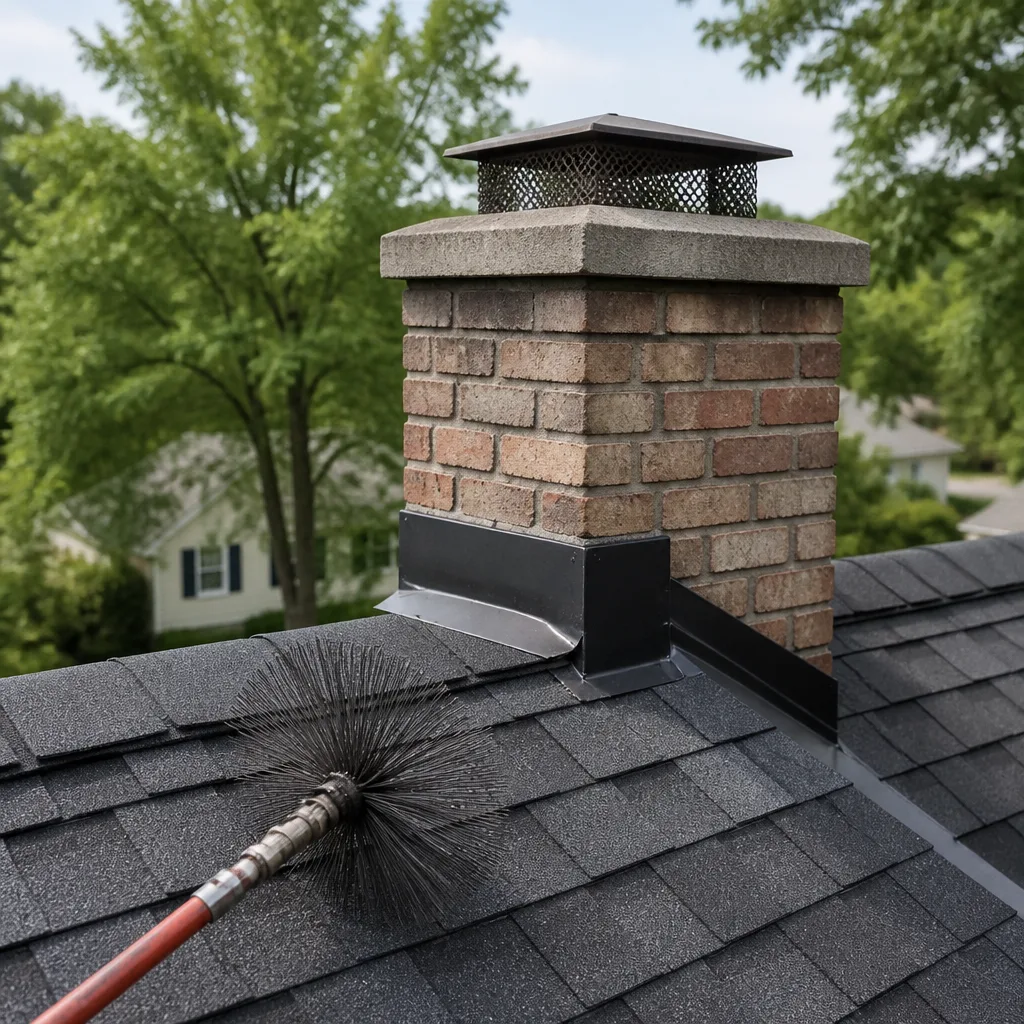
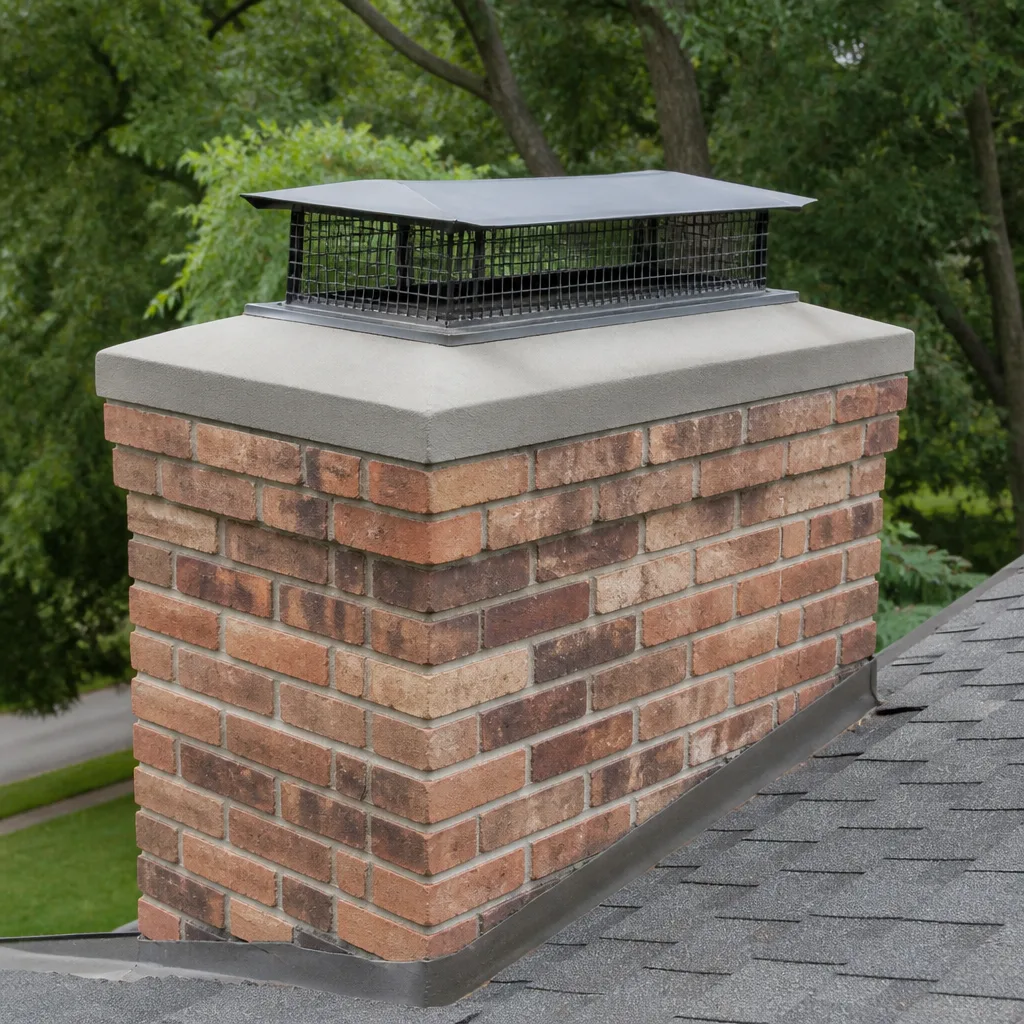
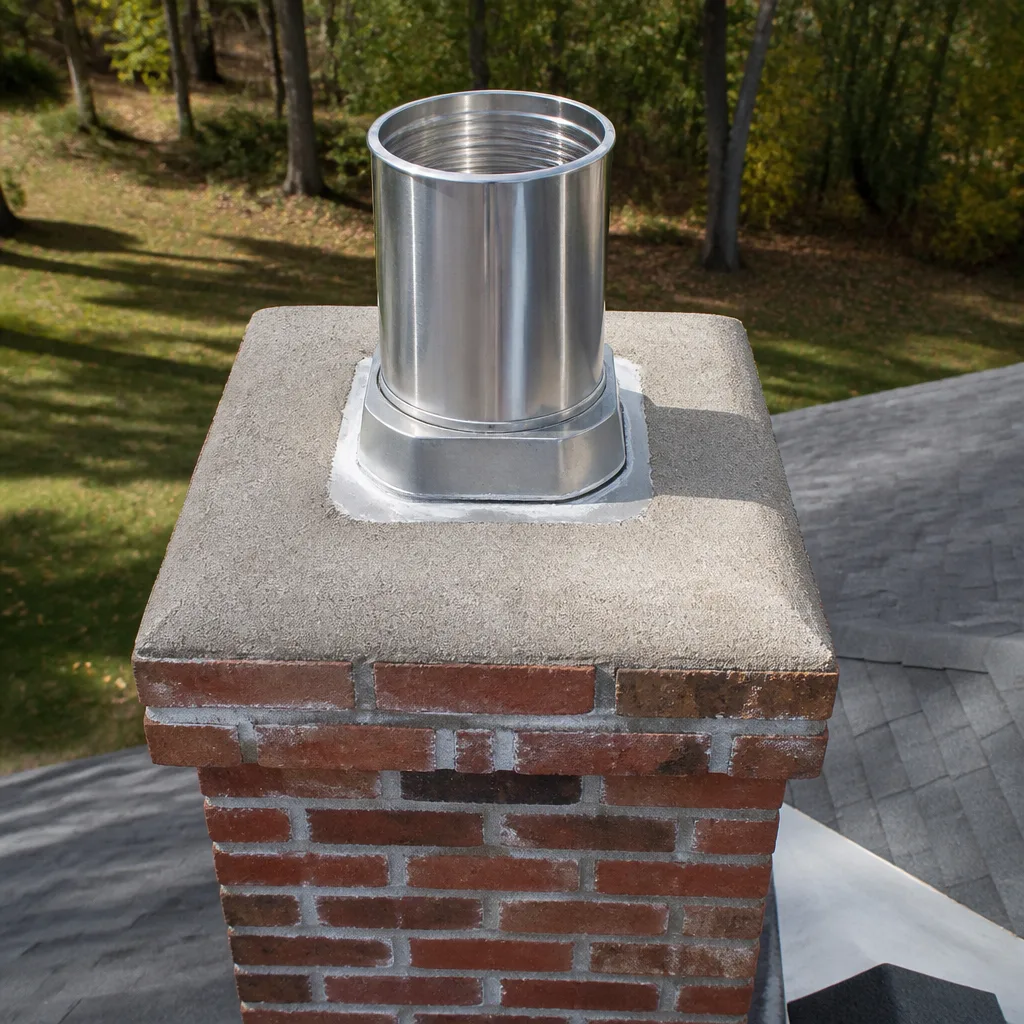
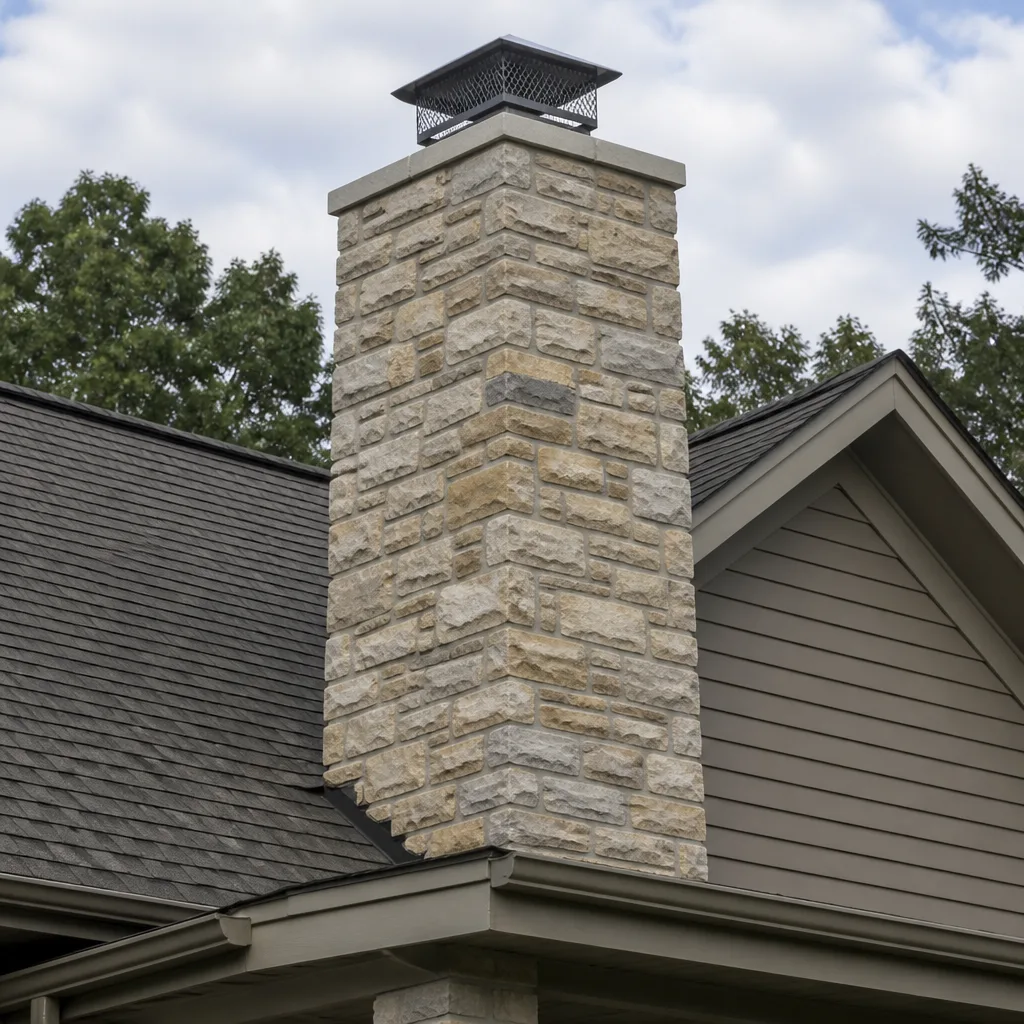
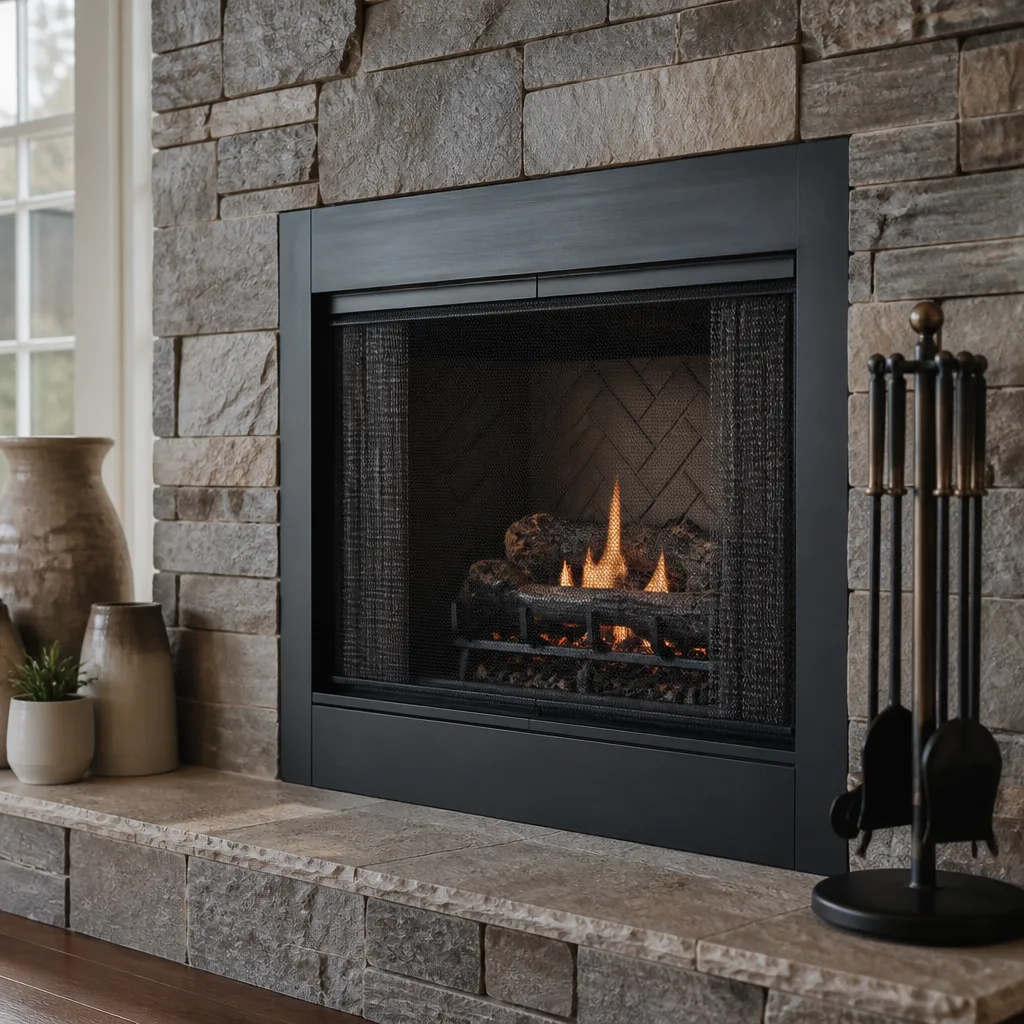
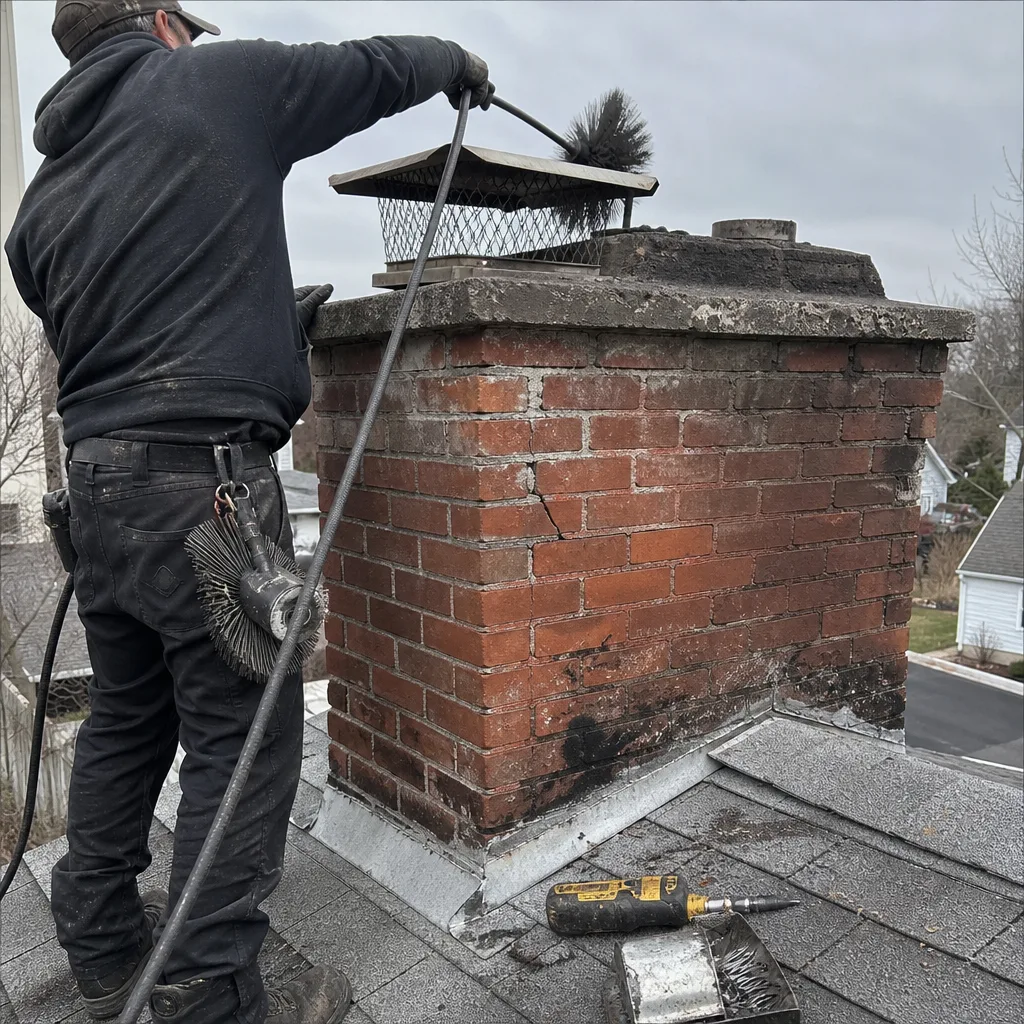 Before
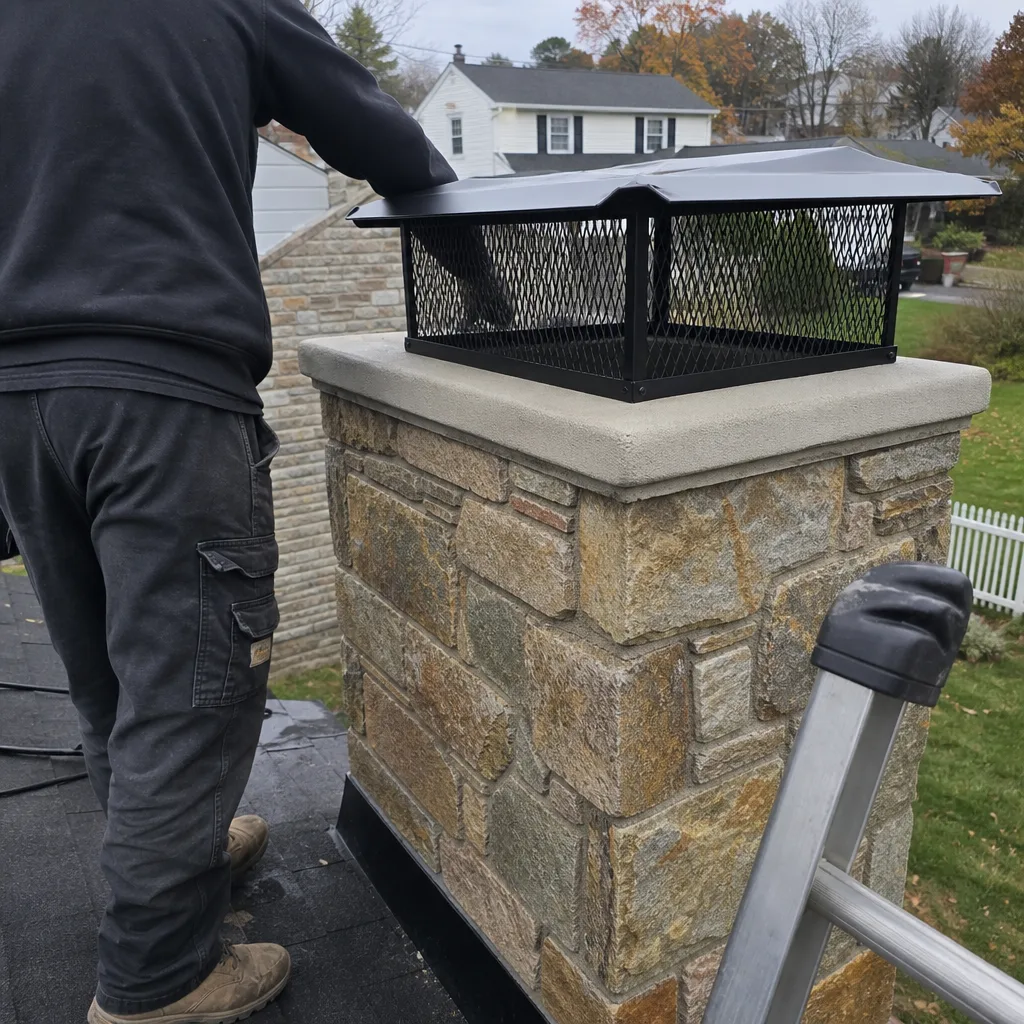 After
After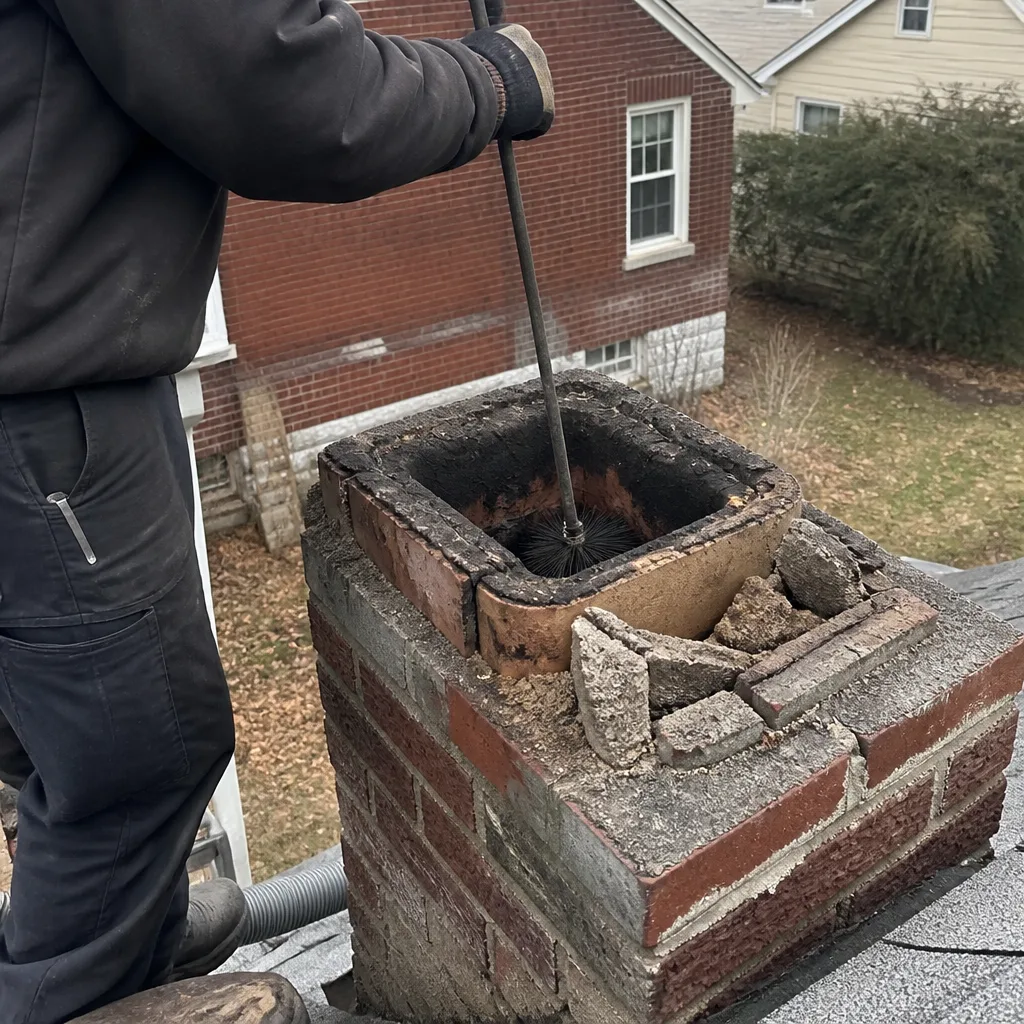 Before
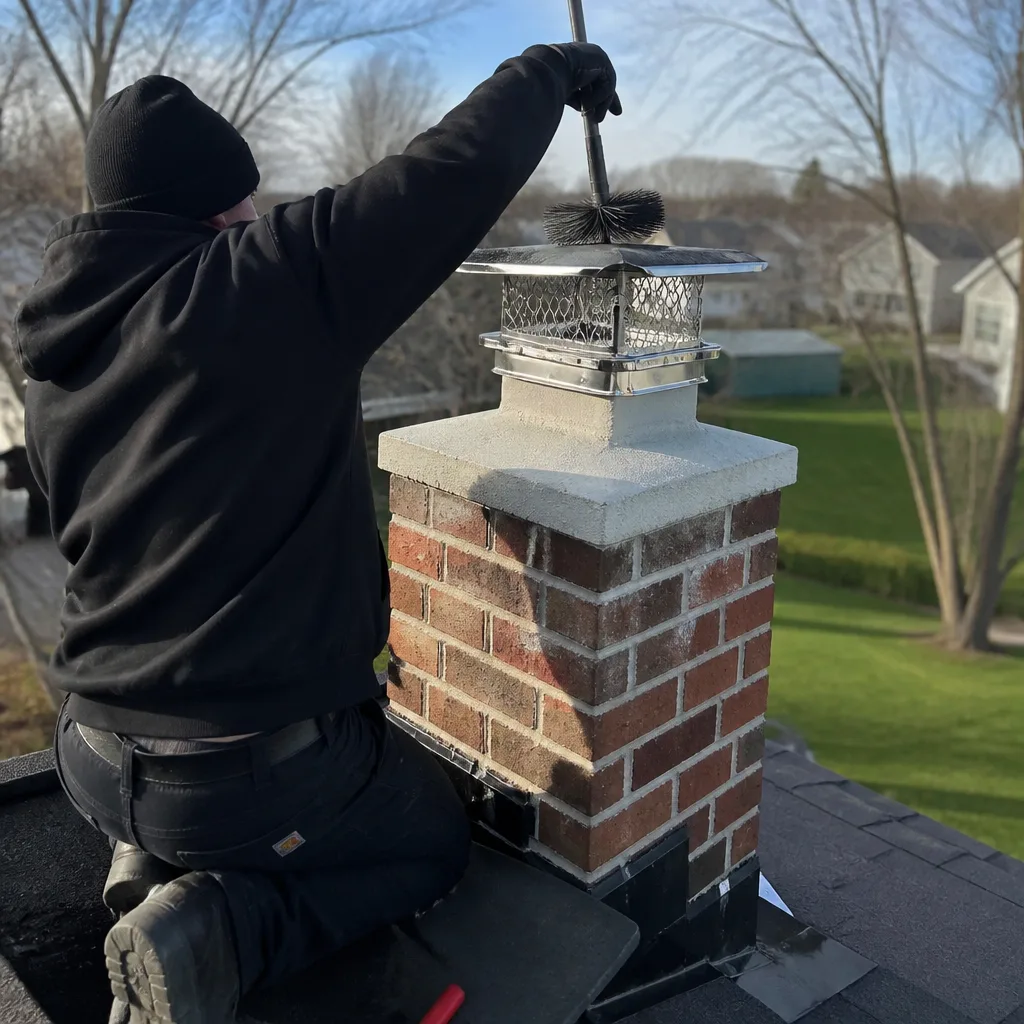 After
After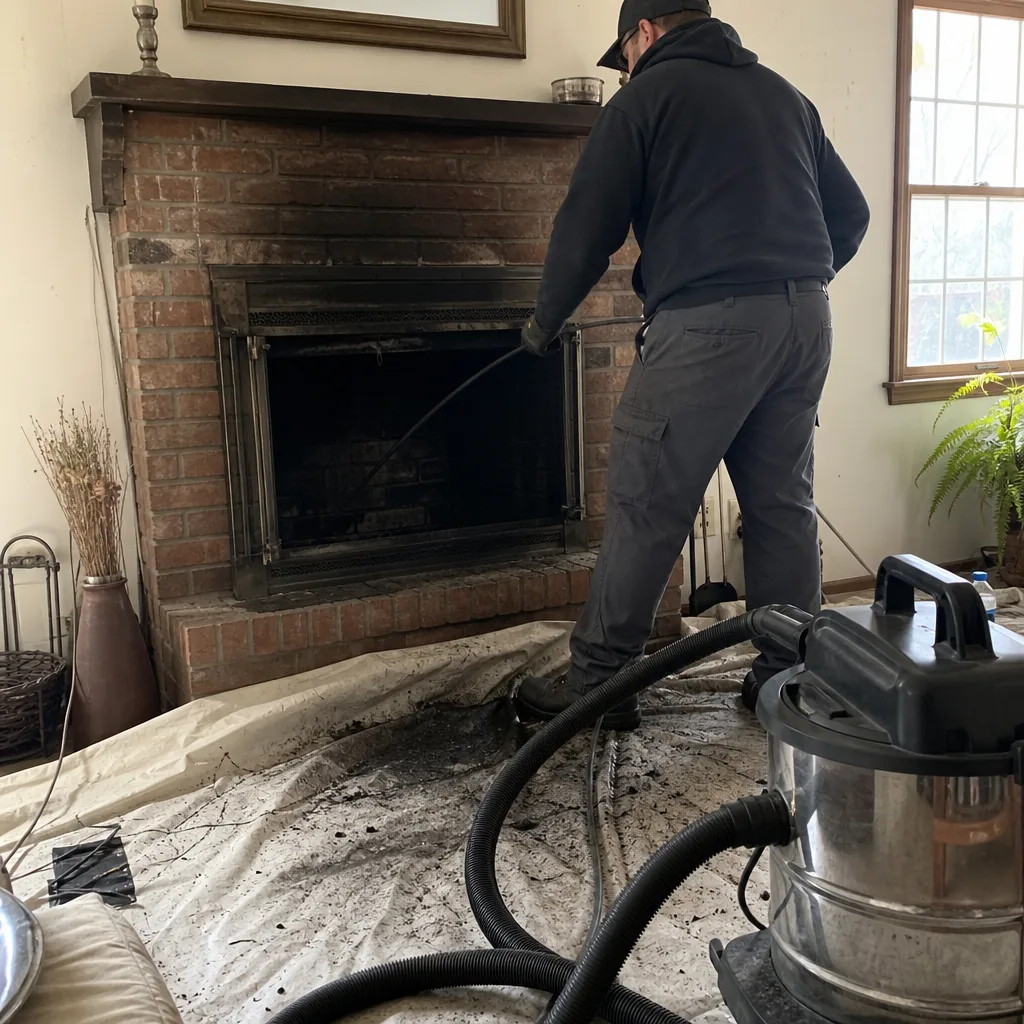 Before
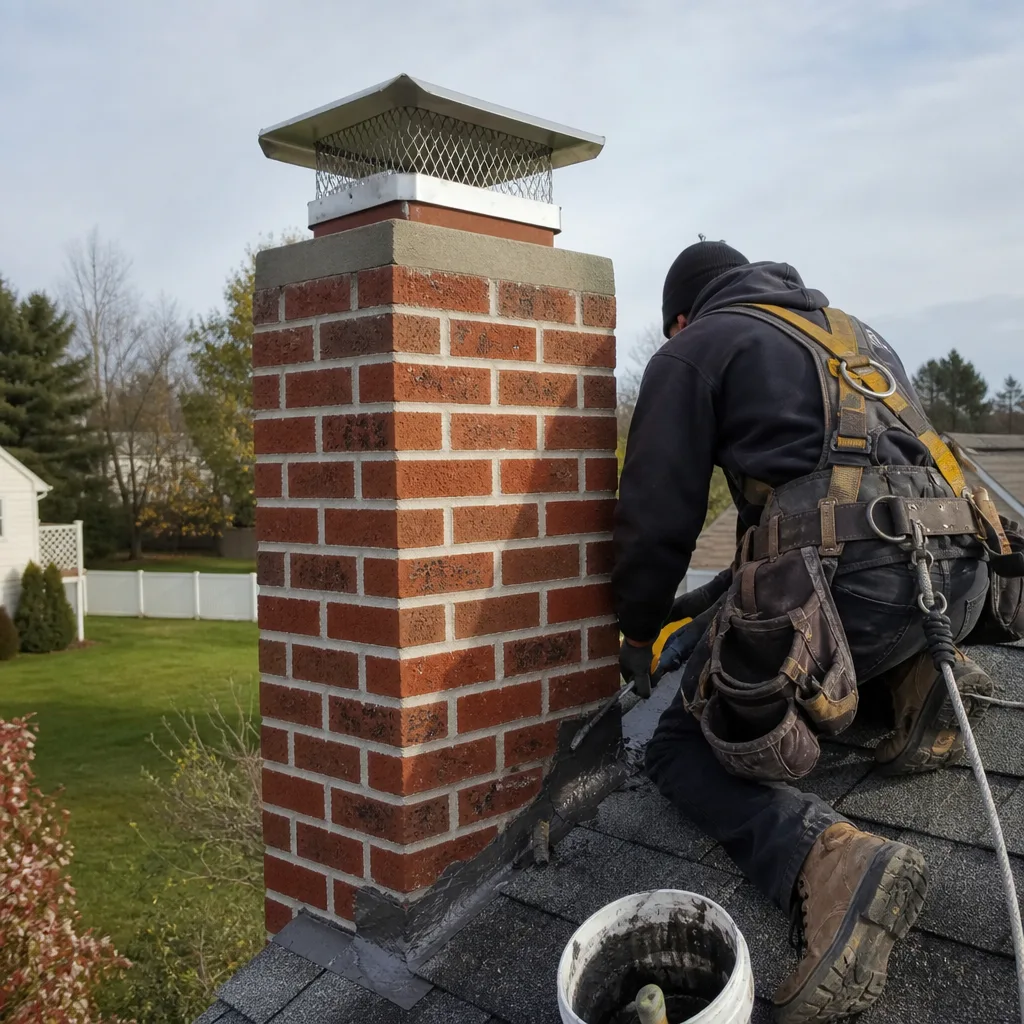 After
AfterSoot Removal in Allentown, PA
Soot removal in Allentown typically runs between $149 and $349, depending on how much buildup is present and how accessible your flue is. Most jobs are finished in a single visit, and we document the before-and-after with photos so you can see exactly what was done. If your fireplace smells smoky, leaves dark streaks on the firebox walls, or hasn’t been swept in more than a year, it’s time to schedule Chimney Cleaning & Sweep services to have the soot cleared out properly.
Soot is the soft, powdery byproduct of incomplete combustion. It coats the inside of your flue liner, your smoke shelf, and your firebox walls. Left alone, it traps moisture, accelerates liner deterioration, and – at high enough concentrations – becomes a fuel source if a chimney fire starts. It’s a different animal from creosote, which is oily and hardened, but soot creates its own set of problems and should be removed on a regular schedule.
At Hearthstone Chimney Co., Russell Haines and our crew have been clearing soot from Allentown chimneys since 1984 – over 42 years of working in the Lehigh Valley’s older homes, where fireplaces ran hard all winter and where the flues sometimes haven’t seen a professional sweep in a decade or more. Our Chimney Cleaning & Sweep in Allentown service covers the full picture, and soot removal is where most of those cleanings begin. If you’d rather talk it through before scheduling, call us at (610) 632-1394 – a live person picks up every time, around the clock.
When You Need Soot Removal
Some signs are obvious. Others sneak up on homeowners who use their fireplace every winter but figure “it looked fine last time.” These are the situations that typically bring Allentown homeowners to the phone:
- A persistent smoky smell in the house, even when no fire is burning. In Allentown’s older West End and Southside row homes, this odor often intensifies in summer when warm air draws flue gases down into the living space. Heavy soot deposits are a common cause.
- Black or gray staining on the firebox walls or above the fireplace opening. Some surface staining is normal after regular use, but thick, spreading deposits or staining that migrates onto the facing stone or brick suggests the soot load inside the flue is significant.
- More than one heating season without a professional cleaning. The National Fire Protection Association’s standard (NFPA 211) recommends annual inspection and cleaning for any chimney in regular use – a rule that matters even more in Allentown, where wood-burning season runs from late October through March.
- Reduced draft or a fireplace that smokes back into the room. A thick soot coating narrows the effective diameter of the flue, which restricts airflow. If your fire struggles to draw or smoke rolls back into the living room, soot buildup is one of the first things to rule out.
- You’ve just moved into a home and don’t know the maintenance history. This is especially common in Allentown’s Hamilton Park and Cedar Beach neighborhoods, where mid-century and early-twentieth-century homes change hands with chimneys that haven’t been documented in years.
- After a chimney fire or a heating season with unusually wet wood. Green or unseasoned firewood produces far more soot than properly dried hardwood. If you burned wet wood last winter, the inside of your flue likely shows it.
Our Soot Removal Process
We don’t treat soot removal as a quick brush-and-leave job. The steps below reflect how we actually work – methodically, with documentation at each stage, so you know what was found and what was done.
- Protection first, before anything else comes off the truck. We lay drop cloths across your hearth and the surrounding floor, seal the fireplace opening with a dust-containment panel connected to a HEPA-filtered vacuum, and put on shoe covers before stepping inside. Your living room should look exactly the same when we leave as it did when we arrived.
- Initial inspection of the firebox and accessible flue. Before we sweep a single stroke, we assess what’s in front of us. We look at the condition of the firebox walls, the damper, the smoke shelf, and the first few feet of the liner. This tells us how heavy the soot load is, whether there’s creosote mixed in, and whether anything structural needs attention before the cleaning proceeds.
- Top-down chimney brushing with rotary equipment sized to your flue. We work from the crown down, using brushes matched to your liner diameter – whether that’s a terra cotta tile liner, a Olympia Chimney stainless liner, or an older unlined masonry flue. The HEPA vacuum at the firebox end captures dislodged soot as it falls, pulling it out of the air rather than letting it drift into the room.
- Smoke shelf and firebox cleaning. The smoke shelf – the horizontal ledge just above the damper – collects more debris than almost any other part of the system. We hand-clean this area separately because a brush run from the top doesn’t reach it effectively. Accumulated soot on the smoke shelf is a common source of that musty, smoky odor Allentown homeowners notice in humid weather.
- Level-2 camera inspection of the full flue length. After the cleaning, we run a camera from the firebox to the crown and capture still images of the liner condition, the mortar joints, and the flue cap. You see the same photos we see – no guesswork, no taking our word for it. If there’s a crack, a gap, or a section of liner that needs attention, it’s documented in plain language before we discuss next steps.
- Written report and plain-English verdict. Every soot removal visit ends with a written summary: what we found, what we cleaned, what condition the system is in, and whether anything needs repair. This is our standard – not a hard sell, just a straight account of the chimney’s condition that you can keep on file or share with a home inspector.
Soot Removal Pricing in Allentown
Soot removal in Allentown typically costs between $149 and $349 for a standard single-flue fireplace. That range reflects real variation based on conditions we find when we arrive – not a bait-and-switch. The number on the estimate is the number on the invoice. No surprises.
| Scope of Work | Typical Price Range |
|---|---|
| Light soot removal, single flue (less than 1 heating season of buildup) | $149 – $199 |
| Moderate soot removal, single flue (1-2 heating seasons, some debris on smoke shelf) | $199 – $275 |
| Heavy soot removal with Level-2 camera inspection included | $275 – $349 |
| Second flue (wood stove insert or additional fireplace, same visit) | Add $89 – $129 |
| Smoke shelf hand-cleaning (billed separately when access is restricted) | $45 – $75 |
What moves the price inside those ranges:
- Flue height. Allentown has a fair number of three-story row houses and Victorian-era homes in the Midtown Arts District whose chimneys run 30 to 40 feet from firebox to crown. More height means more liner surface, more time, and more equipment.
- Soot depth and composition. Pure soot brushes out relatively quickly. When soot is mixed with stage-one creosote – which happens when wood smolders at low temperatures over a long season – the job takes longer and may call for additional treatment.
- Access conditions. A chimney on a steeply pitched roofline in the West End or a rear-yard chimney on a narrow Southside lot adds complexity. We price access conditions into the upfront estimate so there’s no revision once we’re on the roof.
- Whether a camera inspection is included. Our Level-2 camera inspection is built into heavy-buildup jobs automatically. For lighter cleanings, you can add it for full documentation – and we’ll tell you honestly whether we think it’s warranted.
Current standing offers: $50 off any repair over $250, and a permanent 5% discount for seniors and veterans. If you’ve received a written estimate from another company, we’ll give you a free second opinion before you commit.
Call (610) 632-1394 to get a free estimate. We’ll give you a number over the phone based on what you describe, and our technician will confirm it when they arrive – before any work begins.
Why Allentown Chimneys Accumulate Soot Faster Than You’d Expect
Allentown sits in the Lehigh Valley at roughly 350 feet elevation, and its winters are genuinely cold – average January lows in the low 20s Fahrenheit, with heating season stretching from mid-October through late March in most years. Homeowners here burn wood for long periods, often at lower-heat “overnight” settings that produce more incomplete combustion and therefore more soot than a hot, well-fed fire would.
The city also has a large stock of pre-1950 housing – row homes in Southside, craftsman bungalows in Cedar Beach, Victorian-era doubles in the East Side – where original terra cotta tile liners are still in service. Those older liners have narrower effective diameters once a season or two of soot coats the walls, and they’re more likely to have hairline cracks that let moisture work in and lock soot deposits in place. We see it regularly: a homeowner in Fountain Hill calls about a draft problem, and the flue camera shows three or four years of soot that narrowed a 12-inch liner down to an effective opening closer to nine inches.
Point being: Annual Sweep cleaning isn’t just a general recommendation in Allentown. Given the climate, the housing stock, and the length of the burning season, it’s the schedule that actually keeps the system clean and the liner intact year over year.
Soot vs. Creosote: Why the Difference Matters
Soot and creosote are both combustion byproducts, but they behave differently and require different approaches. Soot is soft and powdery – it brushes out cleanly with standard chimney sweeping equipment. Creosote progresses through three stages: a light, flaky stage that’s still relatively easy to remove; a tar-like stage-two form that requires chemical treatment before brushing; and a stage-three glaze that can only be removed mechanically or chemically with professional rotary systems.
When our technicians complete the initial inspection step before cleaning, one of the things they’re determining is exactly which of those materials are present and in what proportion. A chimney that looks like it just needs a standard soot cleaning sometimes has stage-two creosote mixed in behind the surface layer. Catching that before the job starts means we bring the right tools and quote the right price – rather than discovering it partway through and having to revise the estimate on the spot.
For jobs that involve significant creosote alongside soot, we may use a preparatory chemical treatment – applied on a prior visit or at the start of the same visit – before brushing. The products we use come from brands we trust for this work, including materials sourced through Copperfield’s professional supply catalog, which carries the same product lines most certified sweeps rely on nationally.
The 90-Day Done Right Promise
Every soot removal job at Hearthstone Chimney Co. is covered by the 90-Day Done Right Promise. If the work isn’t right – if there’s soot we missed, a draft problem that persists, or anything else that falls within what we quoted and cleaned – we come back and make it right. In writing, no arguing, no paperwork maze. That’s what it means to stand behind a job.
This matters more than it might sound. A lot of homeowners in Allentown have hired a sweep before – sometimes a price-cutting outfit, sometimes a one-person operation that did fine work but has since moved on – and found out after the fact that follow-up was difficult or impossible. We’ve been answering this same phone number for over 42 years. We’re not going anywhere.
Key Takeaways
- Soot removal in Allentown runs $149 to $349 for a single flue, depending on buildup and flue height.
- Annual cleaning is the right schedule for most Allentown homes given the length of the burning season and the age of the housing stock.
- Our process ends with Level-2 camera photos and a plain-English written report – not a verbal summary you’ll forget by the time we pull out of the driveway.
- Every job is covered by the 90-Day Done Right Promise, in writing.
- A live person answers at (610) 632-1394) every hour of every day – no voicemail, no callback queue.
- Seniors and veterans receive a permanent 5% discount. We also offer $50 off any repair over $250, and a free second opinion on any written estimate from another company.
FAQs – Soot Removal
How often should soot be removed from a chimney in Allentown?
Soot should be removed at least once per year for any fireplace in regular use – and in Allentown’s climate, where the burning season runs roughly five to six months, “regular use” is the norm rather than the exception. NFPA 211 recommends annual inspection and cleaning as the baseline standard. If you burned unseasoned wood last season, or if the fireplace got heavy use during a particularly cold stretch like the winters we saw in the Lehigh Valley in recent years, twice-yearly cleaning may be worth the cost. Call (610) 632-1394 and we’ll give you an honest read on your situation before you schedule anything.
Is soot removal the same thing as a chimney sweep?
Soot removal is the central task of a chimney sweep, but a professional cleaning covers more than the soot layer. A thorough sweep also clears debris from the smoke shelf, inspects the damper and firebox walls, and – when we’re doing the job – includes a Level-2 camera inspection of the full flue liner. Soot removal on its own means clearing the soft, powdery combustion deposits from the flue surfaces. If your chimney also has creosote buildup, that requires additional steps beyond standard soot brushing. Our Chimney Cleaning & Sweep in Allentown page covers the full scope of what a professional cleaning involves.
Can soot cause a chimney fire?
Soot itself is less combustible than stage-two or stage-three creosote, but it’s not inert. At high enough concentrations, fine soot particles can ignite – and in many Allentown chimneys, soot buildup occurs alongside at least some creosote, which carries a much higher fire risk. The more straightforward danger soot poses is structural: it traps moisture against the liner, accelerates mortar deterioration in older tile flues, and narrows the effective flue diameter in ways that affect draft and combustion efficiency. Neither soot nor creosote belongs inside an active chimney in significant amounts. If you haven’t had the flue cleaned in more than a year, call (610) 632-1394 and we’ll assess the condition before the burning season starts.
How much does soot removal cost in Allentown, and what affects the price?
How Much Does Chimney Cleaning & Sweep Cost? (2026 Price Guide) - Allentown, PA: soot removal in Allentown typically runs $149 to $349 for a single flue. The main factors that move the price within that range are the height of the chimney (Allentown’s older three-story homes have longer flues), the depth and composition of the buildup, whether creosote is mixed in alongside the soot, and access conditions on the roof. Our estimate is the number on the invoice – we don’t revise it after we’ve started the job. Call (610) 632-1394 for a free estimate; we can give you a working range over the phone and confirm it on-site before any work begins.
Schedule Your Soot Removal in Allentown
If your chimney is overdue for cleaning, or if you’re not sure when it was last swept, search Chimney Cleaning & Sweep Near Me in Allentown, PA and give us a straightforward phone call. Russell Haines and the Hearthstone Chimney Co. crew have been doing this work in Allentown and across the Lehigh Valley since 1984. We’ll tell you honestly what we find, put the scope and price in writing before we start, and back the work for 90 days. No pressure, no surprises.
Call (610) 632-1394 for a free estimate. Someone answers every call, every hour. If you’d prefer to start with a look at everything we cover, visit our home page for the full picture.
Written by Russell Haines, Owner at Hearthstone Chimney Co., serving Allentown since 1984.