
Last updated September 10, 2026
Level 1 sweep and inspection to the NFPA 211 annual standard - flue, crown, cap, and flashing checked and photographed
Chimney sweep logs do not sweep chimneys. They loosen some creosote - which then falls where a brush and vacuum still have to collect it.
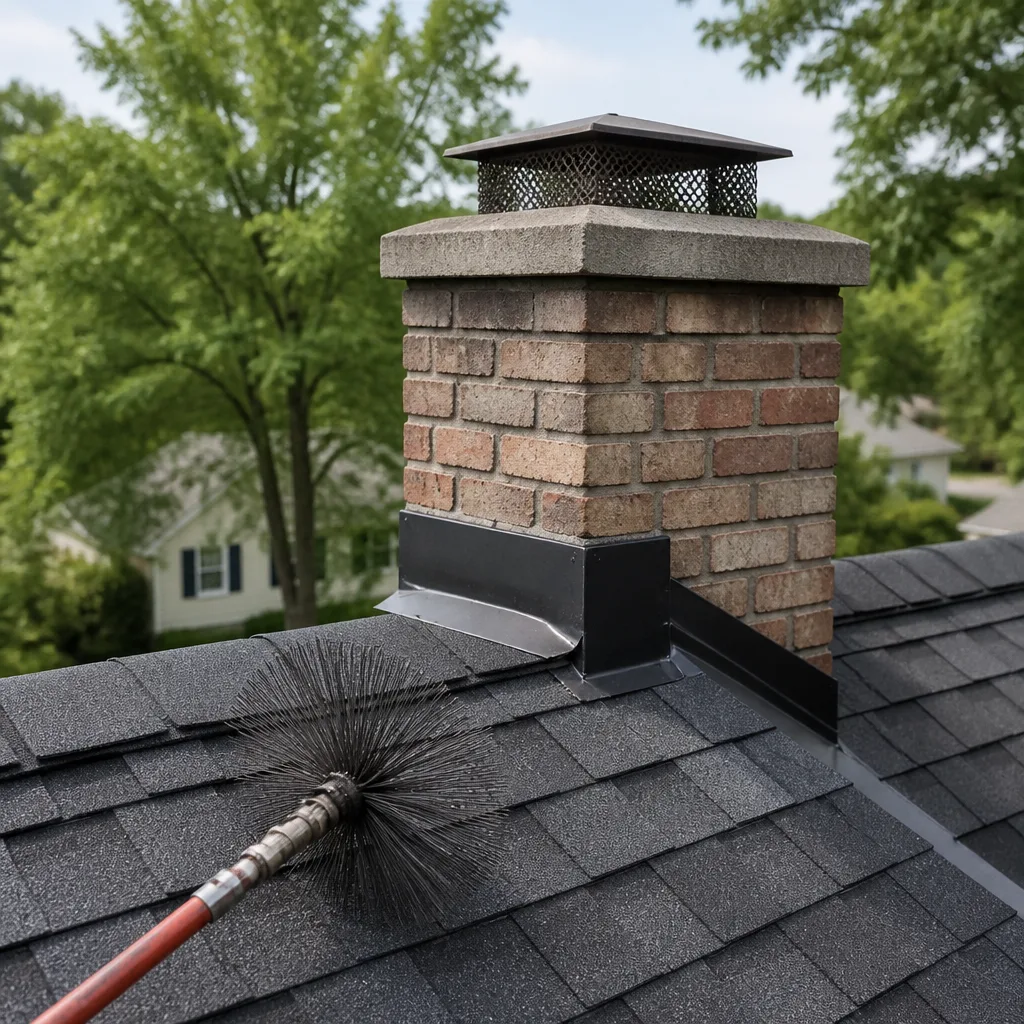
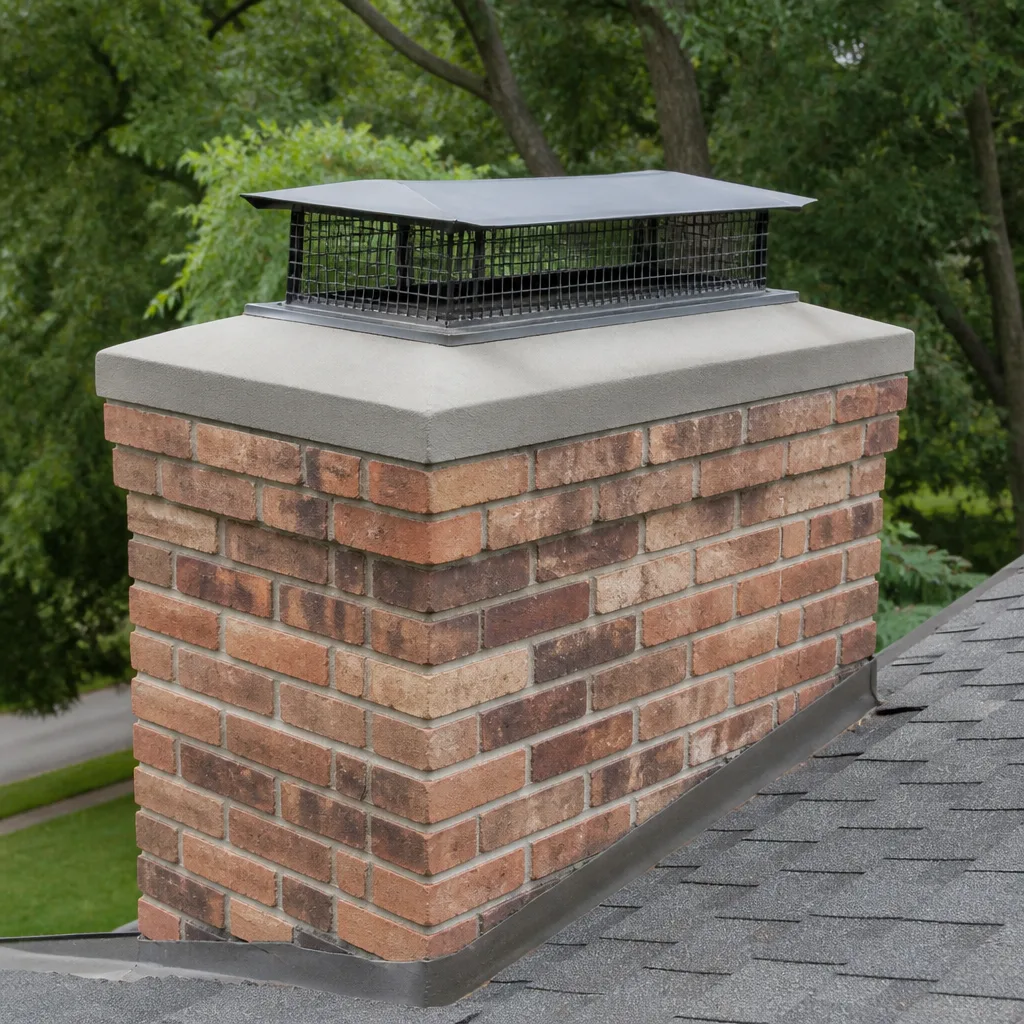
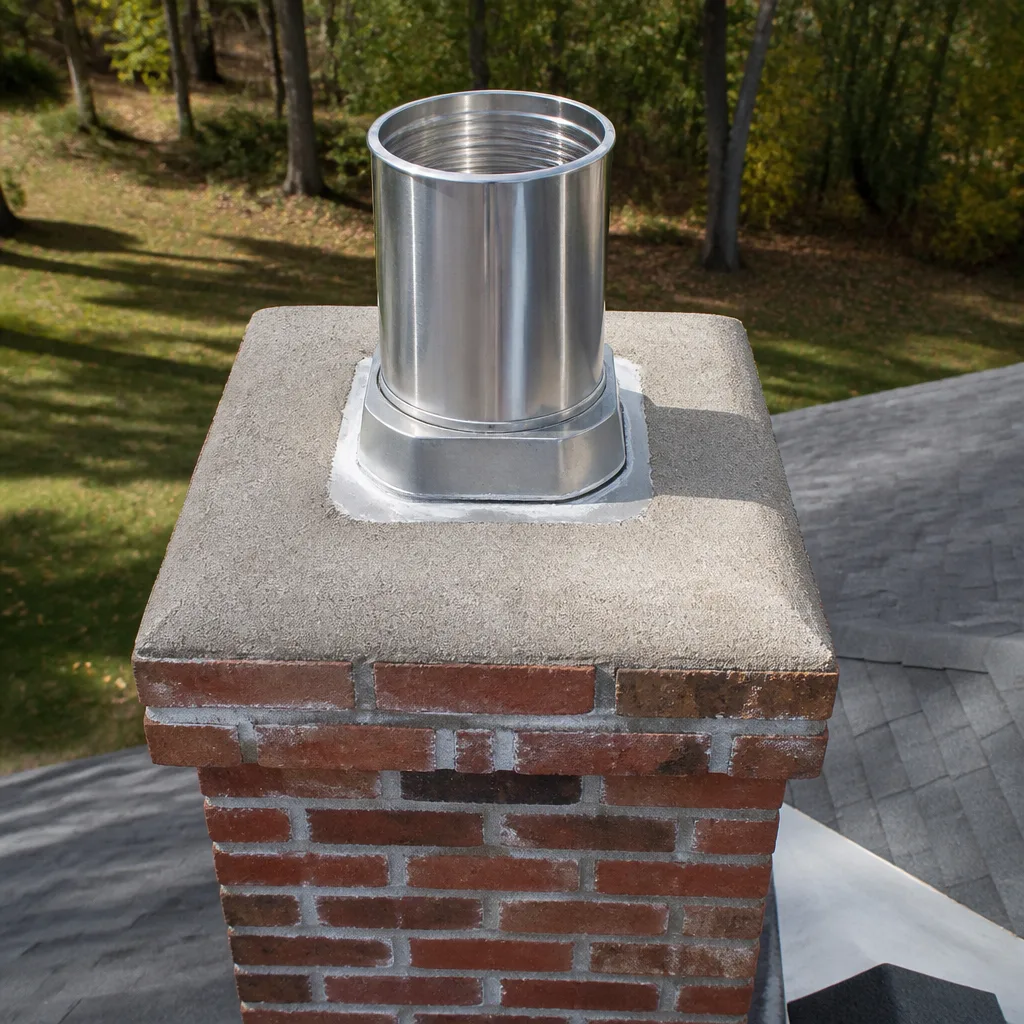
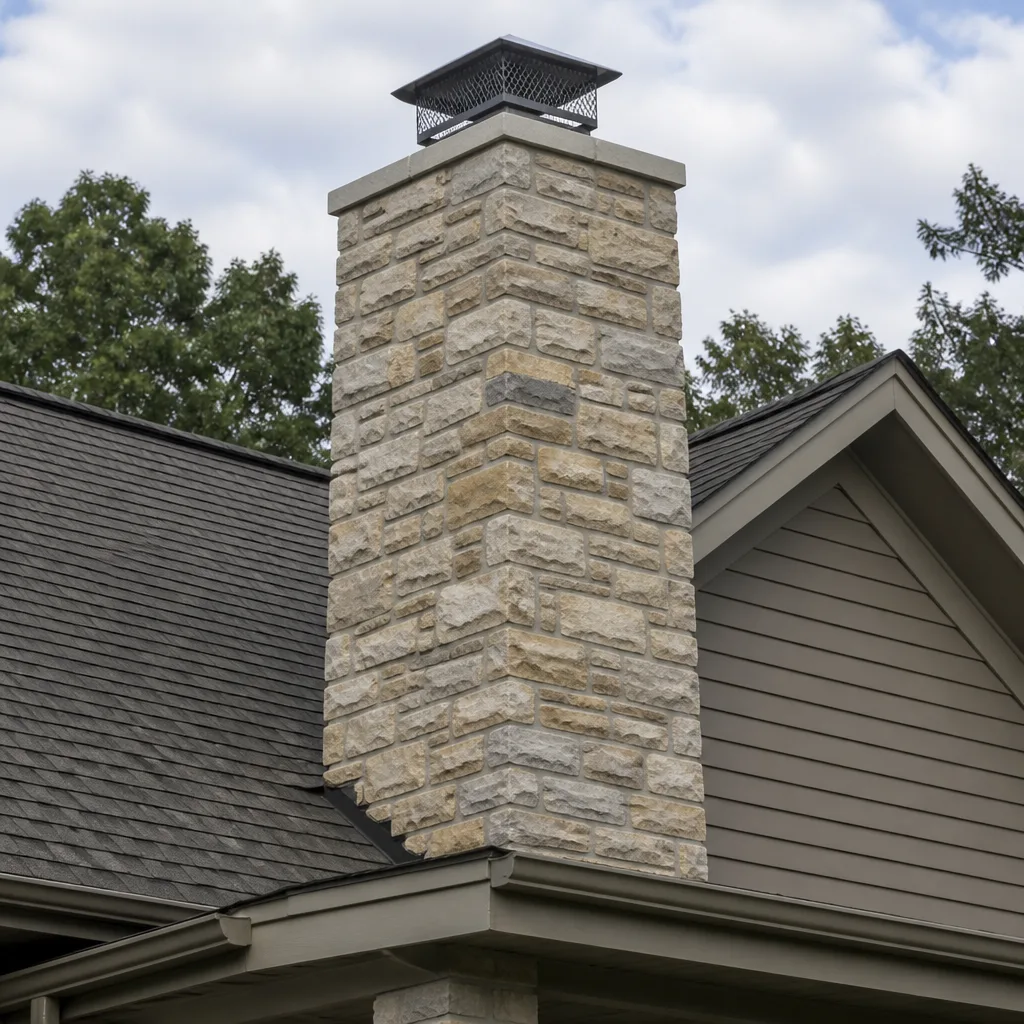
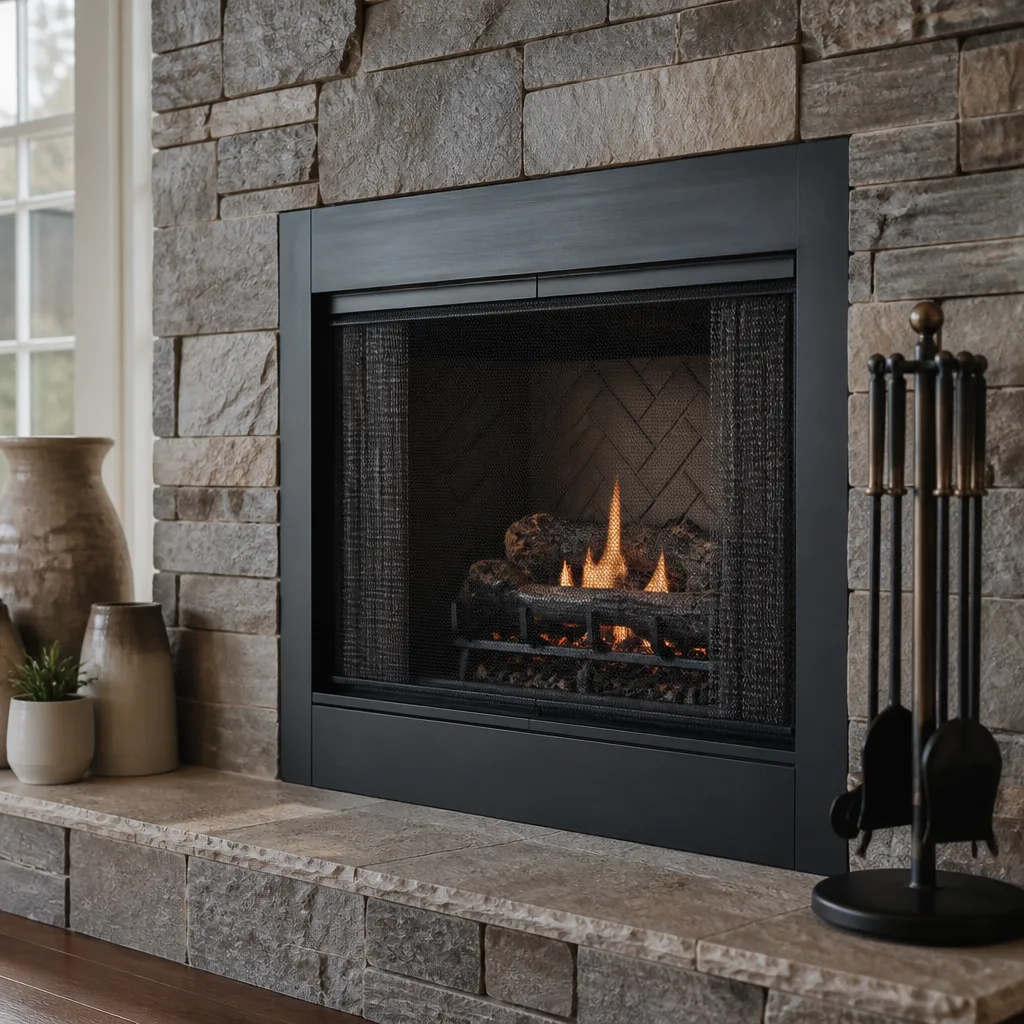
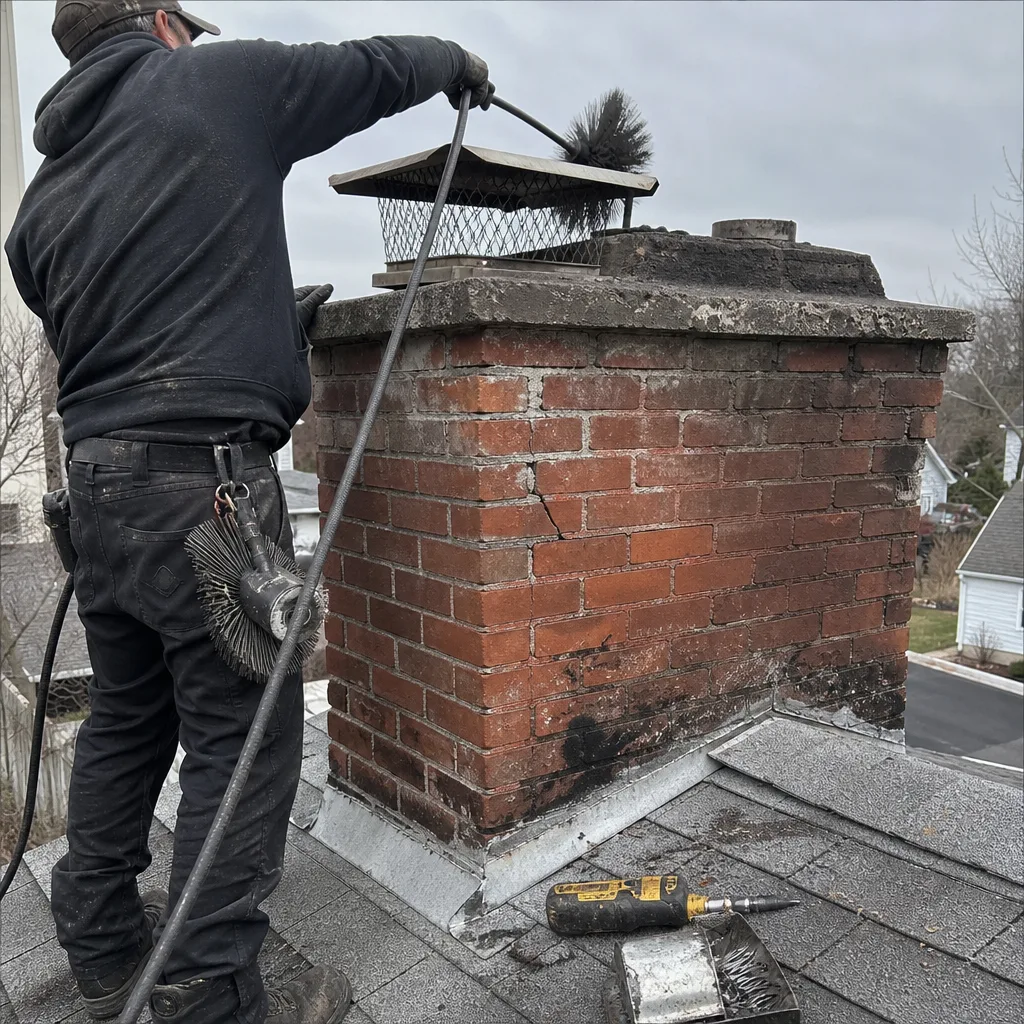 Before
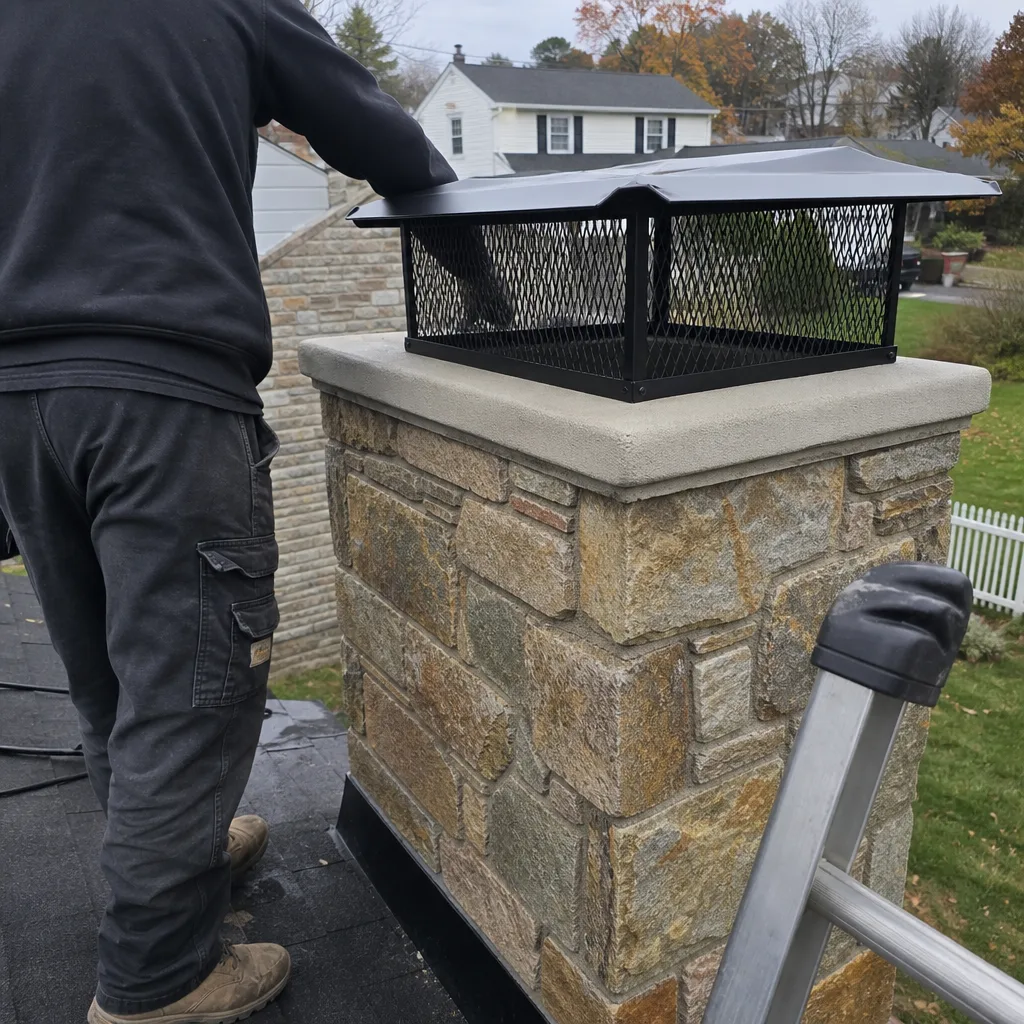 After
After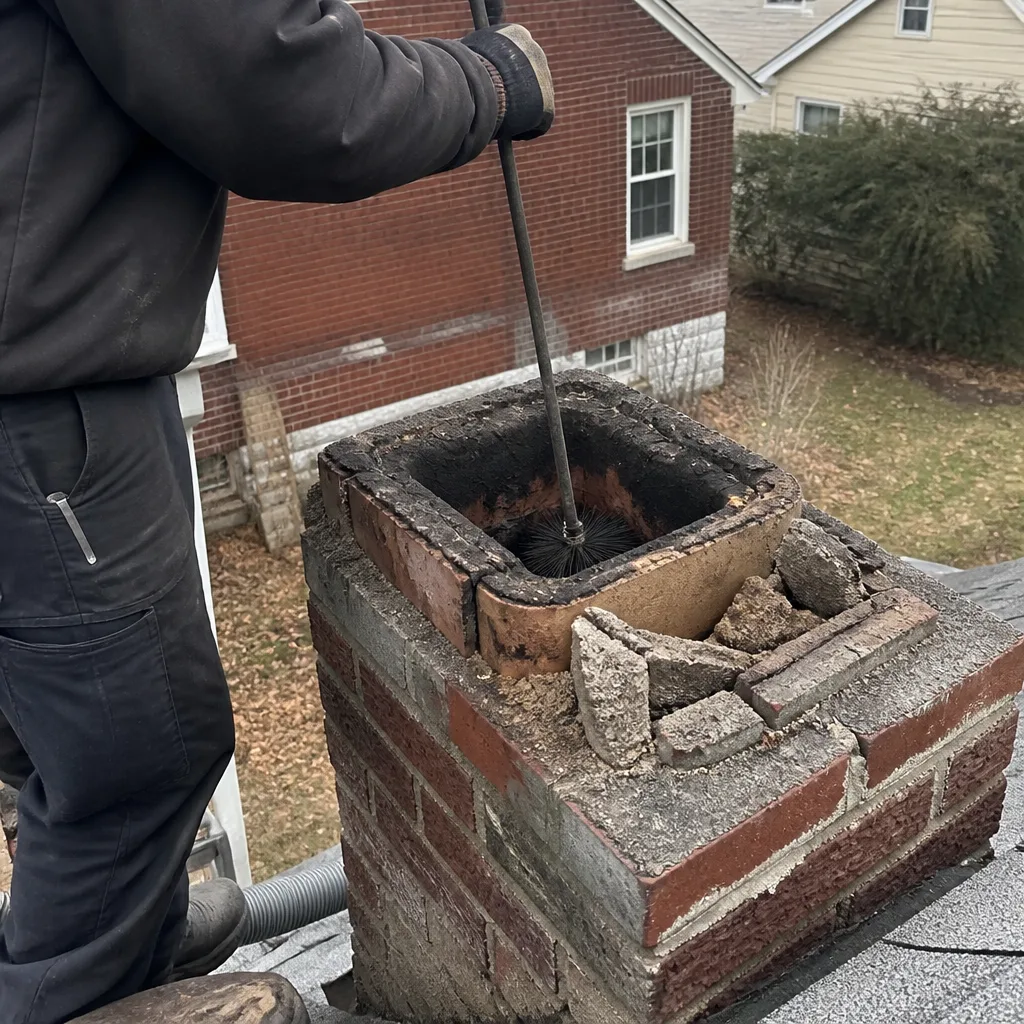 Before
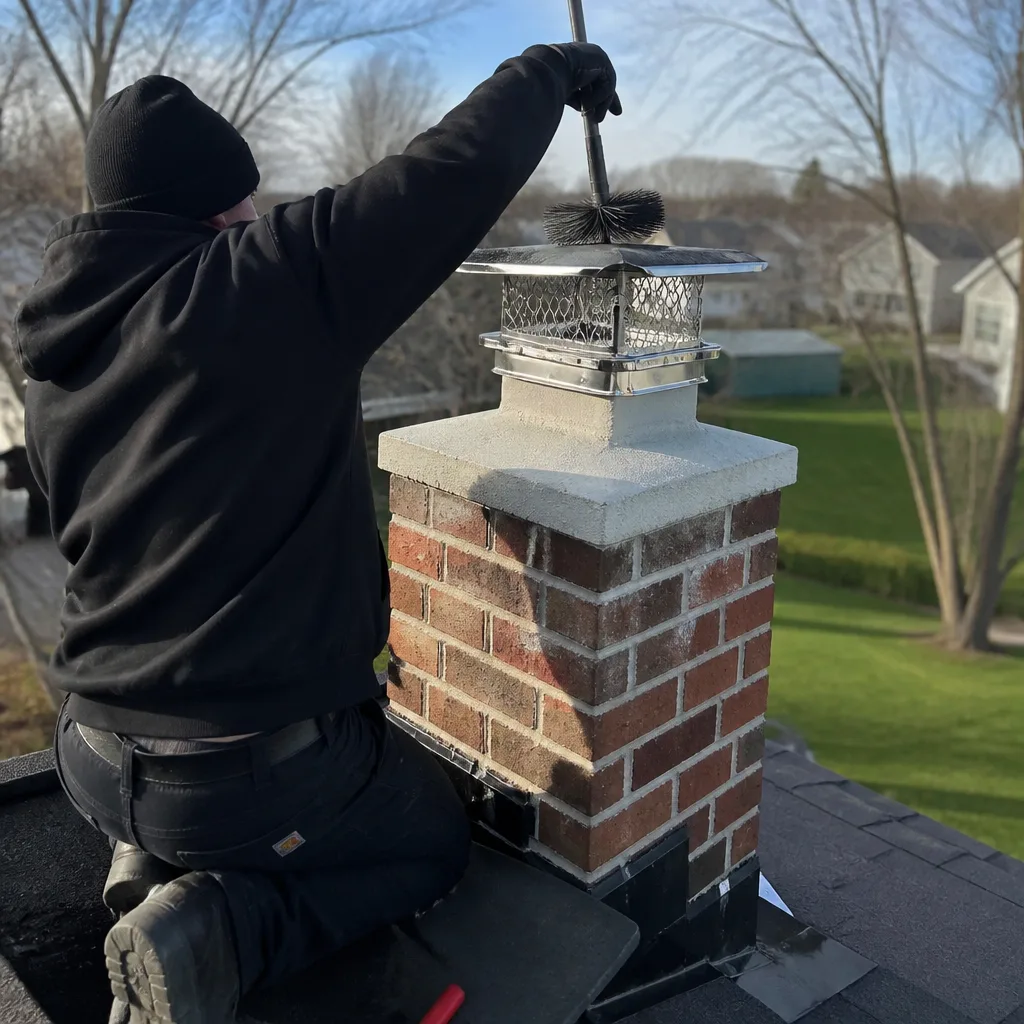 After
After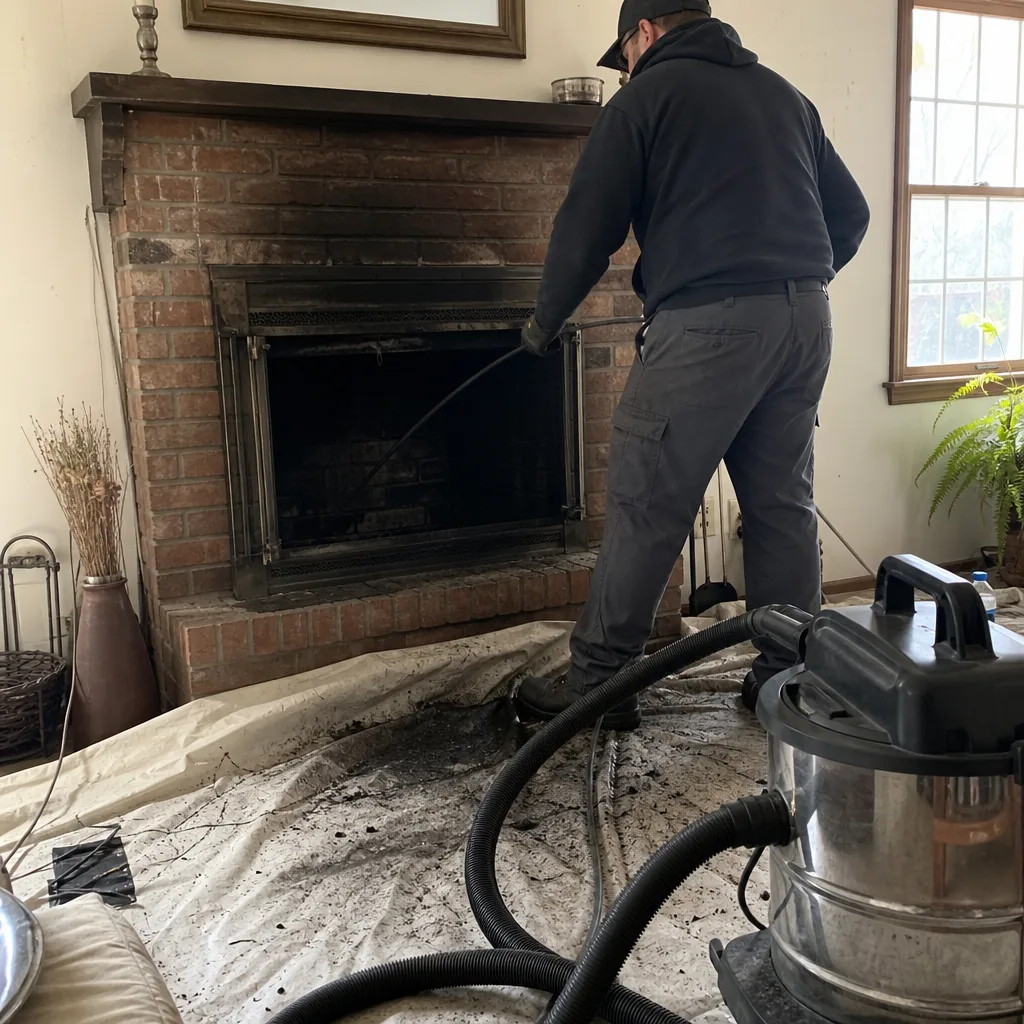 Before
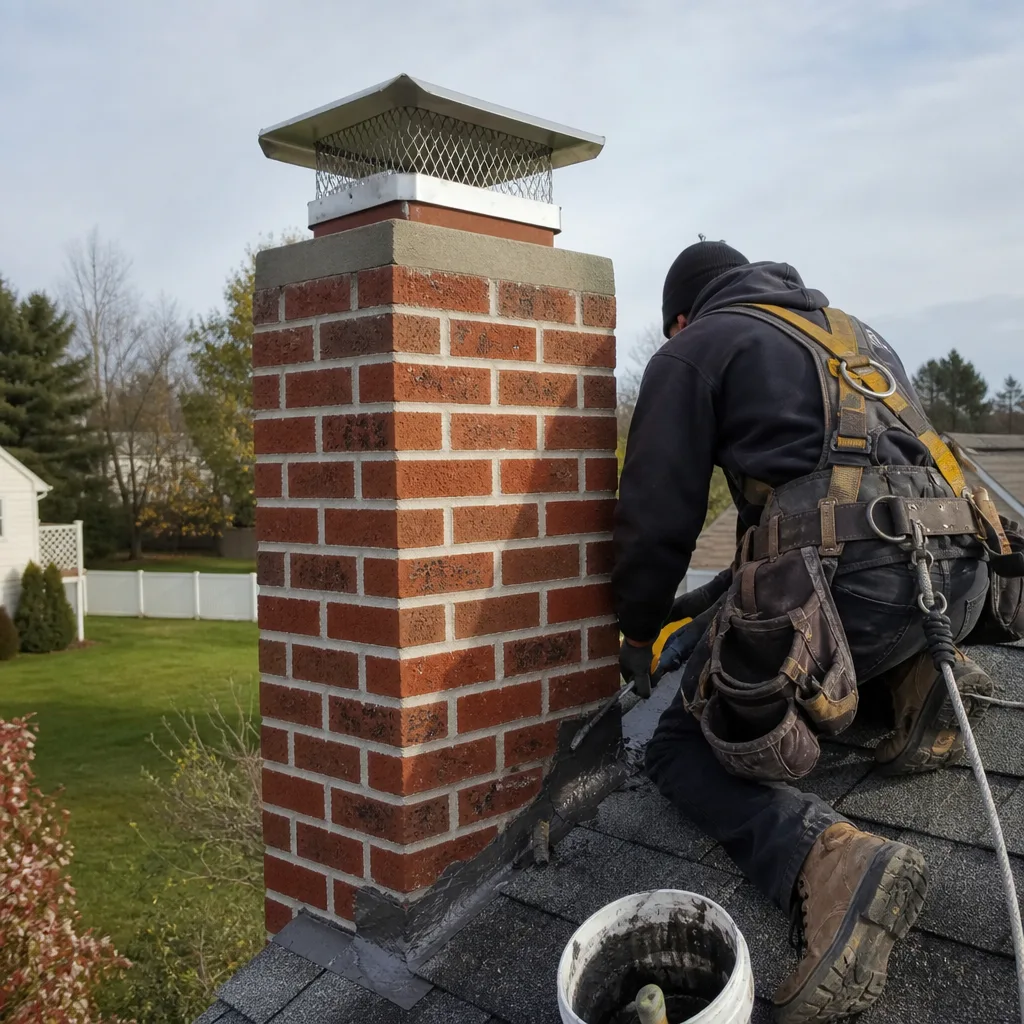 After
AfterChimney Cleaning Permits, Codes & Inspections in PA: What You Need to Know
Cleaning a chimney needs no permit. Relining one does. The problem is that the contractor who finds the liner damage during cleaning is often the same one who’d prefer to start the repair the same day - before you’ve had time to ask whether a permit is required, who pulls it, and who’s responsible if the inspection fails. In Allentown, we’ve seen this scenario play out dozens of times: a homeowner books a routine sweep, the technician discovers cracked flue tiles, and suddenly there’s a proposal for liner work starting Monday with no mention of permits. This guide - along with our Complete Guide to Chimney Cleaning in Allentown - explains exactly where Pennsylvania law draws the line between maintenance and construction, what the City of Allentown requires, and how to protect yourself from unpermitted work that can void your insurance.
Quick Answer
Routine chimney cleaning and sweeping in Pennsylvania require no permit under the Uniform Construction Code. However, chimney liner replacement, masonry rebuilds, and structural modifications do require permits pulled through your local building department. In Allentown, the Building Standards and Safety Division processes these permits, and work done without proper permitting can void your homeowners insurance and create liability exposure when you sell.
Table of Contents
- Which Chimney Services Require Permits in Pennsylvania?
- How Allentown Processes Chimney Permits: Timelines and Requirements
- NFPA 211 Explained: What This Standard Means for Your Home
- Why Unpermitted Chimney Repairs Can Void Your Insurance
- What a Passing Inspection Certifies - and Why to Keep the Paperwork
- How to Verify Your Contractor Before Work Begins
- Common Mistakes to Avoid
- When to Call a Professional
- Frequently Asked Questions
- The Bottom Line
Which Chimney Services Require Permits in Pennsylvania?
Pennsylvania’s Uniform Construction Code (UCC), adopted from the International Residential Code, separates chimney work into two categories: routine maintenance and construction. The distinction matters because it determines whether your contractor needs to pull a permit, schedule inspections, and comply with local oversight.
Services that do NOT require permits:
- Chimney sweeping and cleaning of existing flues
- Removal of creosote, soot, and debris
- Basic firebox cleaning and damper adjustment
- Chimney cap installation (non-structural, clip-on types)
- Waterproofing spray applications to existing masonry
- Annual Level 1 and Level 2 inspections
Services that DO require permits:
- Chimney liner installation or replacement (stainless steel, aluminum, or cast-in-place)
- Smoke chamber parging and modification
- Chimney rebuilds, partial or complete
- Crown reconstruction involving formwork and pour
- Structural modifications to the chimney chase or enclosure
- Conversion from one fuel type to another (wood to gas, oil to pellet)
- Installation of factory-built chimney systems
The gray area - and where homeowners get caught - is when cleaning reveals damage that “requires” immediate repair. A sweep discovers deteriorated flue tiles and proposes a stainless steel liner installation. Because the homeowner didn’t plan for construction, they may not think to ask about permits. The contractor, working without oversight, installs a liner that may not meet clearances, may not be listed for the appliance, or may lack proper connection details. In our 42 years of serving Allentown and the Lehigh Valley, we’ve been called to fix unpermitted liner jobs where the original installer used flexible liner upside-down, omitted required insulation, or failed to properly secure the top plate. These aren’t cosmetic errors. They create fire hazards and carbon monoxide risks.
Pennsylvania’s Department of Labor and Industry, which administers the UCC, explicitly exempts “ordinary repairs” from permitting requirements. But liner replacement is not an ordinary repair. It’s a system modification that changes the venting characteristics of your appliance. The IRC Chapter 10, adopted by reference in Pennsylvania, requires liners to be listed and labeled for the specific application, with proper sizing per NFPA 211. A permit ensures an independent inspector verifies these details.
How Allentown Processes Chimney Permits: Timelines and Requirements
The City of Allentown’s Building Standards and Safety Division handles all construction permits within city limits. For chimney work, the process follows a predictable path, but timelines vary based on project scope and inspector availability.
Step-by-step: Getting a chimney permit in Allentown
- Application submission. The contractor or homeowner submits a permit application with project description, scope of work, and contractor license information. Allentown accepts applications in person at 435 Hamilton Street or through their online portal.
- Plan review. For liner installations, the building department reviews manufacturer specifications and sizing calculations. Simple cap-on liner jobs may qualify for over-the-counter approval. Masonry rebuilds or chase modifications typically require 5-10 business days for plan review.
- Permit issuance. Once approved, the permit must be posted at the job site before work begins. Allentown’s current fee schedule charges based on project valuation; most chimney liner permits fall in the $100-$250 range, though fees change periodically.
- Rough inspection. For liner work, an inspector examines the installation before final closure - checking clearances, support spacing, connections, and termination height. This inspection must pass before the chase or surround is closed up.
- Final inspection. The completed work is inspected for code compliance. Passing generates a certificate of completion or inspection approval.
Allentown’s climate creates specific considerations that out-of-area contractors sometimes miss. Our freeze-thaw cycles are severe - the Lehigh Valley averages 30-40 freeze-thaw events annually, with temperatures swinging from single digits to 50°F within 48 hours. This means chimney crowns and masonry must be designed to shed water aggressively, and liner installations must accommodate thermal expansion that more temperate regions don’t experience. We’ve found that liner systems using DuraFlex and HeatShield products, properly specified and installed, handle these conditions well. But specification matters: a liner appropriate for a coastal Virginia installation may fail prematurely in Allentown’s thermal stress environment.
One practical note: Allentown’s building department, like many in Pennsylvania, operates with limited staff. During peak construction season (April through October), inspection scheduling can stretch to 7-10 days. Reputable contractors build this into their project timeline. If a contractor says they can start liner work tomorrow and finish before any inspector could possibly visit, that’s a signal to pause and verify their permitting plan.
NFPA 211 Explained: What This Standard Means for Your Home
NFPA 211, the Standard for Chimneys, Fireplaces, Vents, and Solid Fuel-Burning Appliances, is the technical document that governs chimney system design, installation, and maintenance in Pennsylvania. It’s not a law itself, but the UCC adopts it by reference, making its provisions enforceable through local building departments.
For homeowners, NFPA 211 matters in four specific ways:
Inspection requirements. The standard defines three levels of inspection. Level 1 is visual, accessible areas only - appropriate for annual maintenance when no changes have occurred. Level 2 includes camera examination of internal flue surfaces, required at property transfer, after chimney fires, or when any system modification occurs. Level 3 involves demolition of building components to access concealed areas - rare, but necessary after significant events like lightning strikes or structural collapses. Our Level-2 camera inspections end with photos you can see and a plain-English verdict. Documented like an engineer, explained like a craftsman.
Liner specifications. NFPA 211 Section 11.2 requires chimneys to be lined with materials “suitable for the type of appliance connected.” For solid fuel, this means high-temperature stainless steel (typically 316Ti or 304 alloy, depending on fuel), properly sized using appliance BTU output and flue height. Aluminum and galvanized steel are prohibited for solid fuel. We’ve encountered unpermitted installations where contractors used aluminum liner for wood-burning inserts to save cost - a direct violation that creates immediate fire risk.
Clearance requirements. The standard mandates minimum airspace between chimney components and combustible building materials. For masonry chimneys, this is typically 2 inches. For factory-built systems, it’s as specified by the listing. Unpermitted work often compresses these clearances during “creative” installations in tight spaces. In Allentown’s older housing stock - particularly in West End and Center City neighborhoods with original 1920s construction - chimney chases are frequently undersized by modern standards. Proper liner installation with adequate insulation and clearance may require chase modification, which triggers additional permit requirements.
Termination requirements. NFPA 211 specifies minimum chimney height above roof penetrations, adjacent structures, and grade. These rules exist to ensure adequate draft and prevent downdrafting in wind conditions. Allentown’s location in the Lehigh Gap creates localized wind patterns that make proper termination especially important. We’ve corrected installations where liners terminated below adjacent roof peaks, causing smoke spillage during westerly winds.
Understanding NFPA 211 helps you ask better questions. When a contractor proposes liner work, ask: “What NFPA 211 section governs this installation, and how does your proposal comply?” A qualified professional answers immediately. Someone winging it deflects or doesn’t know.
Why Unpermitted Chimney Repairs Can Void Your Insurance
Homeowners insurance policies contain standard provisions that exclude coverage for damage resulting from work performed without required permits or by unlicensed contractors. This isn’t fine print - it’s central to how insurers manage risk.
Here’s the mechanism: when you file a claim for fire damage, the insurer investigates cause and origin. If the fire originated in the chimney system, they will request documentation of installation and maintenance. Discovery of unpermitted liner work triggers several possible outcomes:
- Claim denial based on policy exclusions for unpermitted modifications
- Claim denial based on material misrepresentation (failure to disclose structural changes)
- Reduced payout limited to damage unrelated to the unpermitted work
- Policy rescission if the unpermitted work was known and not reported
We’ve worked with Allentown homeowners who discovered this gap only after a chimney fire. One case involved a Copperfield liner installed by a previous owner without permits in the 1990s. The current owner, who had no knowledge of the unpermitted work, faced a $47,000 claim denial for kitchen and roof damage. The insurer’s position: the policy application asked about structural modifications, and the chimney liner constituted a material change to the home’s venting system. Resolution required legal intervention and took 18 months.
The prevention is straightforward. Before any repair work begins:
- Ask the contractor directly: “Will you pull the required permit, or is this my responsibility?”
- Verify the permit number with Allentown’s Building Standards and Safety Division before work starts - call (610) 632-1394 or check online.
- Request copies of all inspection approvals before making final payment.
- Store these documents with your home’s permanent records, alongside deeds and title insurance.
Some contractors suggest the homeowner pull the permit to “save money” or “speed things up.” This is a red flag. In Pennsylvania, the party performing the work typically pulls the permit, and doing so incorrectly can create liability for the homeowner if the work fails inspection. A contractor who won’t pull their own permit may lack proper licensing, insurance, or both.
What a Passing Inspection Certifies - and Why to Keep the Paperwork
A passing inspection from a certified building inspector certifies that the visible, accessible portions of the work comply with the code edition referenced on the permit at the time of inspection. It does not guarantee future performance, hidden condition, or that the work will never require maintenance. Understanding this distinction prevents false confidence and ensures proper ongoing care.
Specifically, a chimney liner inspection approval documents:
- Liner material and listing are appropriate for the connected appliance
- Liner diameter matches appliance BTU output and chimney height per NFPA 211 sizing tables
- Clearances to combustibles meet or exceed code minimums
- Support and connection details comply with manufacturer instructions
- Termination height and configuration meet code requirements
- Access for future cleaning and inspection is maintained
What it does NOT certify:
- Condition of masonry hidden behind the liner
- Future deterioration from moisture, acid corrosion, or thermal cycling
- Proper appliance operation or maintenance by the homeowner
- Absence of pre-existing damage outside the scope of permitted work
In Allentown, we recommend homeowners treat inspection certificates like title documents - keep originals in a fireproof location, with copies in cloud storage. When you sell, prospective buyers and their inspectors will ask about chimney work. Producing organized permits and approvals signals responsible ownership and prevents sale delays. We’ve had sellers call us in panic when a buyer’s inspector flags unpermitted work discovered during pre-sale inspection. The fix is expensive and time-sensitive, often requiring permit application, work exposure, and re-inspection on a closing timeline.
For our own fireplace and chimney projects, we provide homeowners with a complete documentation packet: permit copies, inspection approvals, manufacturer specifications for materials used (including Gelco and HeatShield products where applicable), and photos of the completed installation. This packet becomes part of your home’s maintenance record. Done right - and we stand behind it.
How to Verify Your Contractor Before Work Begins
Pennsylvania does not license chimney sweeps at the state level. This creates a market where anyone with a brush and a truck can advertise services, and where the distinction between competent professionals and dangerous amateurs isn’t always obvious until damage occurs.
Verification steps for Allentown homeowners:
- Confirm municipal registration. Allentown requires contractors to register with the city before pulling permits. Ask for the registration number and verify with the Building Standards and Safety Division.
- Request certificate of insurance. General liability and workers compensation coverage should name your property and match the contractor’s business name. Beware of certificates from unrelated entities - a common bait-and-switch.
- Ask for CSIA or NFI certification. While not legally required, Chimney Safety Institute of America certification indicates tested knowledge of NFPA 211 and proper techniques. National Fireplace Institute certification applies specifically to gas appliance work.
- Verify permit history. Ask for addresses of recent permit-pulled jobs in Allentown. Cross-check with the building department. A contractor with no permit history is either new or working illegally.
- Request material specifications in writing. Professional-grade materials from established manufacturers - DuraFlex, HeatShield, Gelco, Olympia Chimney, Famco, and Copperfield - come with warranties and engineering documentation. Generic or “equivalent” substitutions often don’t.
- Review the contract for permit responsibilities. The document should specify who pulls permits, schedules inspections, and pays associated fees. Vague language here predicts problems later.
At Hearthstone Chimney Co., we’ve answered the phone with a live person for over 42 years. When you call (610) 632-1394, you’ll speak with someone who can explain our permitting process, provide our Allentown registration details, and schedule a free estimate with no pressure to commit. Our background-checked, uniformed technicians complete most jobs in a single visit, with no-hassle upfront pricing - the number on the estimate is the number on the invoice. A square deal: no surprises on the bill.
Common Mistakes to Avoid
- Assuming cleaning and repair are the same permit category. Pennsylvania explicitly exempts routine sweeping from permitting, but many homeowners extend this assumption to liner work discovered during cleaning. Ask separately about each service.
- Accepting verbal permit assurances. “Don’t worry, we’ll take care of it” means nothing until you see the permit posted at your property. In Allentown’s South Side and East Side neighborhoods, we’ve found unpermitted work that contractors claimed was “handled.”
- Paying in full before final inspection. Pennsylvania’s Home Improvement Consumer Protection Act limits upfront payments, but more importantly, retaining final payment until inspection approval gives you leverage if corrections are needed.
- Ignoring manufacturer warranty requirements. Many liner warranties require professional installation per manufacturer instructions, which includes code compliance and permitting. Unpermitted installation voids the warranty you paid for.
- Failing to document the pre-existing condition. Before any repair work, photograph the chimney interior and exterior. If disputes arise about whether damage was pre-existing or caused by the contractor, dated photos provide evidence.
- Using the same contractor for inspection and repair without a second opinion on major work. We offer a Free Second Opinion on any written estimate. An independent review of liner proposals often reveals unnecessary scope or incorrect specifications.
- Neglecting to transfer permits at sale. If you sell with open or recently completed permit work, ensure inspection approvals are recorded and disclosed. Unclosed permits create title issues that delay closing.
When to Call a Professional
Call a certified chimney professional when cleaning reveals any of the following - all warning signs Allentown homeowners should watch for: visible cracks or spalling in flue tiles, gaps between tile joints, rust stains indicating liner deterioration, smoke staining on exterior masonry, or draft problems that don’t resolve with damper adjustment. In Allentown’s climate, these conditions worsen rapidly through winter heating season.
Call before you need emergency service. Annual Level-2 inspection, particularly before burning season, identifies developing problems when they’re less expensive to address. Hearthstone Chimney Co. offers free estimates in Allentown - call (610) 632-1394. We’ll provide photos you can see, a plain-English verdict, and a written estimate with no pressure to book. We’ll be there when we say.
Frequently Asked Questions
No. Routine chimney cleaning, sweeping, and basic maintenance are explicitly exempt from permitting requirements under Pennsylvania’s Uniform Construction Code. These are classified as ordinary repairs and maintenance, not construction. However, if cleaning reveals damage requiring liner replacement or masonry repair, those subsequent repairs do require permits. See our Chimney Cleaning & Sweep Maintenance Checklist for Allentown Homeowners for a full breakdown. Call (610) 632-1394 for a free inspection - we’ll tell you exactly what category your work falls into.
Most stainless steel liner installations in Allentown range from $2,800 to $5,500 depending on flue diameter, number of appliances connected, chase height, and whether insulation is required. Multi-flue chimneys or installations requiring chase modification run higher. We provide no-hassle upfront pricing - the number on the estimate is the number on the invoice - and our $50 Off Any Repair Over $250 applies to qualifying liner projects. Call (610) 632-1394 for an exact quote; estimates are free.
Simple liner replacements often receive same-day or next-day approval through over-the-counter review. Masonry rebuilds or chase modifications requiring plan review typically take 5-10 business days. Inspection scheduling adds another 3-7 days depending on season. We build realistic timelines into every project and never start work without posted permits.
Homeowners can pull permits for work they perform themselves, but professional contractors should pull permits for work they perform. If a contractor asks you to pull the permit, ask why. This arrangement may indicate licensing problems, insurance gaps, or an attempt to shift liability. A reputable contractor handles their own permitting as standard practice.
The National Fire Protection Association recommends annual inspection for all chimney systems, with cleaning frequency determined by use and fuel type. In Allentown, where many homeowners burn cordwood from October through April, annual sweeping is typical for heavily used fireplaces. Occasional gas log users may extend to every two years with inspection. Our $89 Seasonal Tune-Up includes inspection and basic maintenance - call (610) 632-1394 to schedule.
Skipped maintenance allows creosote accumulation, which increases chimney fire risk. In Allentown’s older neighborhoods with mature tree canopy and closely spaced homes, chimney fires spread rapidly to adjacent structures. Deferred maintenance also masks developing liner damage that allows carbon monoxide leakage into living spaces. The cost of annual inspection and cleaning is minor compared to structural fire damage or health consequences. Browse our more guides & resources to stay informed. Our 90-Day Done Right Promise means if it’s not right, we make it right - in writing, no arguing.
The Bottom Line
Pennsylvania chimney codes draw a clear line: cleaning needs no permit, but construction does. The danger lies in the transition between them, when a routine service reveals damage and a contractor proposes immediate repair without proper oversight. In Allentown, protect yourself by verifying permits before work begins, confirming inspection approvals before final payment, and keeping all documentation with your permanent records. The 15 minutes spent checking a permit number can prevent years of insurance disputes and liability exposure. For straight answers about your specific chimney, call Hearthstone Chimney Co. at (610) 632-1394. Photos you can see, a plain-English verdict, and work done right - we stand behind it.
Written by Russell Haines, Owner at Hearthstone Chimney Co., serving Allentown since 2014.