
Last updated September 10, 2026
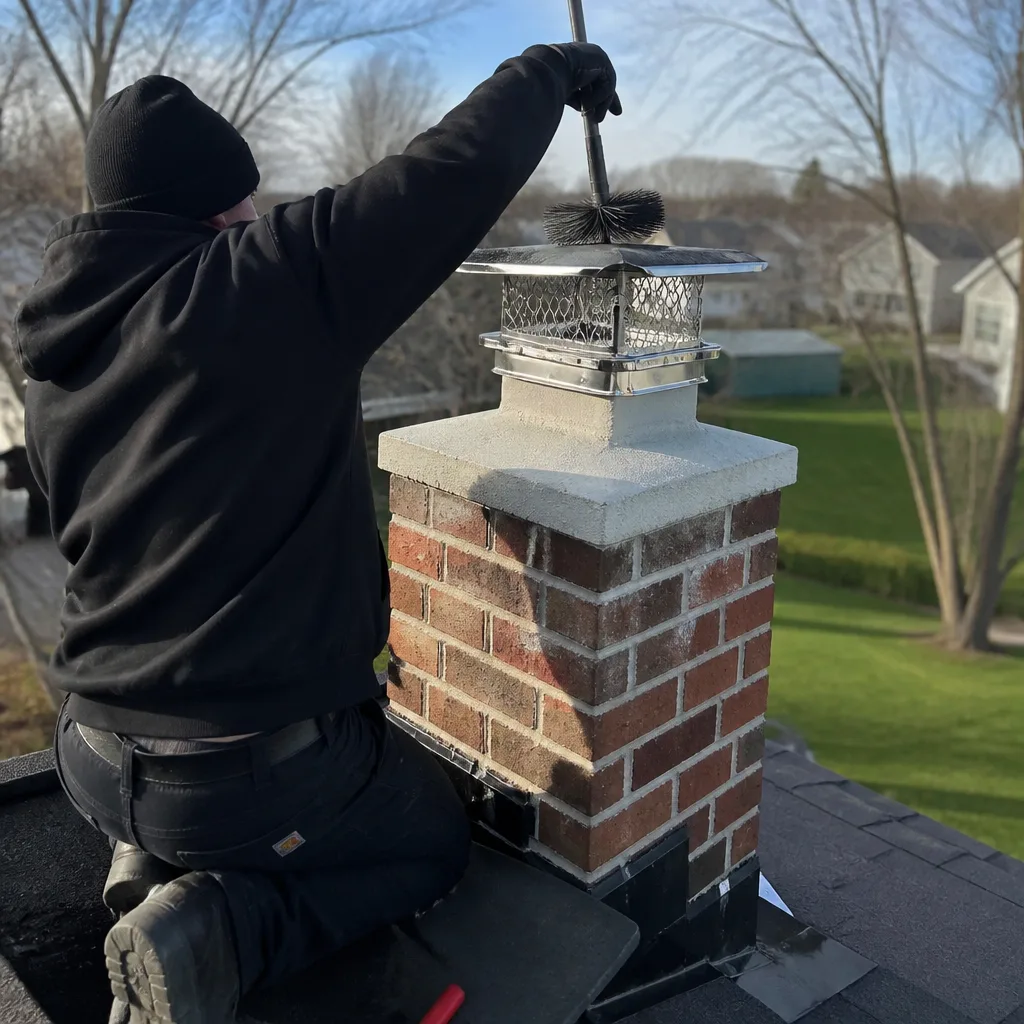
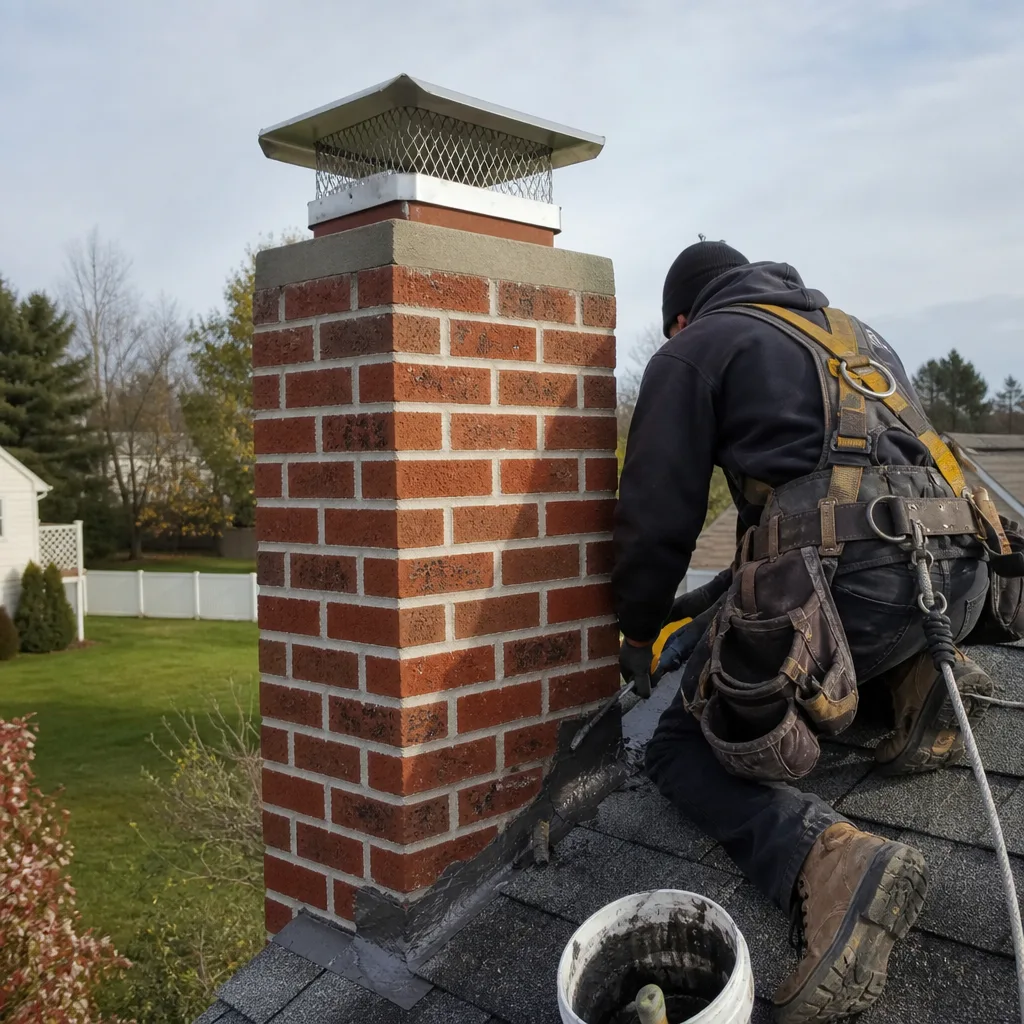
Level 1 sweep and inspection to the NFPA 211 annual standard - flue, crown, cap, and flashing checked and photographed
Chimney sweep logs do not sweep chimneys. They loosen some creosote - which then falls where a brush and vacuum still have to collect it.
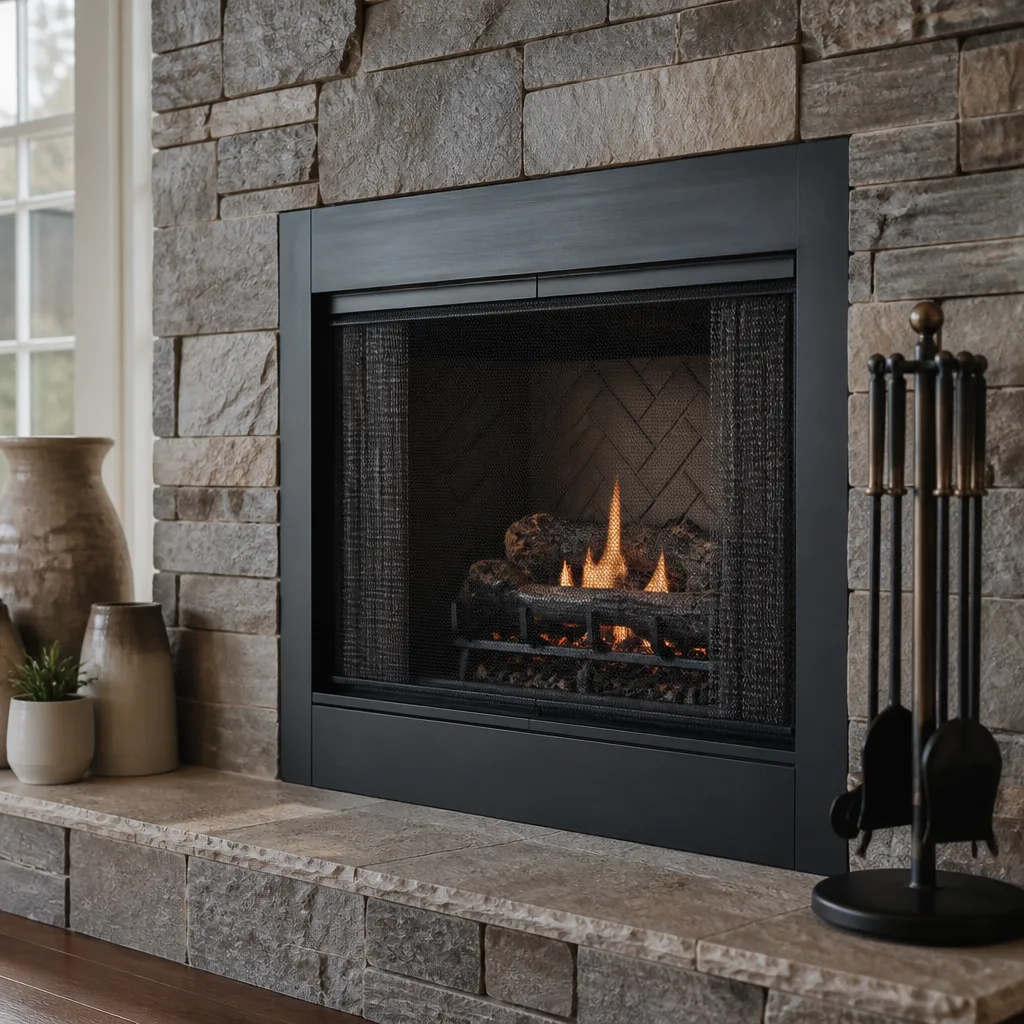
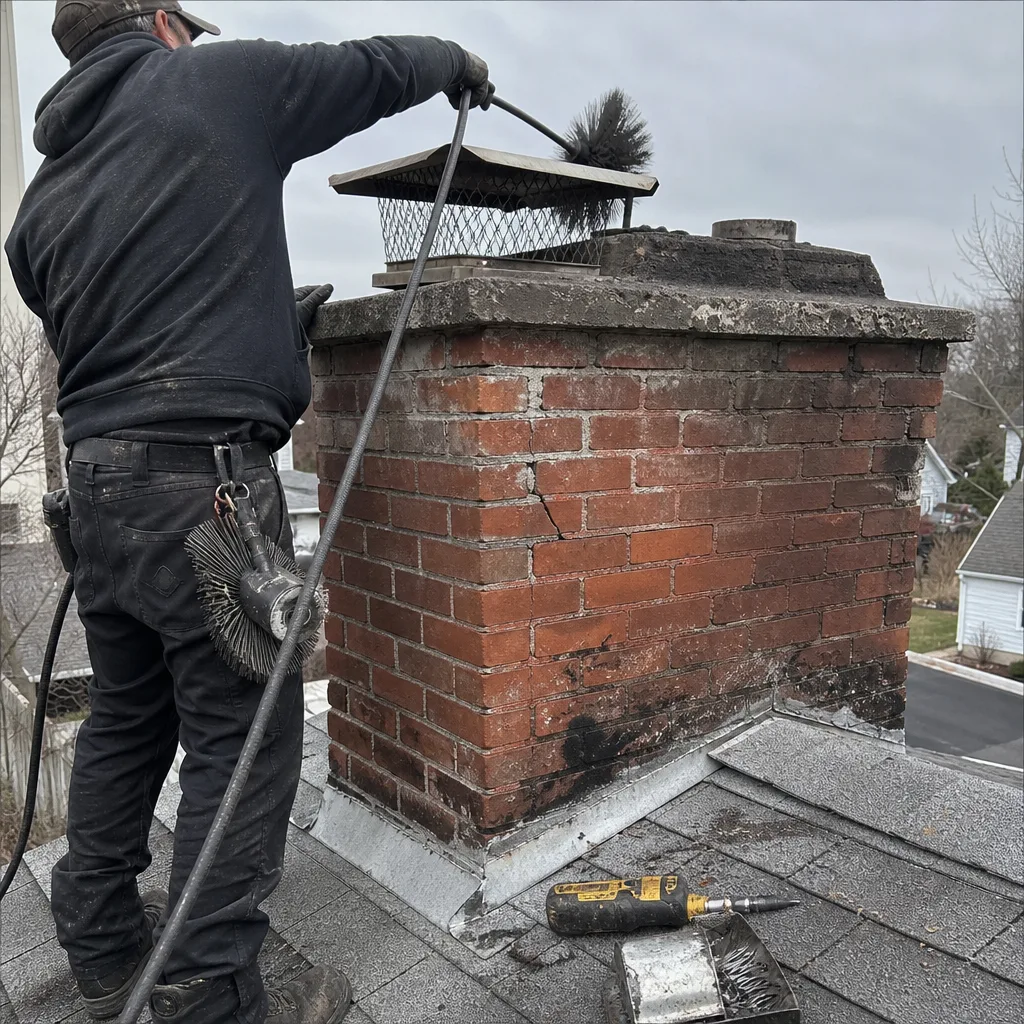 Before
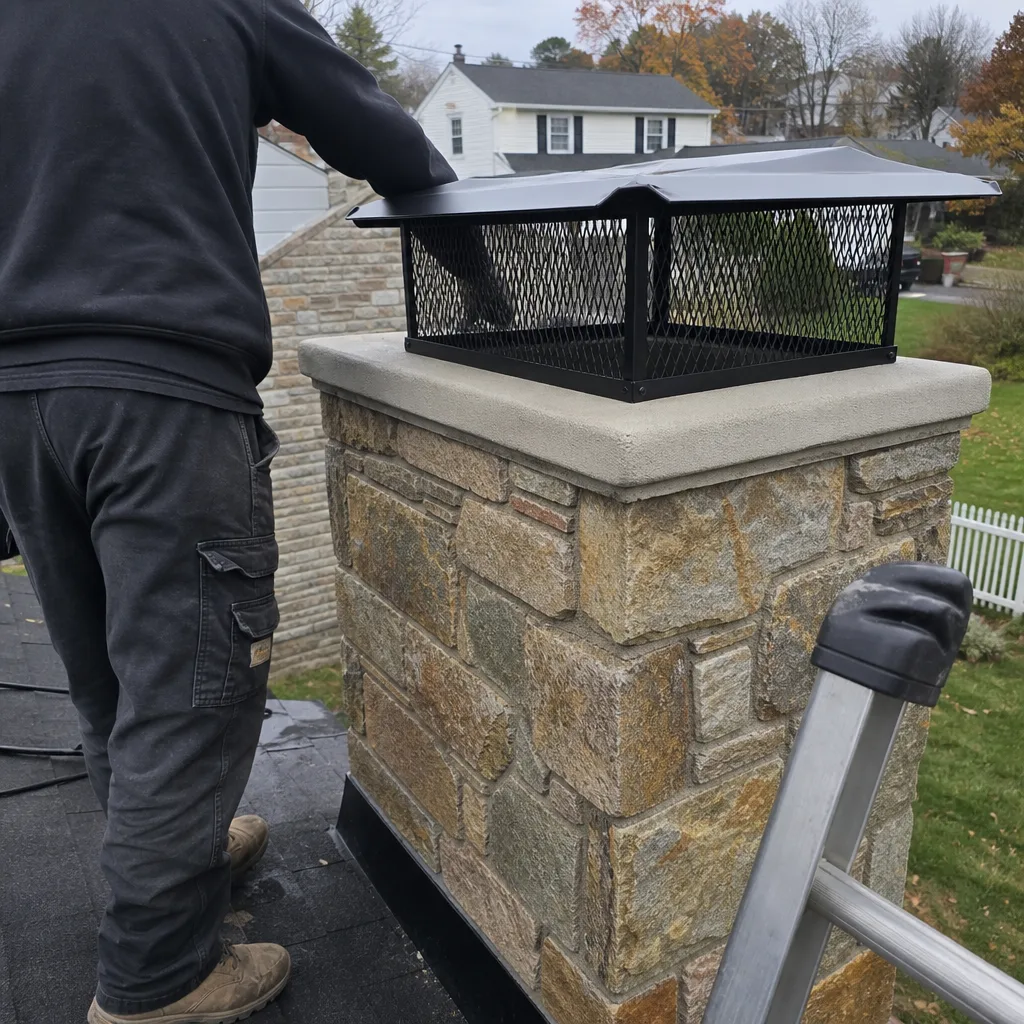 After
After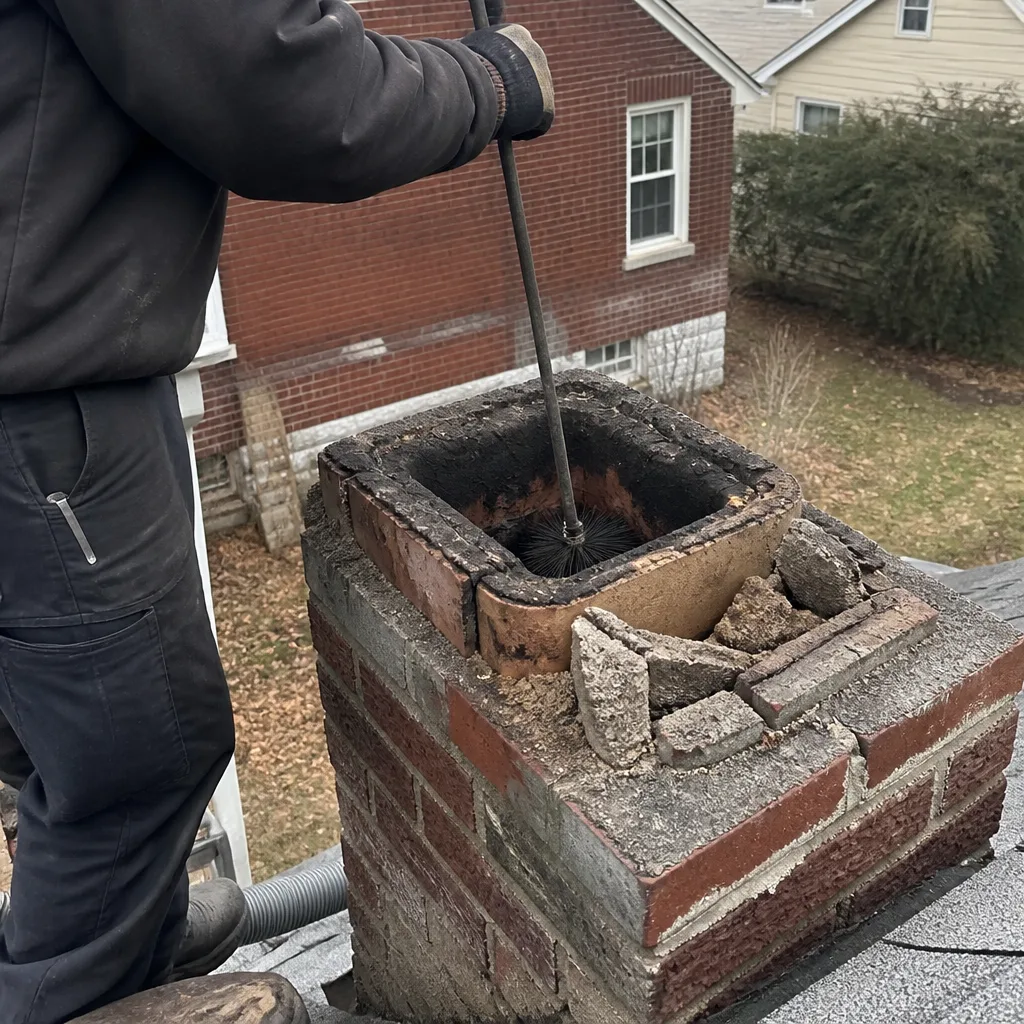 Before
 After
After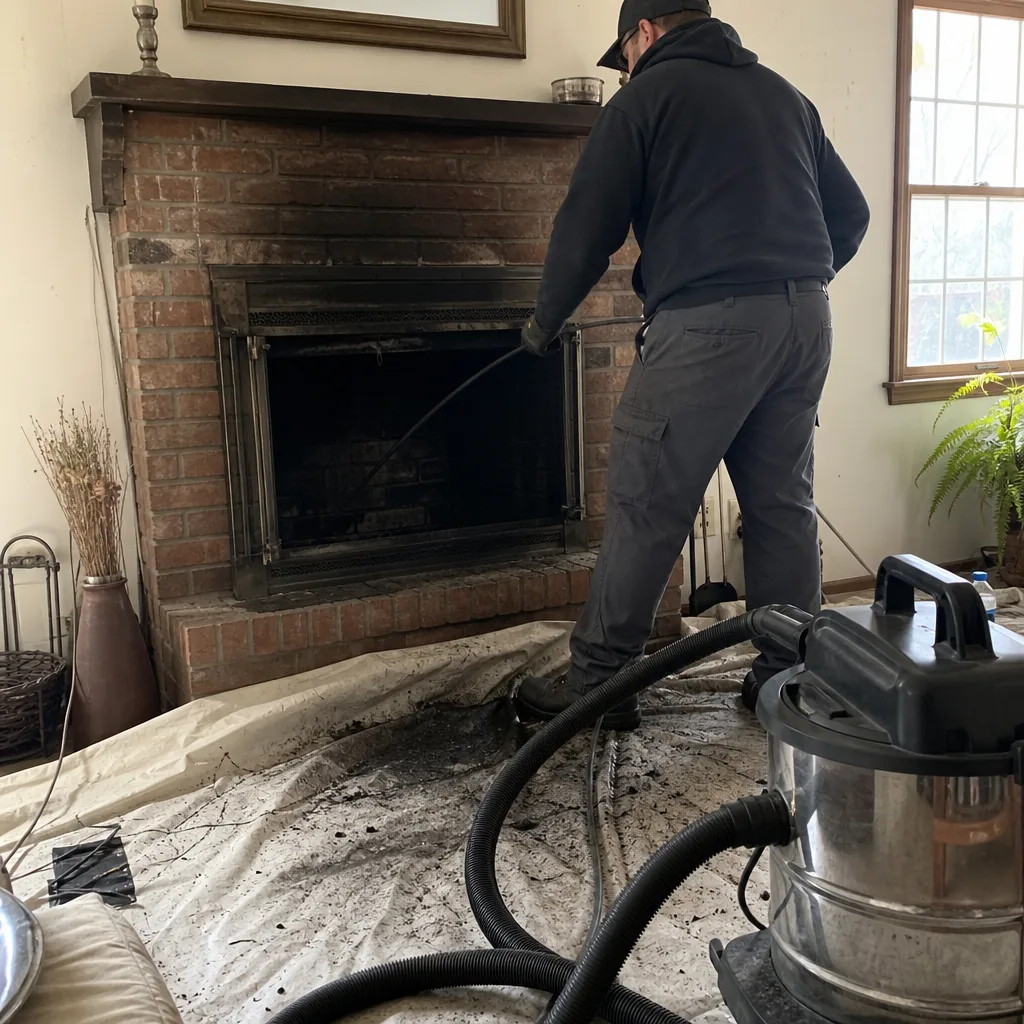 Before
 After
AfterChimney Cleaning & Sweep Maintenance Checklist for Allentown Homeowners
Most chimney maintenance checklists found online were written by content agencies, not sweeps. They tell you to “check the flue” without explaining what you’re checking for, which makes them feel useful while providing almost no protection against the problems that actually cause fires and carbon monoxide incidents in Allentown homes. In our 42 years of service, we’ve found that a checklist only protects your household when you can distinguish normal wear from genuine hazard. This guide pairs every item with a plain description of what normal looks like versus what needs a sweep’s attention, and you can learn more in our Complete Guide to Chimney Cleaning in Allentown, turning a generic list into a working diagnostic tool.
Quick Answer
Allentown homeowners should inspect their chimney system monthly during burning season (October through March), schedule our Chimney Cleaning & Sweep services with a full sweep and Level-2 camera inspection annually before first use, and maintain a written log of observations to spot trends. Key checkpoints include firebox condition, damper operation, smoke behavior, exterior crown and cap integrity, and any new odors or drafting changes. What you can assess safely stops at visual and operational checks; liner integrity, flue clearance to combustibles, and hidden masonry deterioration require professional evaluation with camera equipment.
Table of Contents
- The Allentown Heating Season Calendar: When to Check What
- Homeowner Checks vs. Sweep-Required Assessments
- Monthly Checklist During Burning Season
- Firebox, Smoke Chamber, and Damper: What Normal Looks Like
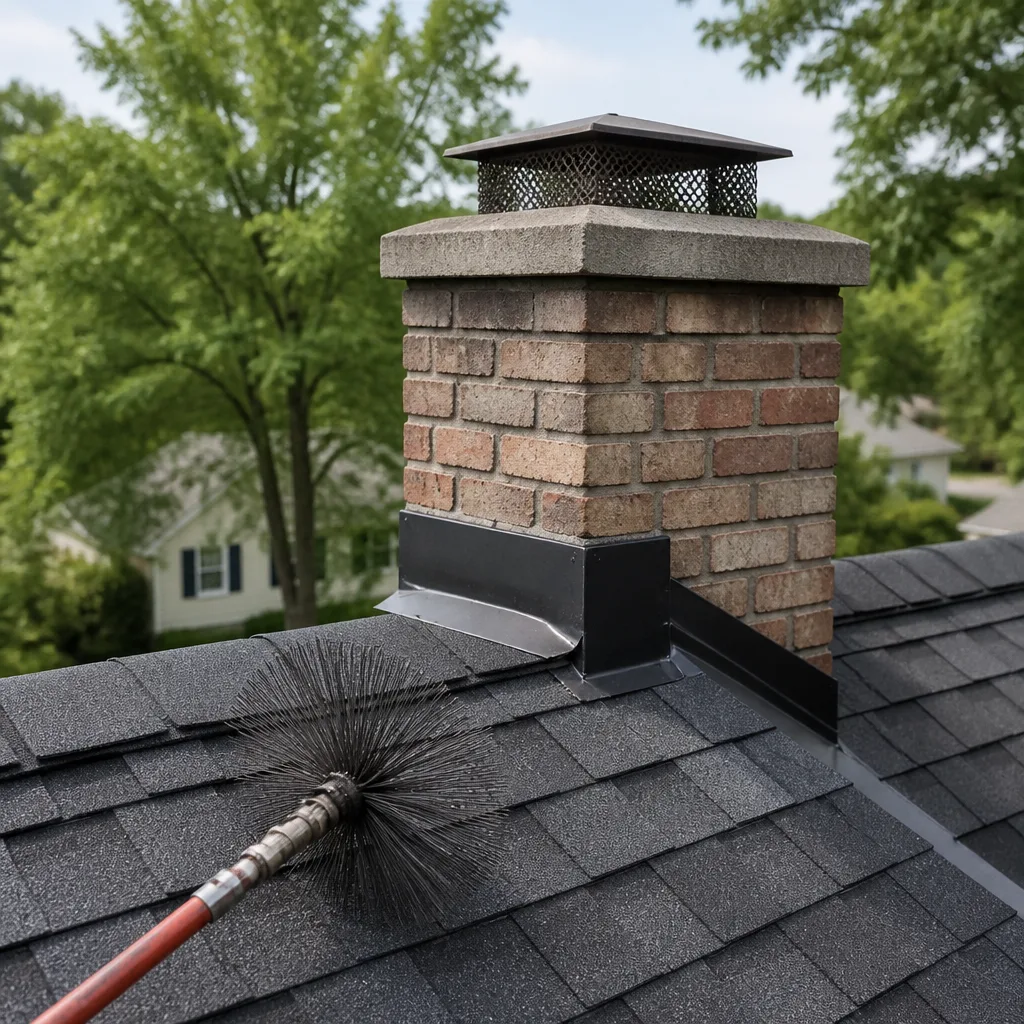
- Exterior Crown, Cap, and Flashing Inspection
- Smell and Draft Tests Any Homeowner Can Perform
- Logging Observations: Building a History Your Sweep Can Use
- How to Present Your Checklist Findings to a Contractor
The Allentown Heating Season Calendar: When to Check What
Allentown’s climate demands a different rhythm than coastal or southern markets. Our heating season typically runs mid-October through mid-April, with the heaviest burns coming in January and February when temperatures hold in the twenties and thirties. The Lehigh Valley’s freeze-thaw cycles, particularly the hard freezes of late January followed by February thaws, stress masonry in ways that accelerate cracking and spalling.
Here’s the schedule we’ve developed over four decades of working in Allentown, Bethlehem, Easton, and the surrounding townships:
- August-September: Schedule your annual sweep and Level-2 camera inspection. This is not early. By October 15, every reputable sweep in the Lehigh Valley is booked two to three weeks out. Waiting until you feel a chill means waiting until you need heat, which means burning dirty or burning cold.
- October 1: Perform your pre-season homeowner checklist (detailed below). Test the damper, inspect the firebox, and walk the exterior to check the crown, cap, and flashing. If anything has changed since last season, call before lighting the first fire.
- November 1: First monthly operational check after two to three weeks of regular use. By now, any post-sweep issues (draft problems, odor changes, unusual smoke behavior) should be apparent.
- December 1, January 1, February 1, March 1: Continue monthly checks. The February check is critical; this is when creosote buildup from holiday heavy burning meets the coldest weather and highest draft demands.
- March 15-April 1: Final burning season check. Document end-of-season condition. Schedule any needed repairs before spring rains accelerate masonry deterioration.
- April-September: Off-season maintenance window. This is when we rebuild crowns, replace liners with Chimney Repair in Allentown, and install caps. Materials cure better in moderate temperatures, and you’ll have full choice of appointment times.
Allentown homeowners in older neighborhoods like West End, Hanover Heights, or the historic districts around 19th Street should pay particular attention to the August-September window. Homes built before 1940 often have unlined chimneys or early terra-cotta liners that have survived a century of coal and wood combustion. These systems can appear sound from below while presenting serious degradation at the mid-flue or above the roofline. Only a camera inspection reveals this condition.
Homeowner Checks vs. Sweep-Required Assessments
Understanding the boundary between what you can safely evaluate and what requires professional equipment protects you from two opposite errors: false confidence that leads to delayed maintenance, and unnecessary anxiety that leads to emergency calls for normal conditions. If you’re unsure which category your situation falls into, review our Chimney Cleaning Warning Signs: A Allentown Homeowner’s Reference Guide.
Homeowner-observable conditions require no special tools, no roof access, and no disassembly beyond normal fireplace operation. These are sensory and operational checks: what you see, smell, hear, and feel during normal use.
Sweep-required assessments need specialized equipment, training, and often roof or ladder work. These evaluate hidden systems and code compliance issues that determine actual safety.
| What You Can Check | What Requires a Sweep |
|---|---|
| Smoke behavior during normal fires | Liner integrity and joint gaps |
| Damper opening, closing, and seal feel | Flue clearance to combustible framing |
| Firebox brick and mortar condition (visible surfaces) | Smoke chamber parging and slope |
| Exterior crown, cap, and flashing (ground or ladder) | Interior masonry deterioration above the smoke shelf |
| Odor type and timing | Carbon monoxide spillage under varying draft conditions |
| Spark or ember escape from top | National Fire Protection Association 211 compliance |
The critical distinction: homeowner checks tell you when to call. Sweep assessments tell you what must be done and whether the system is safe to operate. No checklist replaces annual professional inspection, just as no dental mirror replaces your dentist’s X-rays.
In Allentown’s competitive sweep market, we’ve encountered homeowners who received “inspections” that never involved a camera. A visual inspection from the firebox, or even from the roof looking down, misses the majority of liner failures and hidden masonry damage. Our Chimney Cleaning & Sweep in Allentown includes Level-2 camera documentation as standard, not an upsell. Photos you can see, a plain-English verdict.
Monthly Checklist During Burning Season
Print this section. Laminate it. Keep it with your fireplace tools or taped inside the mantel cabinet. Run through it on the first of each month, or the first Sunday if you prefer. The value is in consistency, not perfection.
Before Lighting Any Fire (Monthly)
- Check the damper. Open it fully. Verify it moves freely and seats cleanly when closed. A damper that sticks, grinds, or won’t seal fully needs adjustment or replacement. Normal: smooth operation, no visible gaps when closed against a flashlight beam from below. Abnormal: rust flakes, broken castings, or a frame that has shifted out of square.
- Inspect the firebox. Remove ashes if present (wait 24 hours minimum; ashes can hold live coals for days). Look at the back wall, side walls, and floor. Normal: minor ash staining, intact refractory panels or brick, mortar joints present though possibly weathered. Abnormal: cracked or missing refractory panels, bricks that have shifted or fallen, mortar joints eroded to finger-depth or deeper, white or yellow efflorescence indicating moisture intrusion.
- Look up the flue. With the damper open and a bright flashlight, look for obstructions, significant soot accumulation, or visible liner damage. Normal: dark soot coating, possibly some flaky creosote, liner visible and continuous. Abnormal: bird nests, leaves, bricks or liner fragments that have fallen, shiny or tar-like creosote indicating improper burning, daylight visible through liner cracks.
- Check smoke chamber access. If your fireplace has a cleanout door (usually in the basement or outside wall near the foundation), verify it seals and is not blocked by debris. Normal: clean, dry, sealed. Abnormal: water, significant fallen debris, or odors escaping around the door seal.
During Active Burning (Monthly Observation)
- Smoke behavior. With a well-established fire and the damper fully open, smoke should rise cleanly into the flue. Some smoke may drift forward when opening the loading door; this is normal. Abnormal: smoke consistently spilling into the room, smoke staining above the fireplace opening, or smoke that lingers in the firebox after the door is closed.
- Burn rate and draft sound. Normal fires draw with a steady, audible pull. Abnormal: weak draft requiring doors or windows to be opened, roaring or whistling indicating restriction, or fire that burns sluggishly despite dry fuel and open damper.
- Exterior observation. Step outside during active burning. Normal: thin, dissipating smoke from the cap, or no visible smoke with hot, efficient fires. Abnormal: dense smoke, sparks or embers escaping, smoke exiting from multiple flues (indicating a breached separation), or no smoke when fire is clearly burning (possible blockage).
After Burning (Monthly, Next Day)
- Ash and debris check. Note any unusual material: masonry fragments, metal flakes, or excessive unburned material. These indicate deterioration or improper fuel.
- Odor assessment. A faint wood-smoke smell for several hours after burning is normal. Persistent strong odor, especially a sharp or chemical smell, indicates creosote buildup, moisture problems, or negative pressure issues in the house.
Firebox, Smoke Chamber, and Damper: What Normal Looks Like
The firebox and smoke chamber are where most homeowners can gather the most useful information, and where most online checklists offer the least guidance. Here’s what we’ve learned from thousands of Allentown inspections about distinguishing acceptable wear from genuine concern.
Firebox Refractory Panels (Prefabricated Fireplaces)
Factory-built fireplaces use refractory panels that simulate brick but are designed to be replaced. Normal condition: surface cracking that does not penetrate full thickness, minor spalling (surface flaking) less than 1/4 inch deep, uniform discoloration. Replacement needed: cracks that go through the panel, cracks that intersect to form loose sections, spalling deeper than 1/4 inch, or any panel that has shifted from its mounting position.
We replace refractory panels with HeatShield-certified materials when the manufacturer no longer stocks originals. The panel must be rated for the specific fireplace model; generic cement board is not an acceptable substitute and creates a real fire hazard.
Masonry Fireboxes
Allentown’s older homes, particularly in the West Park and Jordan Park areas, often have true masonry fireboxes built with common brick and lime mortar, not the refractory materials modern codes require. These systems have survived decades, but they degrade predictably.
Normal: mortar joints recessed but present, brick faces intact, slight rounding of edges from thermal cycling. Monitor closely: mortar joints eroded to 1/2 inch depth or more, individual bricks cracked but stable, minor spalling of brick faces. Stop burning and call: bricks that have fallen out or can be moved by hand, visible gaps to combustible framing, or a firebox floor that has settled or tilted (indicating failed support structure beneath).
Smoke Chamber
The smoke chamber is the area above the damper and below the flue liner. You cannot see most of it without a camera. However, you can detect problems indirectly.
Normal: smooth transition from firebox to flue, no significant debris falling through the damper opening, consistent draft. Abnormal: sudden draft problems after years of normal operation (indicating chamber deterioration or parging failure), significant debris or mortar fragments falling from above the damper, or visible corbelling (stepped brickwork) that has lost its mortar coating.
Smoke chamber parging with Fireplace Services in Allentown using HeatShield materials restores the smooth, tapered surface required for proper draft and reduces creosote accumulation. This is not cosmetic work; a rough or deteriorated smoke chamber is a significant contributor to chimney fires.
Damper Specifics
There are three common damper types in Allentown homes: traditional throat dampers (cast iron or steel, just above the firebox), top-sealing dampers (mounted at the chimney top, cable-operated), and rotary or pivot dampers in some prefabricated units.
Throat dampers fail predictably: rust from condensation, warping from over-firing, and frame shifting as the fireplace settles. Normal operation: opens to approximately 90 degrees, closes with metal-to-metal contact all around, no visible daylight when closed and viewed from below with flashlight. Top-sealing dampers fail at the cable mechanism or the silicone rubber seal; check for smooth cable operation and intact seal when closed.
A damper that won’t fully close costs you significant heating dollars in Allentown winters. A damper that won’t fully open risks smoke spillage and carbon monoxide exposure. Both conditions warrant prompt repair.
Exterior Crown, Cap, and Flashing Inspection
Allentown’s weather patterns punish chimney exteriors. Our average annual precipitation of 45 inches, combined with freeze-thaw cycles from November through March, means water is the primary enemy of chimney longevity. The crown, cap, and flashing are your defense system.
Crown Inspection
The crown is the concrete or mortar slab that tops a masonry chimney, sealing the space between the flue liner and the outer brick. It should shed water away from the flue.
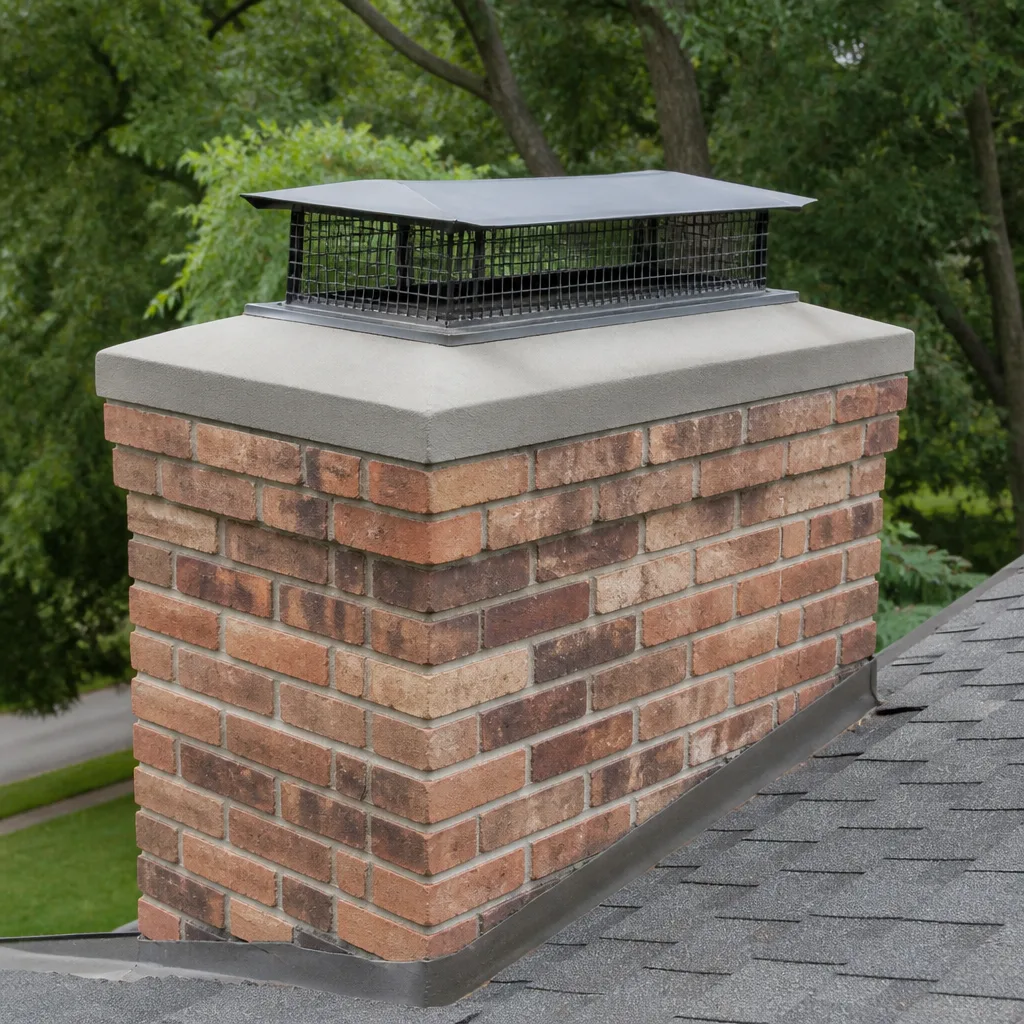
Normal: intact surface, slight slope away from flue, drip edge directing water clear of the brick face, hairline cracks that do not extend to edges. Abnormal: cracks that run to the edge or completely through, spalling or crumbling surface, pooling water, or a crown that is level or sloped toward the flue (a common installation error we correct).
We rebuild crowns with proper overhang, drip edges, and expansion joints around the flue. A proper crown is not a thin wash of mortar; it’s a structural element, typically 2 to 2.5 inches thick at the edge, sloped minimum 3/4 inch per foot.
Cap Inspection
The cap covers the flue opening, excluding rain, animals, and debris while allowing smoke exit.
Normal: secure attachment, intact mesh sides (if present), no rust-through, clearance above flue tile of at least 5 inches. Abnormal: missing or loose cap, mesh clogged with creosote or debris, rusted attachment points, or cap that has shifted to block part of the flue opening.
We install Gelco and Copperfield caps with stainless steel construction for Allentown’s climate. Galvanized caps typically fail within 5 to 7 years here; stainless steel lasts the life of the system with proper maintenance.
Flashing Inspection
Flashing seals the joint where the chimney passes through the roof. This is the most common leak point we address in Allentown homes.
From the ground or a safe ladder position, look for: lifted or separated flashing tabs, rust or corrosion on metal components, caulking or sealant that has cracked or fallen away, or water staining on the roof surface near the chimney. From inside, check the attic space around the chimney if accessible; active leaks often show here before ceiling damage appears.
Flashing repair is not a caulk-and-hope proposition. Proper flashing involves step flashing woven into the roofing, counterflashing embedded into the masonry, and careful sealing at all junctions. We see many failed “repairs” where a previous contractor slathered roof cement over deteriorated flashing. It leaks again within two years.
Smell and Draft Tests Any Homeowner Can Perform
These tests require no equipment beyond household items and attention. They reveal conditions that visual inspection cannot.
The Draft Test
- Ensure no appliances are running that exhaust air (dryer, range hood, bathroom fans).
- Open the damper fully. Wait 10 minutes for temperature equalization.
- Hold a lit stick of incense or a thin strip of tissue at the firebox opening, approximately 6 inches in.
- Normal: smoke or tissue drawn steadily up the flue. Weak but present draft may improve as the flue warms.
- Abnormal: smoke or tissue pushed outward into the room, dead still air, or draft that reverses intermittently.
Weak or reversed draft has multiple causes: cold flue (pre-warm with newspaper), house depressurization from exhaust appliances, chimney height insufficient for the building envelope, blocked flue, or damaged liner. The test tells you that you have a problem, not which problem. That’s the sweep’s job to determine.
The Odor Timing Test
Chimney odors are diagnostic if you note when they occur.
- During burning: Normal wood smoke smell that dissipates within hours. Abnormal: sharp, acrid, or chemical odor (improper fuel, painted or treated wood, or plastic contamination); musty or damp smell (water intrusion); or sulfurous “rotten egg” odor (gas leak or certain creosote conditions - evacuate and call emergency services if gas is suspected).
- After burning, same day: Normal fading smoke scent. Abnormal: strong persistent smoke odor indicating heavy creosote or poor draft.
- When it rains: Normal: no change. Abnormal: musty or smoky odor increasing with precipitation indicates water entry activating creosote deposits or deteriorating masonry.
- In summer, hot humid days: Normal: faint smoke smell from residue. Abnormal: strong odor indicating significant creosote buildup that becomes volatile with temperature and humidity; or animal presence.
The Pressure Balance Test
With the fireplace damper closed, run your kitchen range hood on high and dryer simultaneously. Go to the fireplace and feel for air movement at the damper or around the firebox doors. Significant air entry indicates your house is depressurized enough to potentially reverse chimney draft during appliance use. This is a common condition in modern, tight Allentown homes and in older homes with added insulation and weatherstripping. It requires mechanical ventilation solutions, not chimney repair alone.
Logging Observations: Building a History Your Sweep Can Use
A single inspection is a snapshot. A log of observations over months and years reveals trends that predict problems before they become emergencies. We ask our regular Allentown customers to maintain simple records, and the quality of our diagnosis improves substantially when they do. For additional guidance, see more guides & resources on our blog.
Your log need not be elaborate. A dedicated notebook, or a note on your phone, with dated entries covering:
- Date and approximate hours of burning
- Fuel type and condition (seasoned hardwood, pellets, gas, etc.)
- Any observations from the monthly checklist
- Weather conditions (temperature, wind direction, precipitation)
- Any changes to the house: new exhaust appliances, window replacement, added insulation, roofing work
Here’s why this matters for Allentown homeowners specifically. The Lehigh Valley’s topography creates localized wind patterns that affect draft. A chimney that performs adequately on calm days may smoke back when northwest winds hit 15 mph, particularly in elevated areas like South Mountain or the hills above Cedar Crest Boulevard. Knowing that draft problems correlate with wind direction and speed, rather than occurring randomly, tells us to evaluate chimney height, cap design, or surrounding tree/building effects rather than searching for flue blockage.
Similarly, moisture problems that appear only after specific weather patterns indicate crown or flashing failures with particular characteristics. A log entry reading “Water odor after every hard rain from the southwest” directs our inspection more efficiently than “sometimes smells.”
Bring your log to every professional inspection. The 15 minutes you’ve invested monthly becomes the most valuable diagnostic tool in the appointment.
How to Present Your Checklist Findings to a Contractor
Your documented observations deserve professional attention and plain response. Here’s how to ensure you receive it, and what documentation you should receive in return.
Before the Appointment
Call with specifics, not generalities. “I’ve noticed smoke spilling into the room on windy days since December, and my log shows it happens with northwest winds above 10 mph” gets a different, more targeted response than “my fireplace smokes sometimes.”
Ask directly: Will this inspection include a camera evaluation of the full flue length? Will I receive photos and a written report? What is the scope of work covered by your estimate? Any hesitation or deflection on these questions suggests you are not speaking with a sweep who documents like an engineer.
At Hearthstone Chimney Co., a live person answers every call, 24 hours a day, 7 days a week. We schedule with clear scope, send confirmation with technician name and photo, and arrive in uniform with background-checked credentials.
During the Appointment
Walk the technician through your log. Show them your monthly checklist. A competent sweep will ask follow-up questions and may identify patterns you hadn’t recognized.
Observe whether the technician photographs conditions and explains what you’re seeing in plain terms. Beware of recommendations delivered without visual evidence, or pressure to commit to major work before you’ve seen documentation.
Documentation You Should Receive
- Written inspection report with date, technician name, and company identification
- Photographs of all noted conditions, with locations marked
- Clear distinction between conditions requiring immediate action, conditions to monitor, and normal wear
- Itemized estimate for any recommended work, with materials specified by type and brand
- Explanation of how recommended work addresses the specific conditions documented
Our reports include all of these elements. The 90-Day Done Right Promise governs every job: in writing, no arguing. If it’s not right, we come back. This is the Keystone Standard we’ve operated under since 1984.
For major repairs, obtain a second opinion if anything feels unclear. We offer free second opinions on any written estimate from another company. Bring their documentation; we’ll review it against what we find and explain any differences.
Common Mistakes to Avoid
- Treating chimney sweeping as optional maintenance. In Allentown’s cold-climate heating market, annual sweeping is not a luxury service. Creosote buildup of even 1/8 inch significantly increases fire risk, and glazed creosote (from slow, smoldering fires) cannot be removed by standard brushing and requires chemical treatment.
- Burning unseasoned or improper fuel. Wood with moisture content above 20% creates excessive creosote, wastes heat energy, and accelerates liner deterioration. We see this frequently in Allentown where homeowners have access to fresh-cut wood from the city’s tree removal programs or nearby wooded lots. Season wood minimum 12 months, split and stacked with air circulation.
- Assuming a gas fireplace needs no inspection. Gas systems produce corrosive condensation, particularly in exterior chimneys common in Allentown’s 1960s-1980s ranch and split-level construction. Corroded liners, deteriorated mortar, and blocked termination caps are all common findings in “clean” gas flues.
- Ignoring minor exterior cracks. A hairline crown crack in October becomes a spalled, leaking crown by March after Allentown’s freeze-thaw cycles. Water expands approximately 9% when freezing; it exerts tremendous pressure on confined masonry. Address exterior water entry promptly.
- Attempting DIY flue cleaning or liner repair. Homeowner brush kits cannot reach the full flue length effectively, cannot evaluate liner condition, and cannot address glazed creosote. More critically, working on roofs or with chimney-top equipment involves fall hazards. Leave this to equipped, insured professionals.
- Accepting verbal estimates or undocumented inspections. Without written scope and photographic evidence, you have no basis to evaluate whether recommended work is necessary or properly executed. Every legitimate sweep documents; demand it.
- Waiting for visible interior damage before calling. By the time you see ceiling stains or smell persistent moisture, water has been entering for months or years. The damage behind the wall is always worse than what’s visible. Exterior inspection prevents interior destruction.
When to Call a Professional
Stop burning and call immediately if you observe: smoke or carbon monoxide detectors activating during fireplace use; visible flames or glowing material in areas other than the firebox; sudden, severe draft reversal with smoke filling the room; masonry fragments falling into the firebox or through the damper; or any odor of gas or chemicals.
Schedule prompt inspection (within days, not weeks) for: any change in smoke behavior or draft from established patterns; new or worsening odors, particularly after rain; visible exterior deterioration that has progressed since last observation; damper that no longer operates smoothly or seals; or any condition noted in your monthly log that concerns you, even if you cannot fully articulate why.
Annual professional inspection is non-negotiable regardless of apparent condition. Hidden liner deterioration, flue clearance issues, and structural concerns produce no homeowner-observable symptoms until they fail catastrophically.
Hearthstone Chimney Co. home offers free estimates in Allentown and throughout the Lehigh Valley. Call (610) 632-1394 to schedule. A live person answers every call, 24 hours a day, 7 days a week. We’ll be there when we say, with no-hassle upfront pricing and the 90-Day Done Right Promise in writing.
Frequently Asked Questions
A standard sweep and Level-2 camera inspection in Allentown typically ranges from $199 to $349 depending on chimney type, accessibility, and whether chemical treatment for glazed creosote is needed. Our $89 Seasonal Tune-Up covers basic inspection and maintenance for qualifying systems during off-peak months. Call (610) 632-1394 for an exact quote - estimates are free.
You should never accept a liner replacement recommendation without seeing camera documentation of the specific damage and understanding how it affects safety. Common legitimate reasons for liner replacement in Allentown include: cracked or missing terra-cotta flue tiles (fire and carbon monoxide hazard); unlined chimneys in pre-1940 homes (no longer code-compliant); and deteriorated stainless steel liners with holes or separated joints. Ask to see the photos, ask what standard the current condition violates, and get a second opinion if anything feels pressured. Our free second opinion service exists for exactly this situation.
The National Fire Protection Association recommends annual inspection and cleaning as needed. In Allentown’s climate, with typical hardwood burning 3 to 4 times weekly through a 5-month heating season, most systems need sweeping annually. Heavy use (daily burning, whole-house heating), softwood fuel, or marginal burning practices (damp wood, restricted air) may require mid-season cleaning. Your sweep can advise based on creosote accumulation found during inspection.
The most common consequences are, in order of frequency: chimney fire from ignited creosote buildup (often undetected by the homeowner, causing hidden structural damage); carbon monoxide intrusion from deteriorated liners or blocked flues; water damage to interior walls, ceilings, and framing from exterior deterioration; and progressively more expensive repairs as minor conditions become major rebuilds. In our experience, the homeowner who skips three years of maintenance typically faces repair costs 4 to 6 times higher than the maintenance would have cost. Call (610) 632-1394 to get back on schedule - it’s never too late to start.
You can burn with a damper that doesn’t seal perfectly, though you’ll lose significant heated air up the flue when the fireplace is not in use. However, a damper that won’t open fully is a stop-burning condition - restricted flue opening causes smoke spillage and carbon monoxide risk. Similarly, a damper that has detached or has broken components may fall and block the flue during burning. Have damper issues evaluated promptly; repair or replacement is straightforward and far less costly than the alternatives.
Summer heat and humidity activate creosote deposits, making odors more volatile. Additionally, air conditioning creates negative pressure that draws air down the flue rather than allowing natural upward draft. The combination pulls chimney odors into living spaces. A thorough sweep removes the odor source, and evaluating house pressure balance can identify ventilation solutions. This is particularly common in Allentown’s tighter, renovated homes where original draft dynamics have been altered by insulation, windows, and door sealing.
The Bottom Line
A useful chimney maintenance checklist does more than list parts to inspect. It teaches you what normal looks like, what deviation means, and when your observations warrant professional evaluation. For Allentown homeowners, the rhythm is clear: monthly checks during burning season, annual professional sweep and camera inspection, continuous logging, and prompt response to change. The Lehigh Valley’s climate demands this discipline, but the reward is a safe, efficient system that serves your home for decades. Done right - and we stand behind it.
Written by Russell Haines, Owner at Hearthstone Chimney Co., serving Allentown since 2014.