
Last updated September 10, 2026
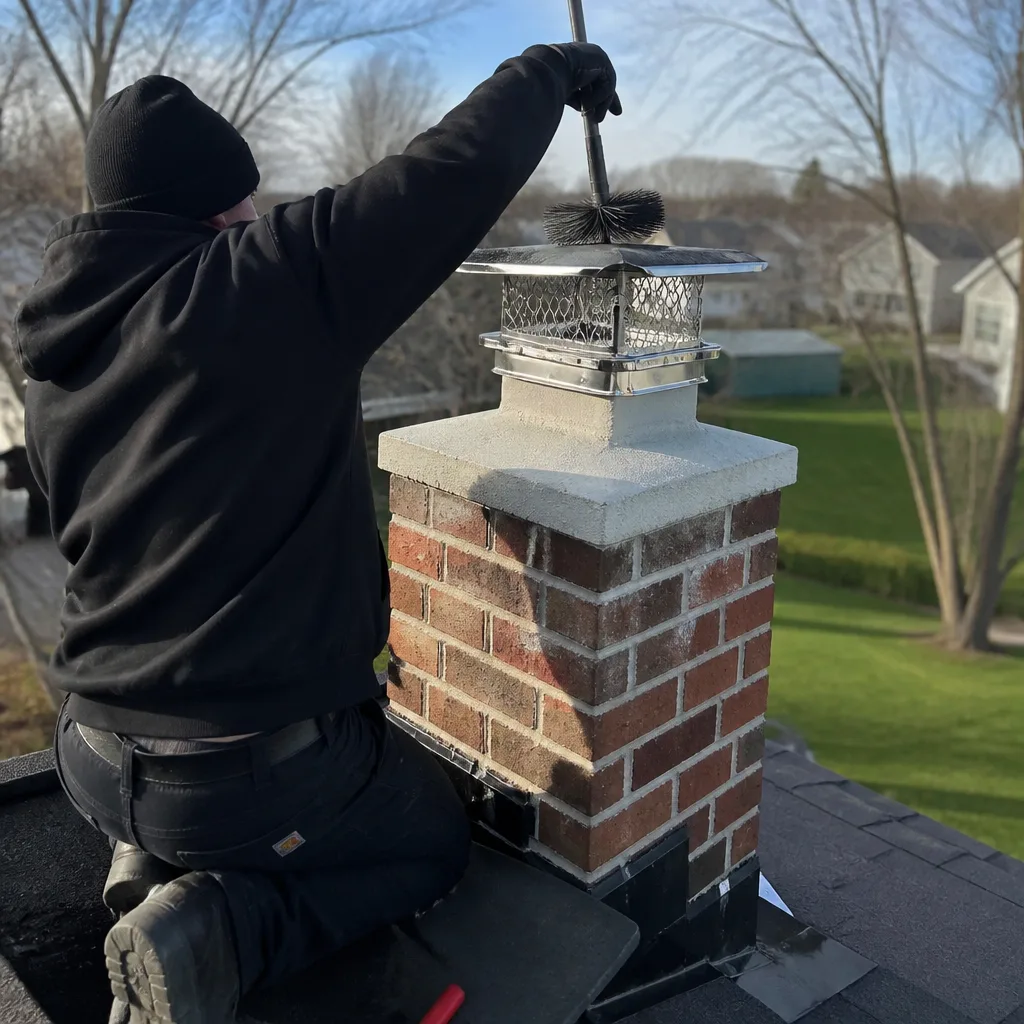
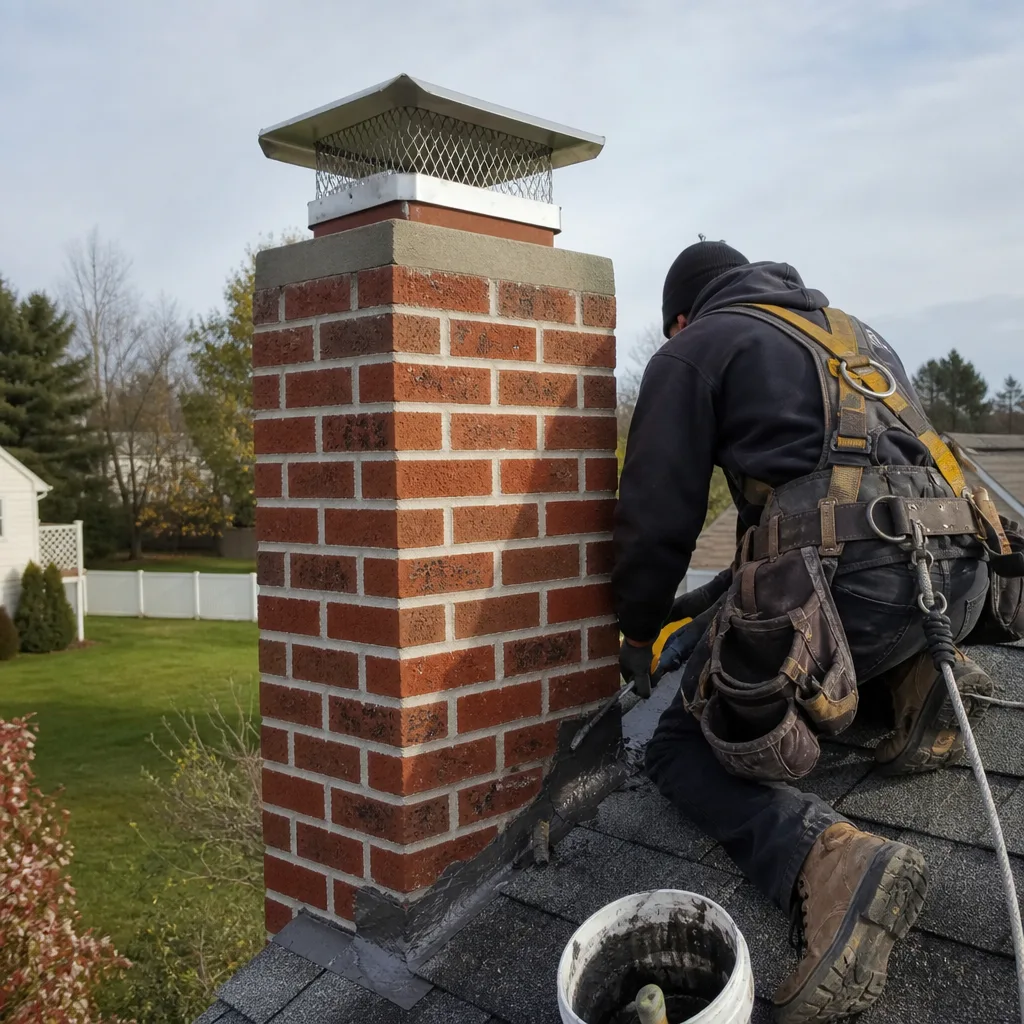
Level 1 sweep and inspection to the NFPA 211 annual standard - flue, crown, cap, and flashing checked and photographed
Chimney sweep logs do not sweep chimneys. They loosen some creosote - which then falls where a brush and vacuum still have to collect it.
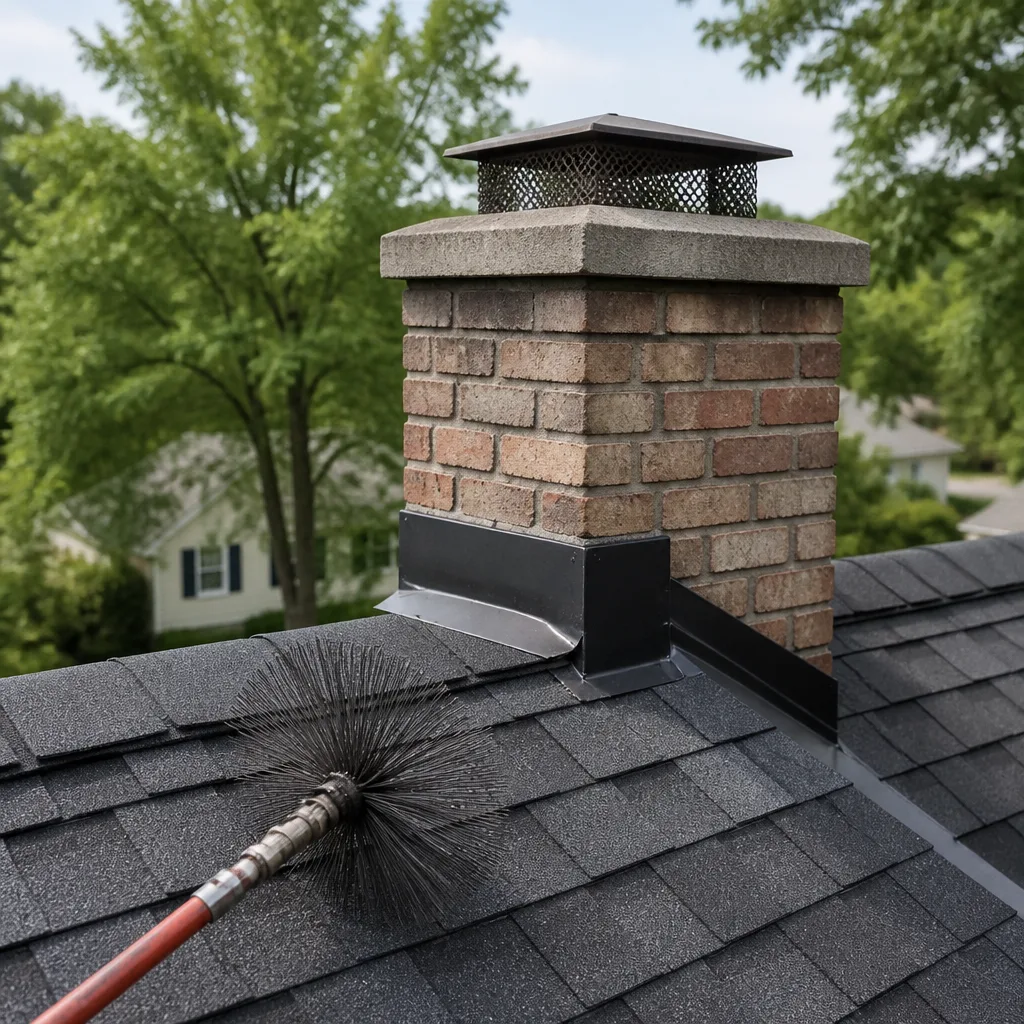
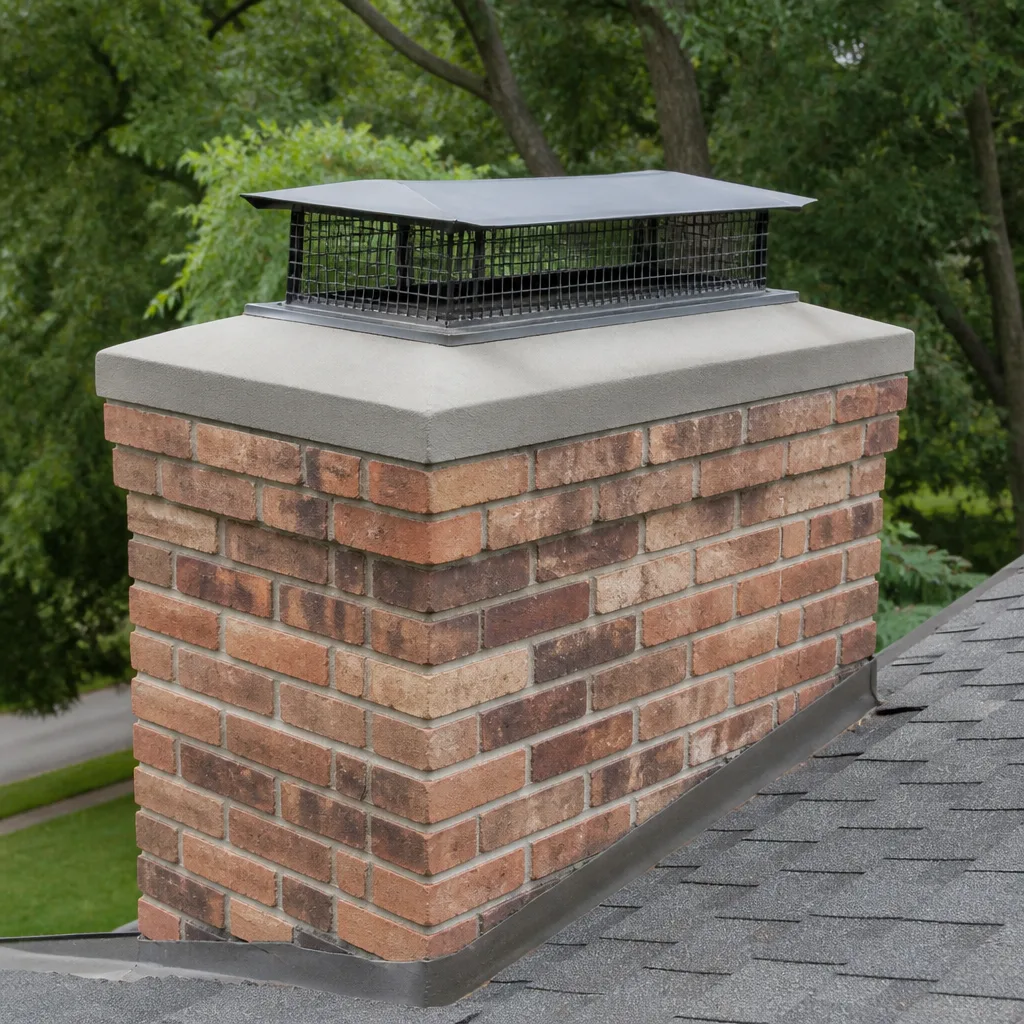
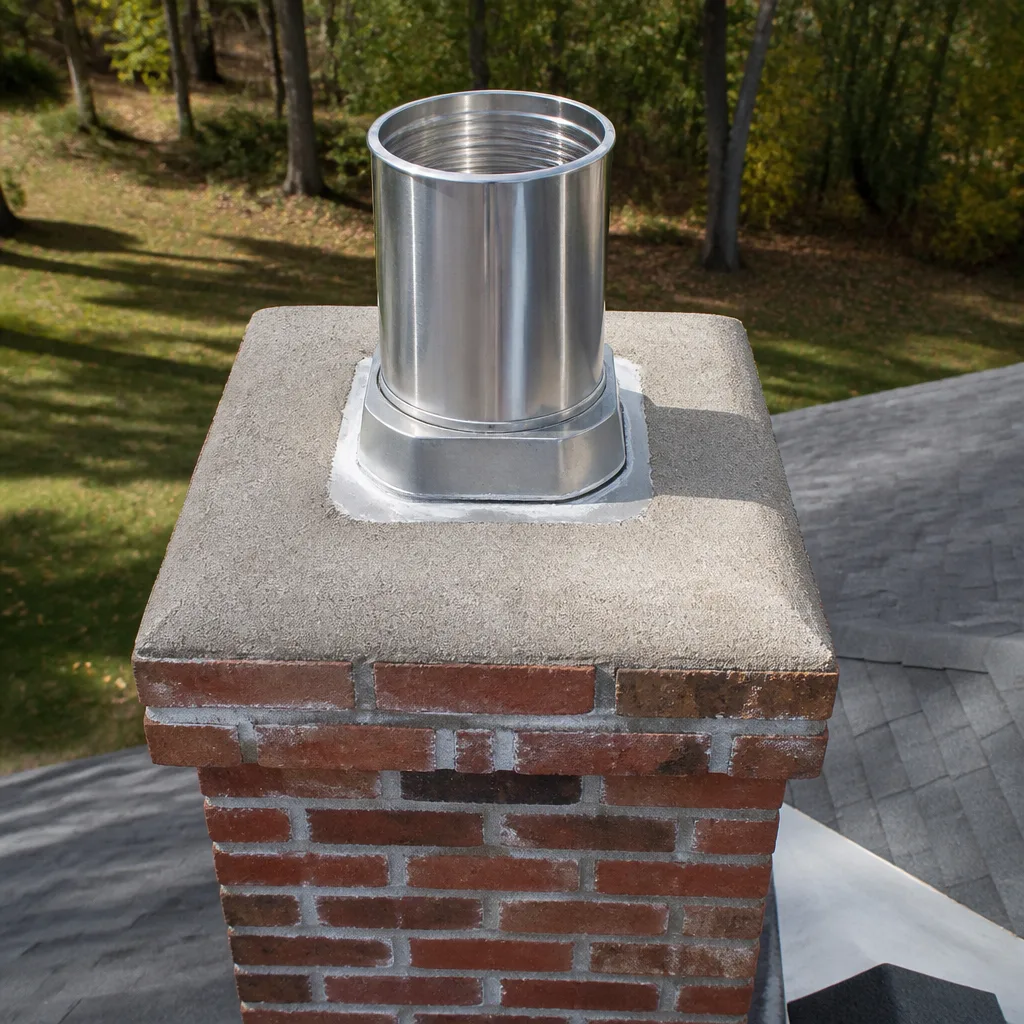
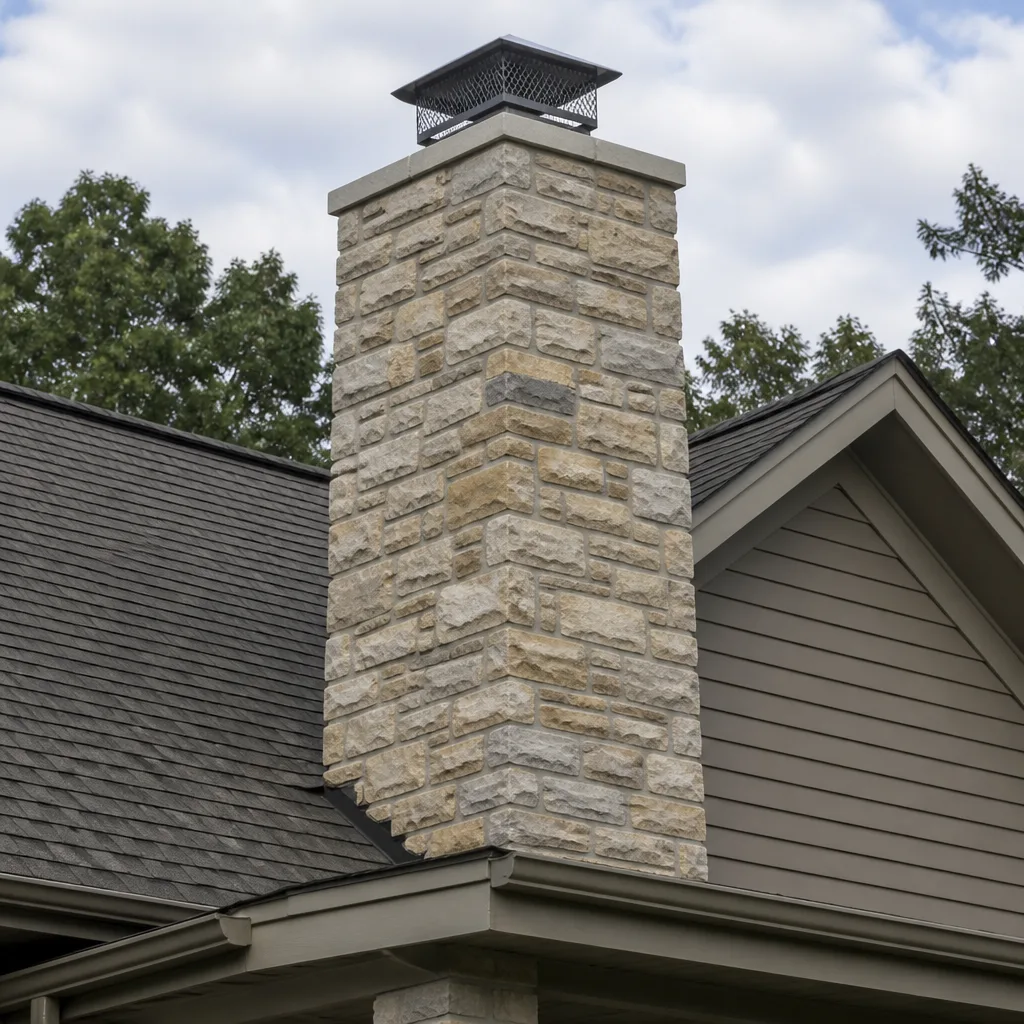
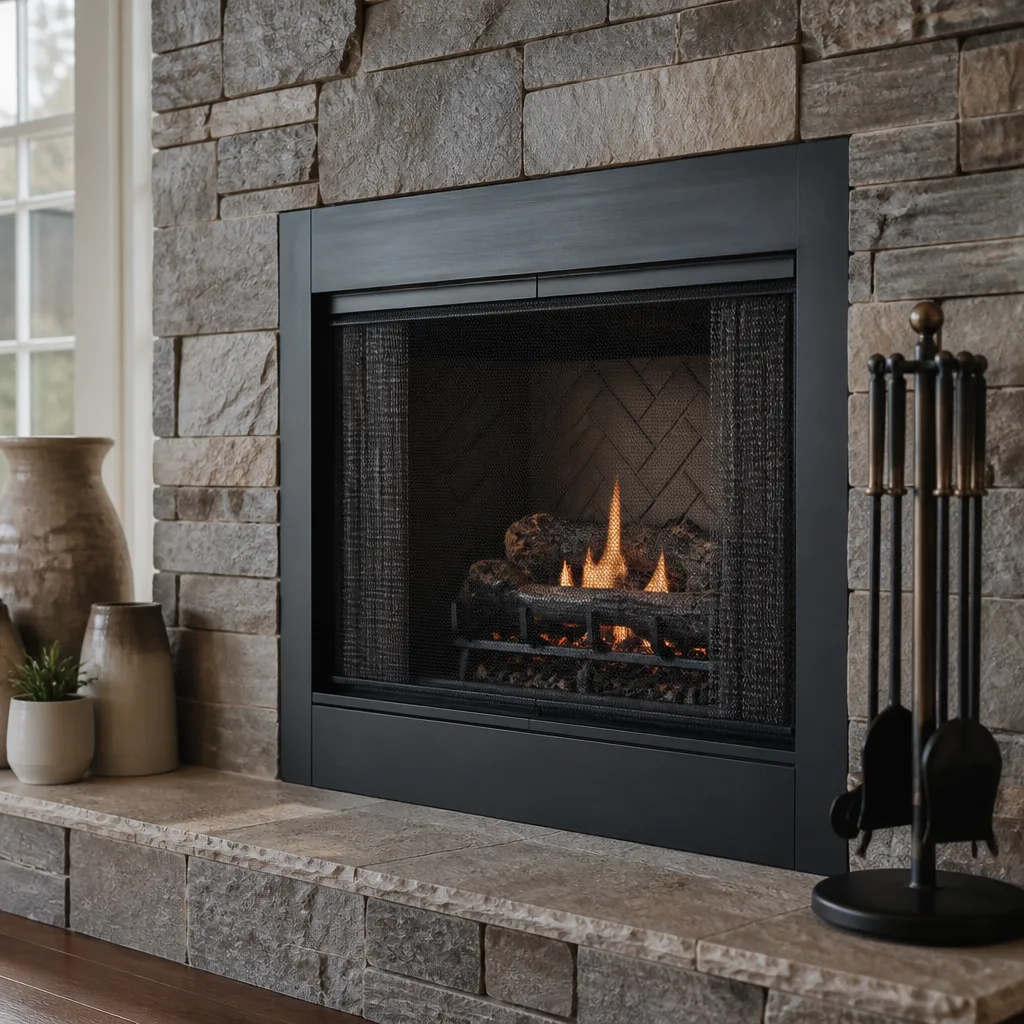
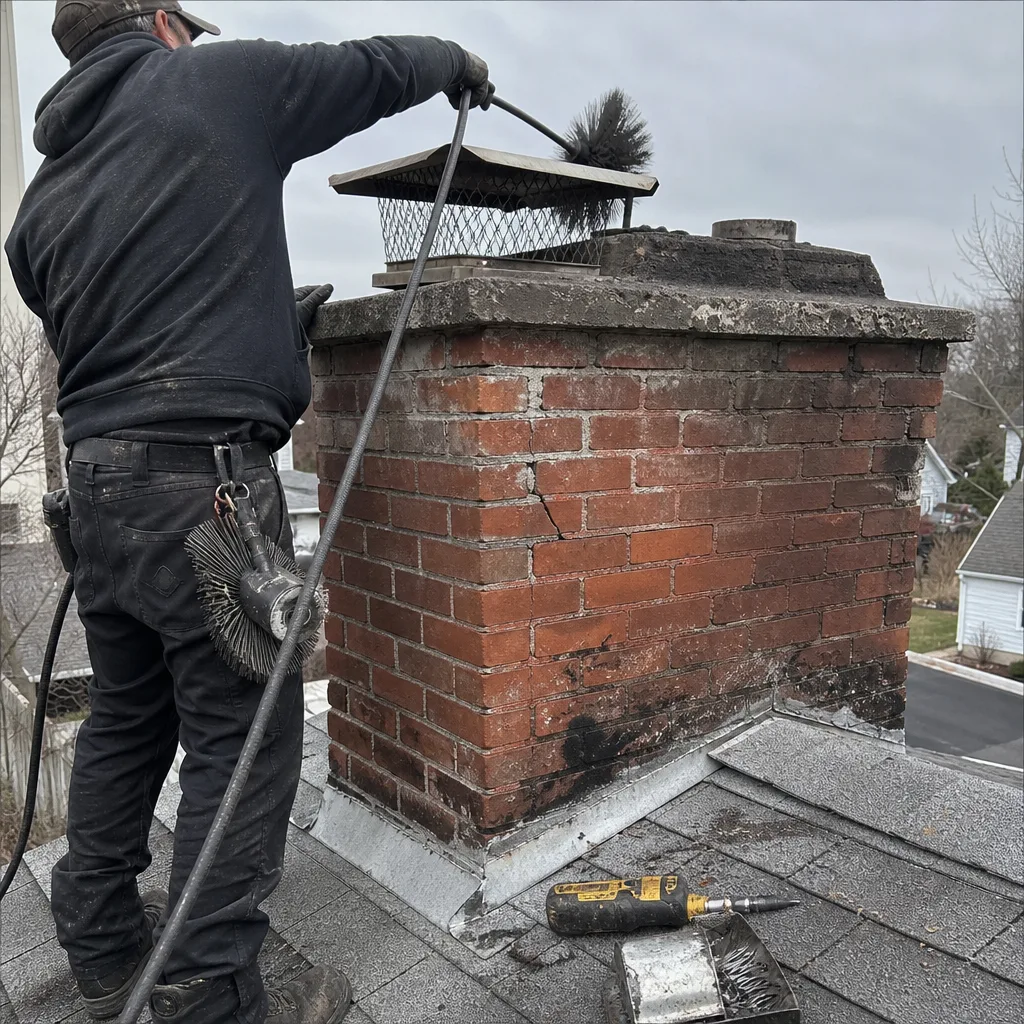 Before
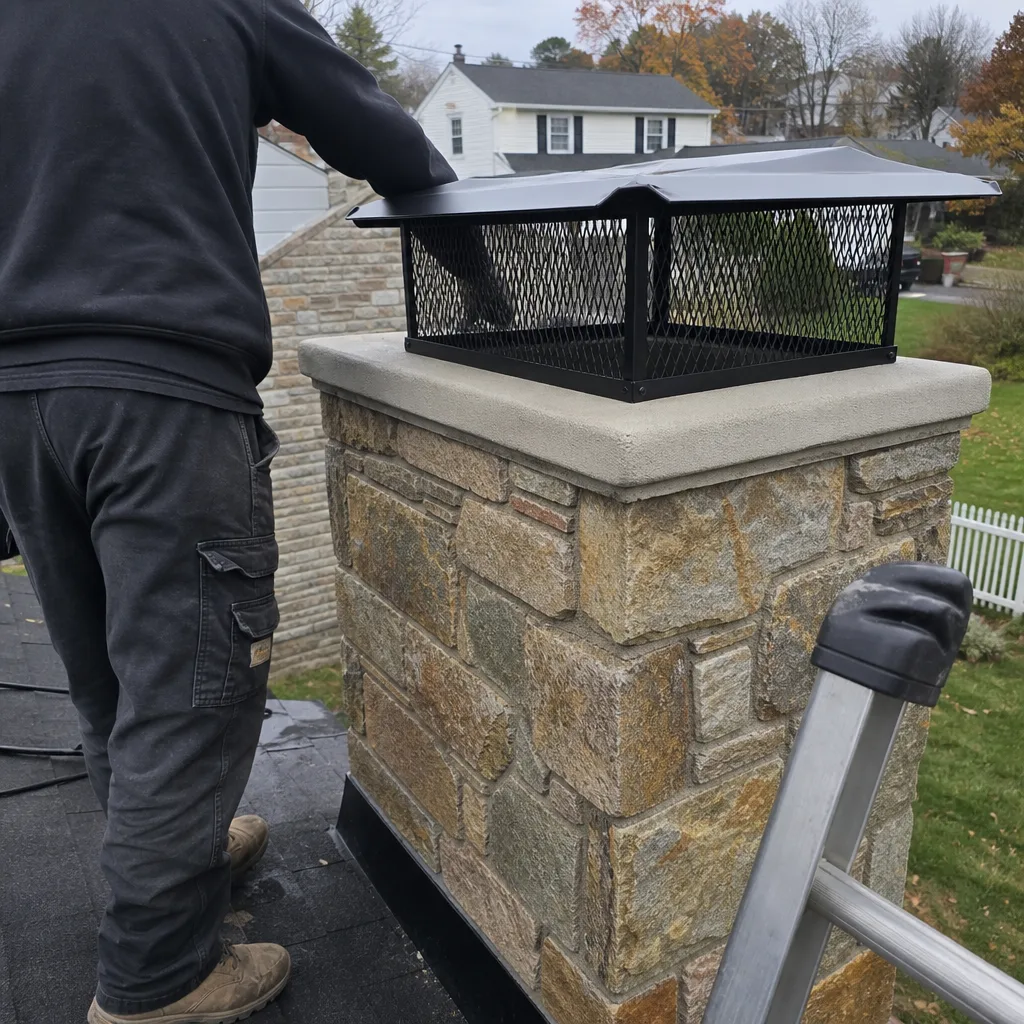 After
After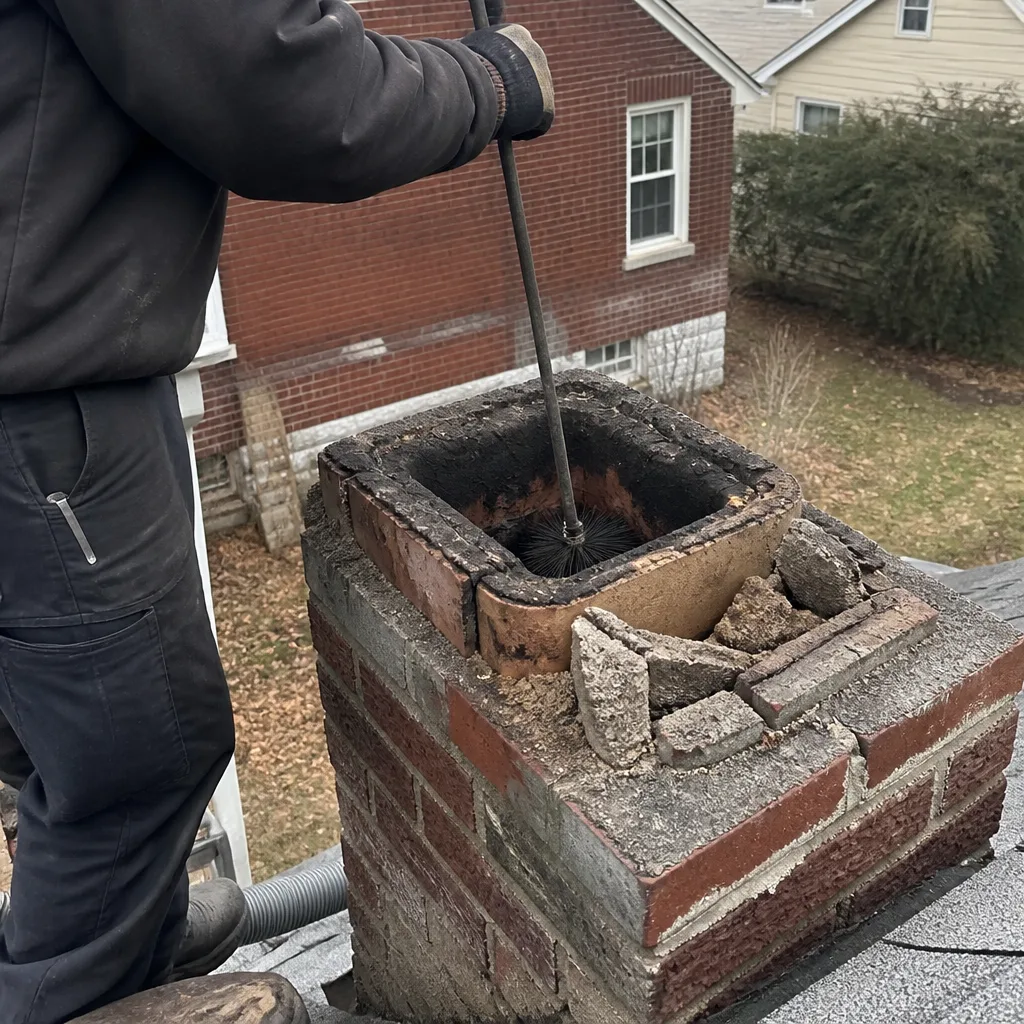 Before
 After
After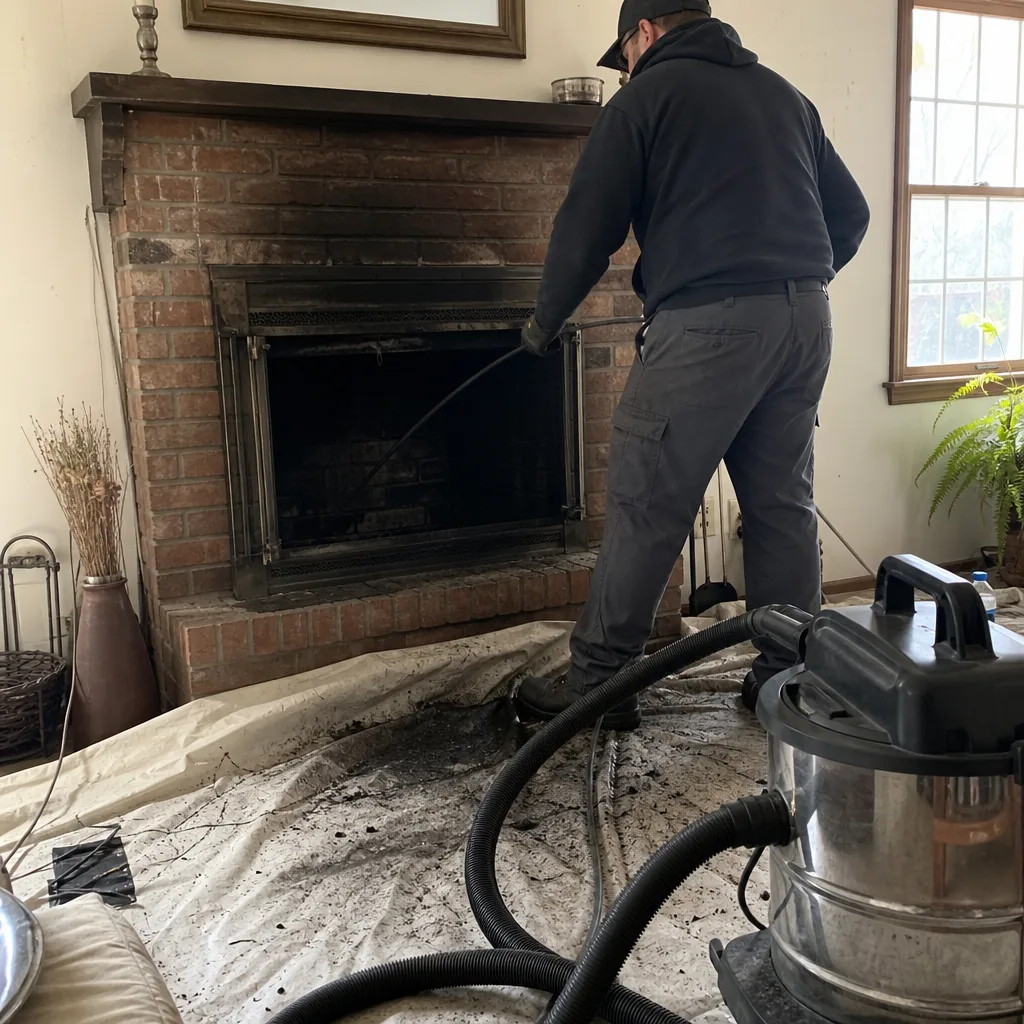 Before
 After
AfterDIY vs Professional Chimney Cleaning: The Allentown Homeowner’s Decision Guide
Here’s something most hardware stores won’t tell you: the chimney brush kit they sell for $45 will absolutely move creosote. We’ve seen the results in Allentown homes for over 42 years. The problem isn’t whether a homeowner can scrape soot from a flue wall. The problem is what happens when the soot clears and something worse is staring back - a cracked liner, a deteriorated smoke shelf, or Stage 3 creosote baked into glazed tar that no brush will touch. In this guide, we’ll walk through exactly what DIY chimney cleaning can accomplish, where it stops being useful, and why the inspection that follows the cleaning matters more than the cleaning itself.
Quick Answer
DIY chimney cleaning can handle light, powdery creosote in a straight, accessible flue, but it cannot assess liner condition, detect clearance violations, or remove glazed creosote safely. For Allentown homes - many with masonry chimneys dating to the 1950s-1970s - professional cleaning includes a Level-2 camera inspection that reveals what the brush cannot reach, as covered in our How to Hire a Chimney Cleaning Contractor in Allentown: A Step-by-Step Guide. The real risk isn’t the cleaning you skip; it’s the damage you don’t know exists.
Table of Contents
- What DIY Chimney Cleaning Can Actually Accomplish
- The Equipment Gap: Consumer Kits vs. Professional Tools
- Stage 1, 2, and 3 Creosote: Why the Type Matters
- What We Find in Allentown Homes After Years of DIY Cleaning
- The Insurance Question DIY Guides Don’t Answer
- The Smart Middle Ground: What to Do Between Professional Visits
- Cost Comparison: DIY vs. Professional in Allentown
- When to Call a Professional
What DIY Chimney Cleaning Can Actually Accomplish
Let’s start with what’s real. A homeowner with a basic brush kit, extension rods, and a shop vacuum can remove Stage 1 creosote from a relatively straight, unobstructed flue. Stage 1 creosote is the light, fluffy, black soot that builds up during a season of regular wood burning. It brushes off easily. If your Allentown home has a modern metal liner, a straightforward flue run, and you’ve been burning properly seasoned hardwood, you can push a brush through and collect a surprising amount of material.
We’ve seen it work. We’ve also seen what comes after.
The honest limits of DIY cleaning break down in several predictable ways:
- Access problems: Many Allentown homes in West End, Emmaus, and the older neighborhoods near Cedar Creek Park have chimney configurations with offset flues, multiple bends, or narrow thimbles that a standard brush cannot navigate. The rods bind. The brush skips sections. The homeowner assumes the job is done.
- Smoke shelf neglect: The smoke shelf - the flat area behind the damper - collects the heaviest, most combustible debris. It’s also the hardest to reach. Most consumer kits don’t include tools for this space, and it’s where some of the most dangerous buildup hides.
- No documentation: When you clean your own chimney, no one documents the condition before or after. If a problem develops later, there’s no baseline, no photos, no professional assessment to reference.
- The false confidence problem: A clean-looking flue from the bottom can mask serious issues higher up. We’ve pulled brushes from DIY-cleaned chimneys that looked fine from the fireplace opening but had cracked flue tiles or missing mortar joints twenty feet above.
DIY cleaning is a maintenance task, not a replacement for inspection. The distinction matters because Pennsylvania building codes and most insurance policies treat them differently. Cleaning removes combustible material. Inspection determines whether the system is safe to use. One does not substitute for the other.
For homeowners in Allentown’s historic districts - the homes near Hamilton Street, the brick colonials in Salisbury Township, the stone farmhouses on the city’s edges - the chimneys often have stories written in their masonry that no brush can read. Settlement cracks from the region’s freeze-thaw cycles. Liner deterioration from decades of coal conversion. Clearance reductions from insulation retrofits done in the 1980s. These aren’t cleaning problems. They’re inspection findings.
The Equipment Gap: Consumer Kits vs. Professional Tools
The brush kit at the big-box store costs $35 to $65. It includes polypropylene or wire bristles, four to six extension rods, and maybe a basic scraper. Here’s what a professional chimney sweep brings to an Allentown home that no consumer kit includes:
| Tool | Purpose | What It Reveals |
|---|---|---|
| Rotary cleaning system (Chim-Scan or similar) | Spinning wire or chain whip at controlled speed | Removes glazed creosote; polishes flue walls to bare surface for accurate inspection |
| Video inspection camera | 360-degree view of entire flue interior | Cracks, gaps, missing mortar, animal nests, liner separation - documented with photos |
| Combustion gas analyzer | Measures CO, O2, draft pressure | Spillage, backdrafting, or insufficient draft that could force carbon monoxide into living space |
| Creosote modification chemicals | Applied to glazed deposits before mechanical removal | Breaks down Stage 3 creosote safely without damaging flue tile or liner |
| Professional-grade vacuum (HEPA, spark-resistant) | Containment of fine particulate | Prevents soot dispersal into home; protects technician and homeowner from respirable silica and creosote particles |
| Mirror and light systems for smoke chamber inspection | Visual assessment of smoke chamber and shelf | Parging deterioration, clearance violations, structural concerns in the transition area |
The critical gap isn’t just tool quality. It’s diagnostic capability. A rotary system doesn’t merely clean better - it prepares the flue surface so that when the camera follows, every crack and gap is visible against clean tile. A dirty flue hides defects. A properly cleaned flue reveals them.
In our experience across Allentown and the Lehigh Valley, the homes that worry us most aren’t the ones that never get cleaned. They’re the ones that get cleaned just enough to look okay from the bottom, while serious deterioration continues above the roofline. The camera changes that equation entirely. When a homeowner sees a photo of a cracked flue tile or a gap where mortar has fallen away, the decision becomes obvious. Without that image, they’re guessing.
We use inspection cameras on every Level-2 inspection, and we provide the photos with a plain-English verdict. No jargon, no scare tactics. Just: here’s what we found, here’s what it means, here’s what we recommend and why. That documentation also becomes valuable if you sell your home, file an insurance claim, or simply want a record of your chimney’s condition over time.
Stage 1, 2, and 3 Creosote: Why the Type Matters
Not all creosote is equal. Understanding the three stages explains why DIY cleaning has a hard ceiling - and why hitting that ceiling can be dangerous.
Stage 1 creosote is light, flaky, and black. It brushes off with minimal effort. A homeowner with a basic kit can remove it from accessible surfaces. This is what most people picture when they think “soot.” If you’re burning dry, seasoned hardwood and maintaining hot fires with adequate air, this is primarily what you’ll produce.
Stage 2 creosote has begun to harden. It looks like shiny black flakes or small tar-like chips. It requires more aggressive brushing, and it often adheres to flue joints and irregular surfaces that a standard brush misses. Consumer kits struggle here. The rods flex. The brush skips. The homeowner either gives up or assumes the job is done while significant buildup remains.
Stage 3 creosote is the serious one. It’s a glossy, hardened, tar-like coating - sometimes called glazed creosote - that can be a quarter-inch thick or more. It forms when wood burns slowly, when the flue is oversized for the appliance, or when unseasoned wood is burned regularly. Stage 3 creosote cannot be brushed out by hand. Attempting to do so risks damaging flue tiles, dislodging liner sections, or simply scattering hot embers into the smoke shelf where they can ignite hours after the fire is out.
Here’s where Allentown’s climate enters the picture. Our cold, damp winters - especially the wet shoulder seasons of late fall and early spring - encourage slow, smoldering fires. Homeowners light a fire to take the chill off, damp it down before bed, and repeat for months. This pattern produces Stage 2 and Stage 3 creosote faster than the hot, quick burns of drier climates. We’ve removed glazed deposits from Allentown chimneys that looked clean from the fireplace opening but had thick, ignitable coating above the damper where no homeowner’s brush could reach.
The removal of Stage 3 creosote requires chemical modification first, then mechanical removal with a rotary system at controlled speed. Rush it and you can crack flue tile. Skip the chemical step and the creosote simply polishes to a harder glaze. This is not a DIY procedure. The National Fire Protection Association (NFPA) guidelines and the Chimney Safety Institute of America (CSIA) training protocols exist specifically because improper removal has caused chimney fires and structural damage.
We assess creosote type before we choose a cleaning method. Sometimes a standard brush pass is sufficient. Sometimes we need the full rotary treatment with chemical pre-treatment. The homeowner doesn’t make that call - and shouldn’t have to. The inspection determines the approach.
What We Find in Allentown Homes After Years of DIY Cleaning
We’ve been sweeping chimneys in Allentown since 1984. After four decades, certain patterns repeat. The homeowner who has been “doing it myself for years” often calls us for one of three reasons: a neighbor had a chimney fire, they’re selling the house and the inspector flagged something, or they finally looked up the flue with a flashlight and didn’t like what they saw.
Here’s what we typically find in that first professional inspection after years of DIY maintenance:
- Skipped smoke shelf: The area behind the damper is packed with compacted soot, fallen debris, and sometimes nesting material. The homeowner’s brush never reached it. In some Allentown homes built in the 1960s and 1970s, we’ve removed ten pounds or more of material from this space alone.
- Cracked flue tiles above the reachable zone: The bottom third of the flue looks fine - that’s what the homeowner could see and reach. Above that, thermal stress from years of heating and cooling has caused vertical cracks in the terracotta flue tiles. Water from Allentown’s driving rains has entered through a deteriorated crown and accelerated the damage. The cracks are invisible from below but clearly visible on camera.
- Liner displacement or gaps: Homes that converted from coal to oil to gas, or from wood to pellet inserts, often have liner systems that don’t quite fit the original flue. Gaps at joints, unsupported sections, or liners that terminate short of the top are common. A brush passing through can catch on these irregularities, worsening the problem without the homeowner knowing.
- Clearance violations from decades of renovation: The original chimney was built with proper clearances to combustibles. Then someone added insulation, framed a wall closer, or ran electrical in the chase. The DIY cleaner has no way to assess this. Our inspection includes accessible clearance checks and flags violations that violate NFPA 211.
- Hidden water damage: Allentown’s freeze-thaw cycle is hard on masonry. Water enters through a cracked crown, damaged flashing, or porous brick. It freezes, expands, and spalls the brick face. Inside, it deteriorates mortar joints and rusts metal components. The homeowner sees a clean flue. We see a chimney structure that is slowly failing from the outside in.
In the West End neighborhoods near Cedar Beach Park, we’ve found original 1920s chimneys with no liner at all - just bare brick that a homeowner had been brushing for years, unaware that the mortar between courses was powdering and the flue gases were migrating into wall cavities. In the newer developments near Trexler Park, we’ve found factory-built chimneys with damaged factory liners where DIY cleaning dislodged the critical insulation blanket.
The common thread: cleaning happened. Inspection did not. And inspection is what would have caught each problem before it became expensive or dangerous.
The Insurance Question DIY Guides Don’t Answer
This section makes some homeowners uncomfortable. It should.
Most homeowner’s insurance policies contain language about “proper maintenance” or “regular professional servicing” for heating systems, including fireplaces and solid-fuel appliances. The exact wording varies by carrier, but the intent is consistent: if a loss occurs and the insurer determines that maintenance was inadequate, they may deny or reduce the claim.
Here’s the scenario. You’ve been cleaning your own chimney for five years. A chimney fire occurs. The fire department responds. The damage is significant - not just the chimney, but smoke and water damage to adjacent rooms, maybe roof damage from fire department ventilation. You file a claim. The adjuster asks for maintenance records. You have none, or you have receipts for brush kits and nothing else.
Some policies specifically require annual inspection by a CSIA-certified sweep or equivalent professional. Others use broader language about “qualified service personnel.” A few are silent on the issue, relying instead on general negligence standards. The problem for the homeowner is that you likely don’t know which category your policy falls into until you’re already in a dispute.
We are not insurance advisors, and policy language changes. What we can say from 42 years in this field: the homeowners who fare best after chimney-related losses are those who have documented professional inspections with photos, written reports, and dated invoices. The documentation doesn’t prevent the fire, but it prevents the insurer from claiming that maintenance negligence contributed to it.
For Allentown homeowners in older properties - and many of our neighborhoods date to eras when coal was king and chimneys were built accordingly - this documentation is especially valuable. Insurance underwriters know that pre-WWII chimneys often have no liner, that mid-century conversions were sometimes done hastily, and that decades of Allentown weather have taken a toll. A professional inspection report that shows proactive maintenance and current condition can be the difference between a covered loss and a denied claim.
Our Level-2 inspections include dated photo documentation and a written condition assessment. We keep copies. The homeowner keeps copies. If you ever need them, they exist. If you never need them, you have the peace of mind that comes from knowing your chimney’s actual condition - not your optimistic assumption about it.
The Smart Middle Ground: What to Do Between Professional Visits
We don’t argue that homeowners should do nothing between professional cleanings. There’s a useful middle ground, and we encourage it. The key is understanding which tasks supplement professional care and which substitute for it falsely.
What you can and should do yourself:
- Visual check of the firebox: Once a month during burning season, look at the firebrick and refractory panels. Hairline cracks are normal; gaps or missing pieces need attention. This takes two minutes and requires no tools.
- Ash removal: Remove ashes when they approach the bottom of the grate or fill the ash pit. Leave an inch of ash for insulation. Use a metal container with a tight lid, set it on a non-combustible surface away from the house, and let it sit for at least three days before disposal. Allentown’s windy days can scatter hot embers surprisingly far.
- Damper operation: Open and close the damper fully before each fire. It should move smoothly and seal reasonably when closed. A damper that won’t open fully or that leaks significantly needs professional adjustment.
- Cap and crown visual inspection from ground level: With binoculars, check that the cap is present, straight, and not visibly damaged. Look for missing mortar on the crown, the concrete slab at the top. If you see deterioration, call before water enters.
- Burning practices: Burn only seasoned hardwood (moisture content below 20%). In Allentown, that typically means wood split and stacked for at least 12 months. Avoid burning pine as primary fuel - it produces more creosote. Never burn treated lumber, painted wood, or household trash.
What looks like maintenance but isn’t:
- Creosote sweeping logs: These modify creosote chemically, making it somewhat easier to remove. They do not remove it. They do not inspect anything. Used as a substitute for cleaning, they create a false sense of security.
- Shop vacuuming the firebox: Useful for ash removal, but the fine particulate from creosote and soot requires HEPA containment. Standard shop vacs blow respirable particles back into your living space. If you vacuum the firebox, use a vacuum rated for ash and fine soot, or leave it for the professional’s equipment.
- Roof-level inspection without proper equipment: Allentown’s older homes often have steep roofs and slate or tile surfaces that are treacherous when wet or mossy. We’ve responded to emergency calls that started as DIY inspections. The emergency wasn’t the chimney. It was the fall.
The honest middle ground is this: tend to the daily and weekly tasks that keep your system running cleanly, and schedule professional inspection and cleaning on a cycle appropriate to your use. For Allentown homeowners who burn regularly through the heating season, that’s typically annually. For occasional decorative fires, every two years may suffice. The inspection determines the appropriate interval - not the calendar, not habit, and certainly not the assumption that “it was fine last year.”
Cost Comparison: DIY vs. Professional in Allentown
Let’s talk numbers plainly, because the cost question is real and deserves a straight answer - see our Chimney Cleaning Cost Breakdown: The Allentown Homeowner’s Reference for 2026.
DIY chimney cleaning costs:
- Basic brush and rod kit: $35-$65
- Extension rods (if needed for taller chimneys): $20-$40
- Shop vacuum or ash-rated vacuum: $80-$200 (or use existing)
- Drop cloths, dust masks, safety glasses: $25-$50
- Replacement brushes (annual, if used): $15-$30
- First-year total: $155-$385
- Ongoing annual cost: $30-$60 in consumables
Professional chimney cleaning and inspection in Allentown:
- Standard cleaning with Level-1 visual inspection: $150-$250
- Cleaning with Level-2 camera inspection: $250-$400
- Additional services if needed (crown repair, cap installation, etc.): priced separately with upfront estimate
The price overlap is narrower than many homeowners assume. A first-year DIY setup with proper equipment approaches the cost of professional service. The difference is what you receive: not just cleaning, but documented inspection, professional assessment, and the liability protection of a licensed, insured service with a warranty.
At Hearthstone Chimney Co., we offer a seasonal tune-up at $89 that includes basic cleaning and inspection for straightforward systems. For most Allentown homeowners, that’s less than the first-year DIY investment and includes our 90-Day Done Right Promise. If it’s not right, we make it right - in writing, no arguing.
We also provide free second opinions on any written estimate. If another company has recommended extensive work, we’ll inspect and give you our assessment with photos you can see. Sometimes the work is necessary. Sometimes it isn’t. You deserve to know which.
The hidden cost of DIY isn’t in the equipment. It’s in the problems you don’t find until they’re expensive: the cracked liner that requires relining, the water-damaged crown that needs rebuilding, the clearance violation that requires reframing. Caught early, these are manageable. Caught late, they’re thousands. The camera inspection that finds a $300 problem today prevents the $3,000 problem next year.
When to Call a Professional
Certain situations don’t permit DIY approaches at all. Call a professional if any of the following apply:
- You’ve never had a professional inspection and your home is more than 20 years old
- You smell smoke in rooms other than where the fireplace is located
- You see visible cracks in the firebox, smoke chamber, or exterior masonry
- Your fires burn poorly, smoke back into the room, or require constant tending to stay lit
- You’ve had a chimney fire, however small - even if it seemed to self-extinguish
- You’re buying or selling a home in Allentown and need documentation for the transaction
- You’re converting fuel types or installing a new insert or stove
- You’ve found debris, animal nesting material, or unexplained blockages
These aren’t cleaning situations. They’re diagnostic and potentially repair situations that require training, tools, and the documentation that protects your home and your insurance coverage.
Hearthstone Chimney Co. offers free estimates in Allentown. Call (610) 632-1394 and a live person will answer, 24 hours a day, every day. We’ll schedule a time that works, show up when we say, and give you a plain-English verdict with photos you can see. No pressure, no surprises on the bill. Done right - and we stand behind it.
Common Mistakes to Avoid
- Assuming a clean-looking firebox means a clean flue. The firebox is the easiest part to see and clean. The flue above can be heavily coated while the firebox looks fine. In Allentown’s hillside homes with exterior chimneys, we’ve found severe flue deterioration invisible from below.
- Using a brush that’s wrong for the liner type. Wire brushes on stainless steel liners cause scoring that accelerates corrosion. Poly brushes on heavy creosote simply polish it. The right tool for the material matters, and most homeowners don’t know what liner they have until damage is done.
- Cleaning from the top down without proper roof safety. Allentown’s combination of older homes, steep pitches, and icy winters makes roof work genuinely hazardous. Falls from roof-level chimney work are among the most common serious injuries in DIY home maintenance. The chimney isn’t the danger. The height is.
- Burning creosote sweeping logs and calling it “cleaned.” These products modify creosote chemically but do not remove it. They can make subsequent professional cleaning more difficult if the modified creosote has hardened in place. They’re a supplement, never a substitute.
- Ignoring the smoke chamber and smoke shelf. This area collects the most combustible material and is the least accessible. Most DIY cleaning skips it entirely. Professional cleaning includes this space because it’s where many chimney fires originate.
- Waiting for a problem before calling. By the time you smell smoke where it shouldn’t be, or see visible damage, or hear the telltale roar of a chimney fire, the preventive opportunity has passed. Regular inspection catches problems before they announce themselves dramatically.
- Choosing a sweep based on price alone. The lowest-priced service often skips the camera inspection, sends unscreened technicians, or recommends unnecessary work to make up the margin. Ask about licensing, insurance, certification, and what’s included. A legitimate professional answers directly.
Frequently Asked Questions
A standard cleaning with Level-1 visual inspection typically runs $150-$250 in the Allentown market. A cleaning with Level-2 camera inspection, which we recommend for most homes over 20 years old, ranges from $250-$400 depending on accessibility and system complexity. Our $89 Seasonal Tune-Up offers basic service at a lower entry point for straightforward systems. Call (610) 632-1394 for an exact quote - estimates are free.
The NFPA recommends annual inspection for all solid-fuel systems, with cleaning as needed based on creosote accumulation - explore more guides & resources for maintaining your system. For Allentown homeowners who burn regularly through the heating season - especially with the region’s damp winters that encourage slower, smokier fires - annual cleaning is prudent. Occasional decorative fires may allow a two-year interval, confirmed by inspection. The inspection determines the interval, not the calendar.
A legitimate liner recommendation comes with photographic evidence and a clear explanation of the defect. Cracked flue tiles, gaps between tiles, or missing mortar joints visible on camera are objective findings. At Hearthstone, we show you the photos and explain your options, including whether the repair can wait and what the risks of waiting are. Our free second opinion service exists precisely because we know homeowners have been pressured elsewhere. Get another look if you’re uncertain.
Skipped cleaning allows creosote to accumulate. Stage 1 becomes Stage 2, Stage 2 becomes Stage 3. The risk of chimney fire increases proportionally. More subtly, accumulated creosote reduces flue diameter, impairing draft and causing smoke to back up into living spaces. In Allentown’s tightly built older homes, this can force carbon monoxide into bedrooms and living areas. The risk isn’t just fire - it’s chronic exposure to combustion byproducts. Call (610) 632-1394 if you’re behind schedule; we’ll get you caught up without judgment.
Gas fireplaces don’t produce creosote, but they do require inspection. Ceramic logs deteriorate, valves and connections can leak, and the venting system needs verification. DIY cleaning of a gas system is largely pointless; the relevant service is inspection and testing with proper equipment. We handle gas fireplace service as part of our fireplace services in Allentown, including operational testing and safety checks.
A Level-1 inspection includes visual examination of readily accessible portions of the chimney exterior, interior, and connecting appliance. A Level-2 inspection, which we recommend for most Allentown homes, adds video scanning of the flue interior, accessible portions of attics and crawl spaces, and evaluation of clearances to combustibles. It produces dated photos, a written condition report, and specific recommendations with priority levels. You receive documentation you can keep, share with insurers, or reference when selling your home.
Not inherently, but they have different risk profiles. Pre-1940s chimneys often lack liners entirely, relying on thick masonry that may have deteriorated. Mid-century chimneys may have clay tile liners that have cracked from thermal cycling or been damaged by chimney fires past owners didn’t disclose. Post-1980s chimneys are more likely to have proper liners but may have installation issues from the era’s rapid construction. Age isn’t the problem. Uninspected age is. Our chimney repair in Allentown addresses these specific patterns.
The Bottom Line
DIY chimney cleaning has its place. It can handle light creosote in accessible systems, and the routine maintenance you do between professional visits matters. But cleaning without inspection is maintenance without diagnosis - and diagnosis is what prevents chimney fires, carbon monoxide exposure, and the expensive repairs that follow undetected deterioration.
In Allentown’s climate, with its freeze-thaw cycles, its damp winters, and its stock of aging masonry chimneys, the inspection half of the equation is especially critical. The camera, the gas analyzer, and the trained eye that knows what Allentown chimneys typically hide - these aren’t luxuries. They’re the difference between knowing your chimney’s condition and hoping it’s fine.
We’ve been hoping with homeowners for over 42 years. We’d rather show you. Photos you can see, a plain-English verdict, and work done right with the 90-Day Done Right Promise behind it. That’s the Hearthstone standard.
Ready to know what your chimney actually looks like? Call Hearthstone Chimney Co. at (610) 632-1394 for a free estimate. A live person answers 24 hours a day, and we’ll schedule a time that works for you. We’ll be there when we say, show you what we find, and give you a square deal with no surprises on the bill.
Written by Russell Haines, Owner at Hearthstone Chimney Co., serving Allentown since 2014.