
Last updated September 10, 2026
Level 1 sweep and inspection to the NFPA 211 annual standard - flue, crown, cap, and flashing checked and photographed
Chimney sweep logs do not sweep chimneys. They loosen some creosote - which then falls where a brush and vacuum still have to collect it.
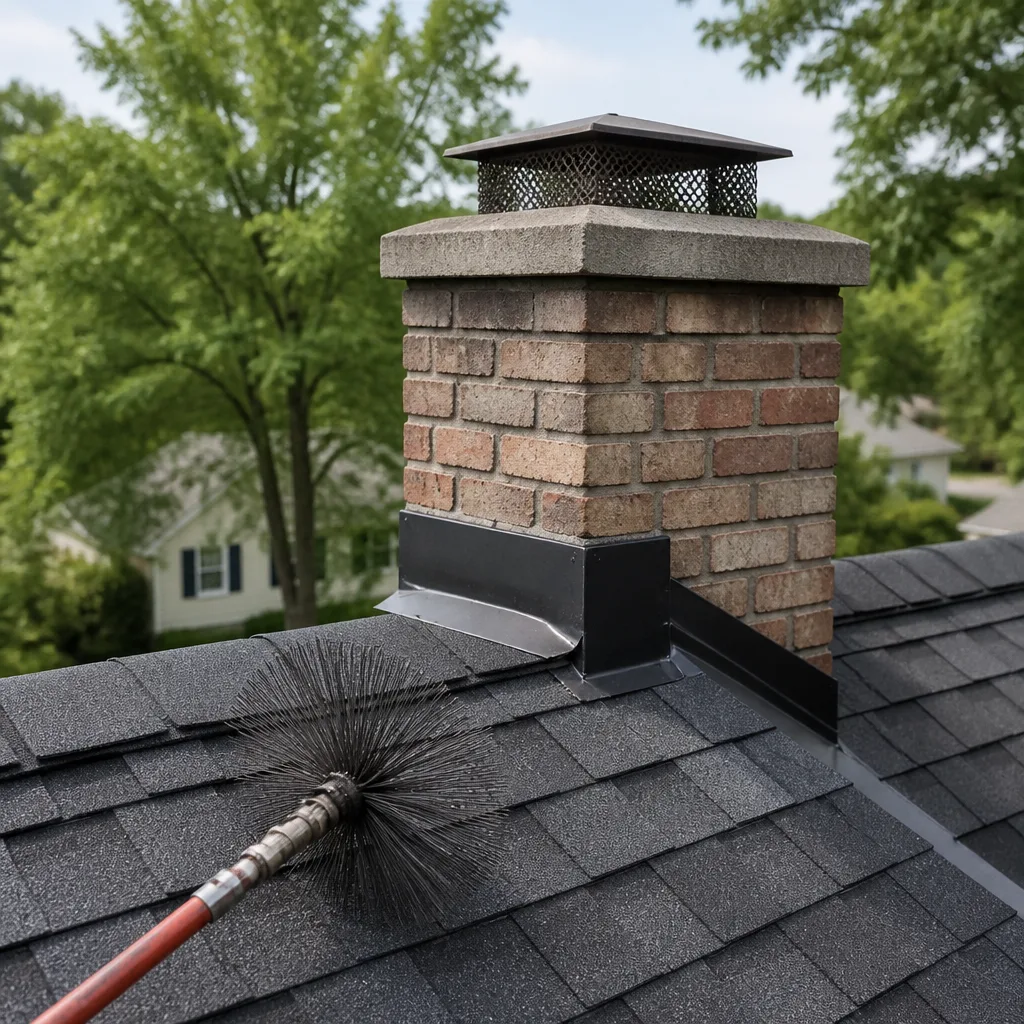
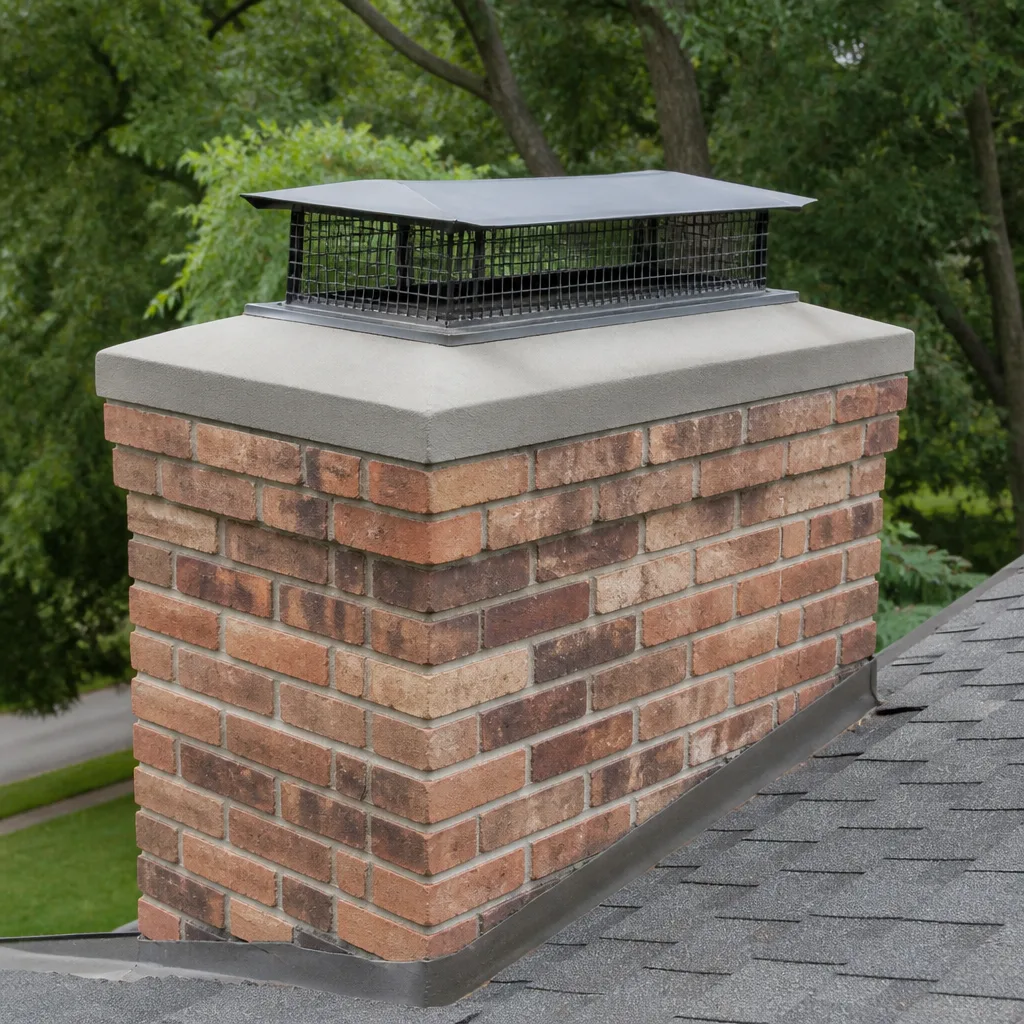
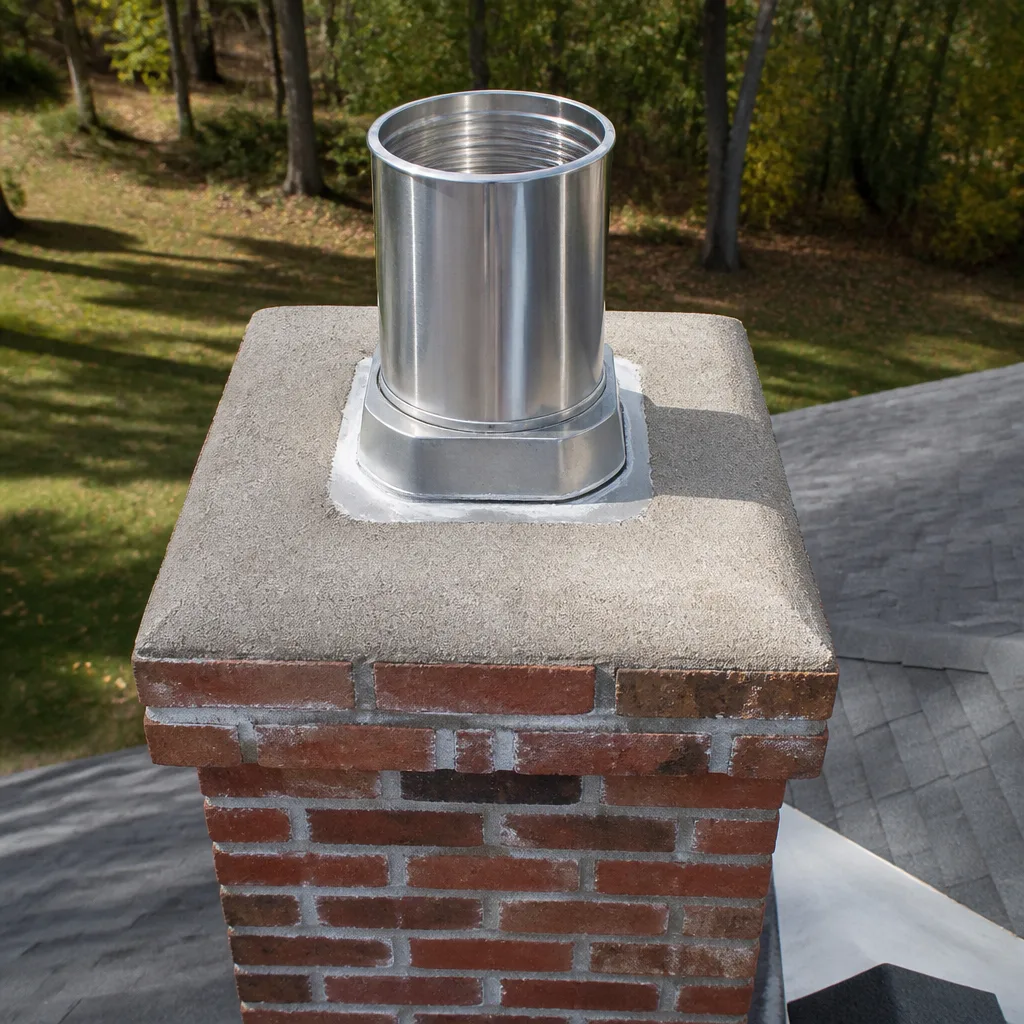
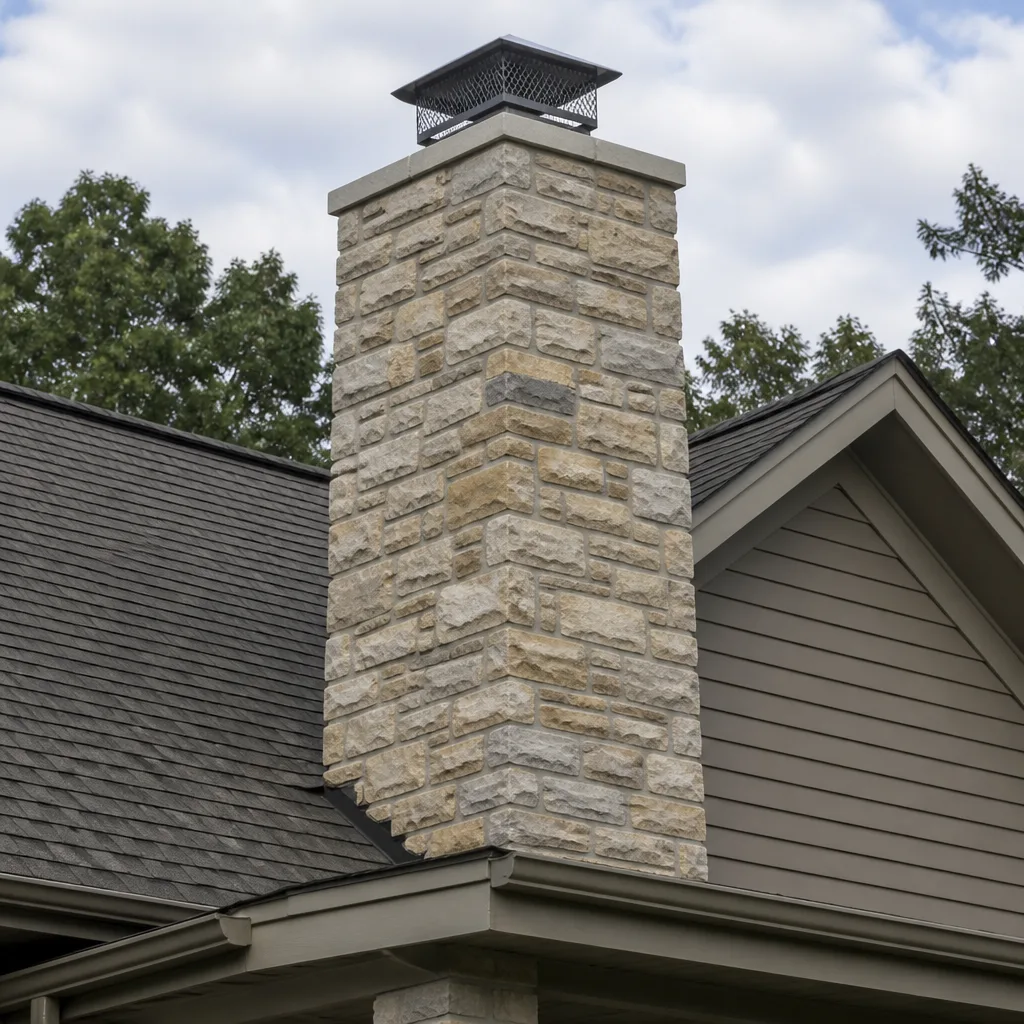
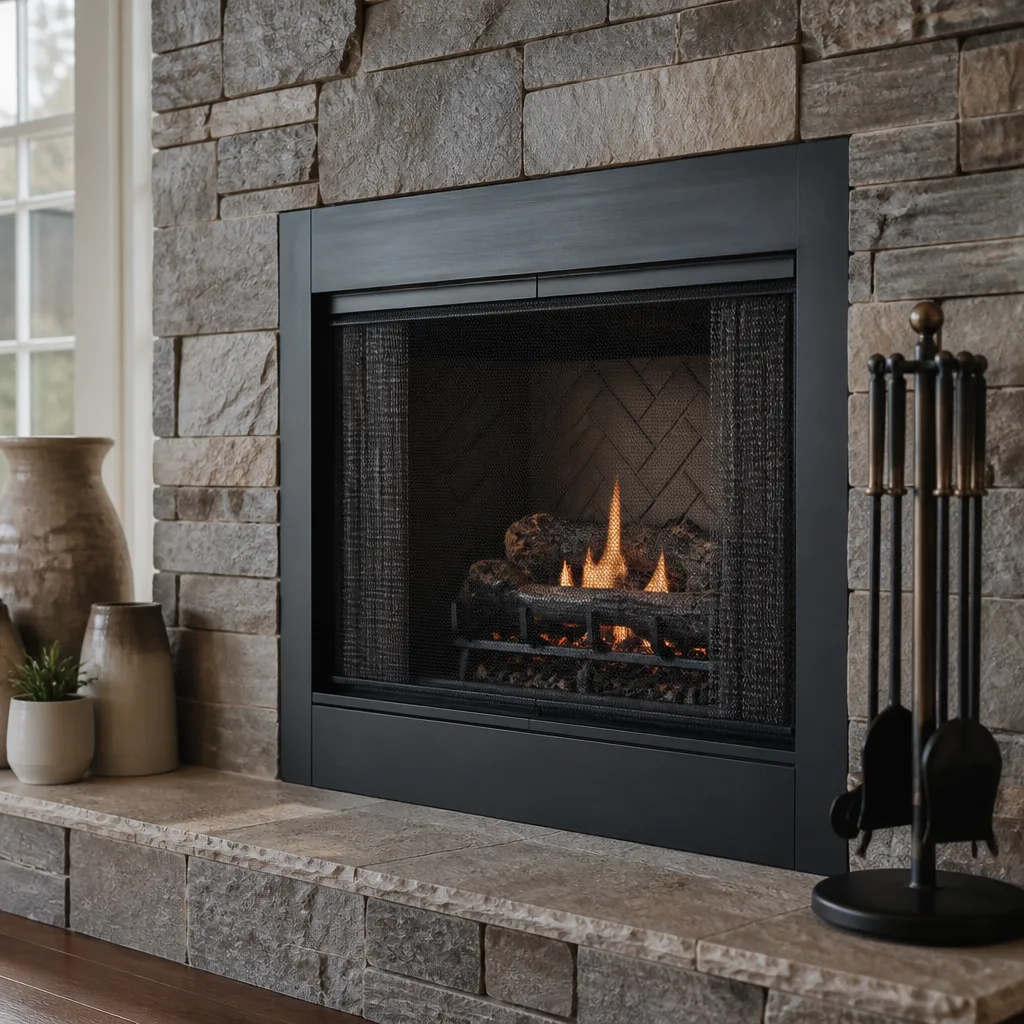
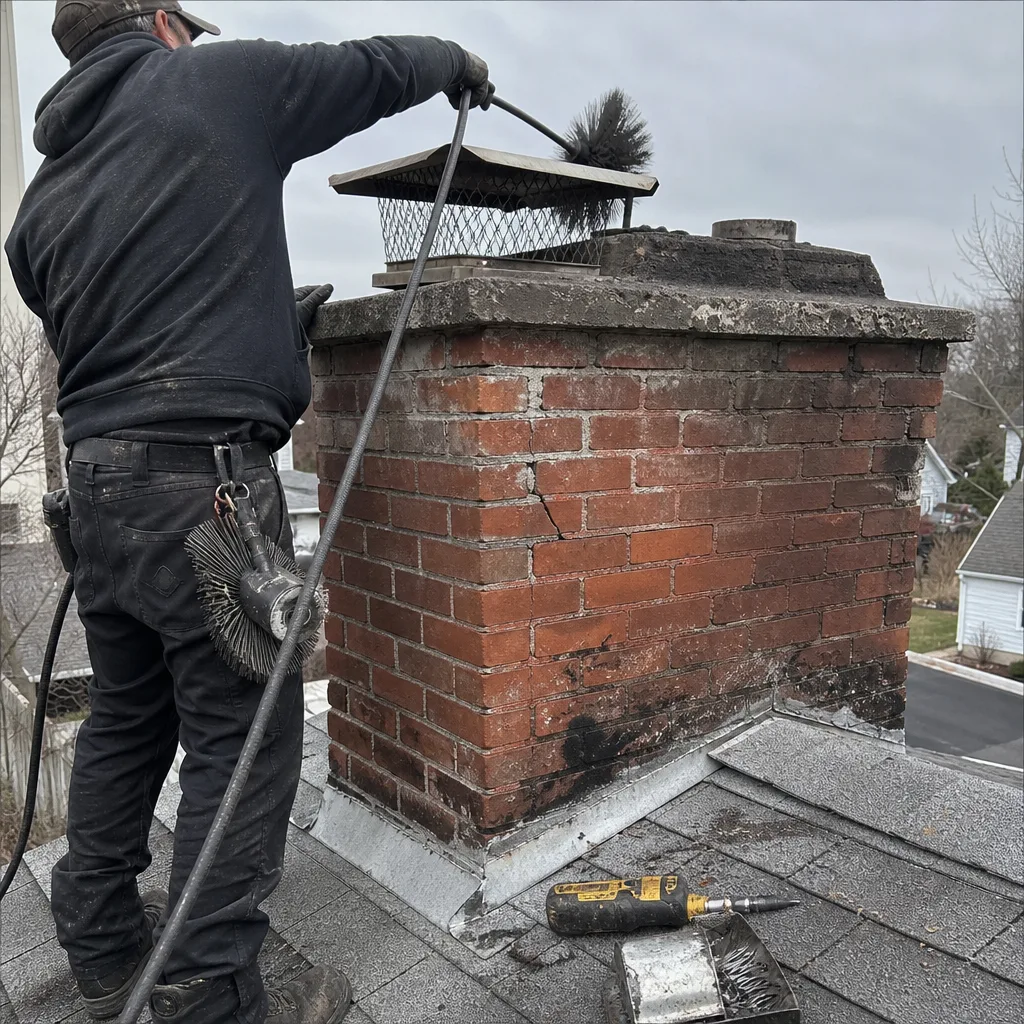 Before
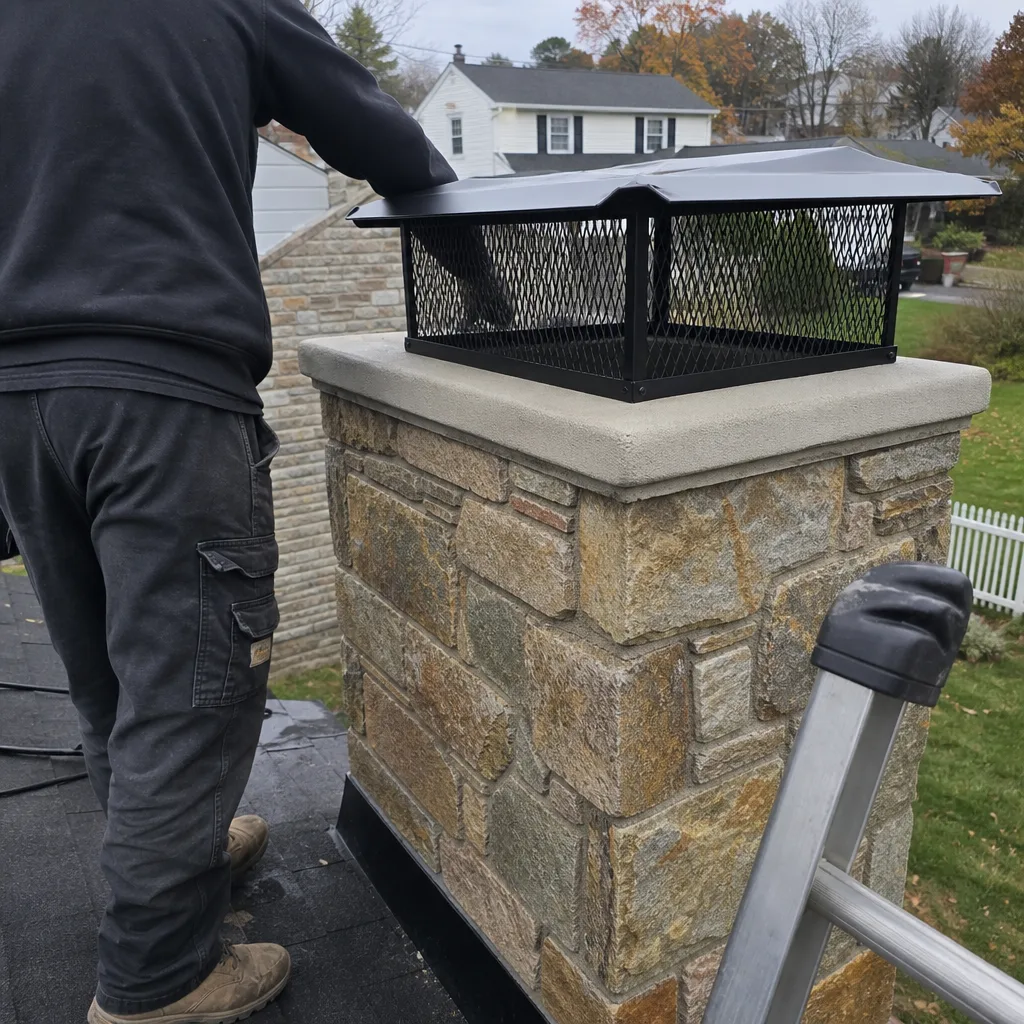 After
After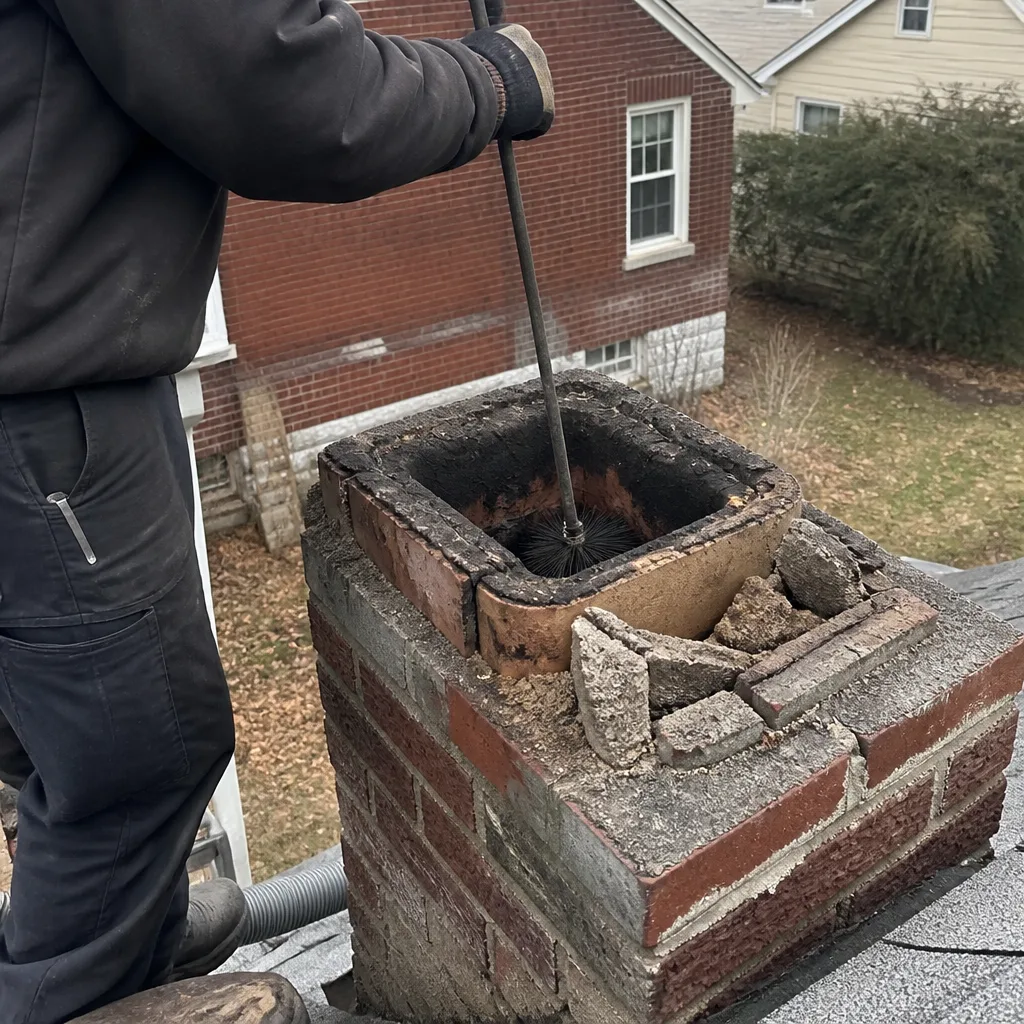 Before
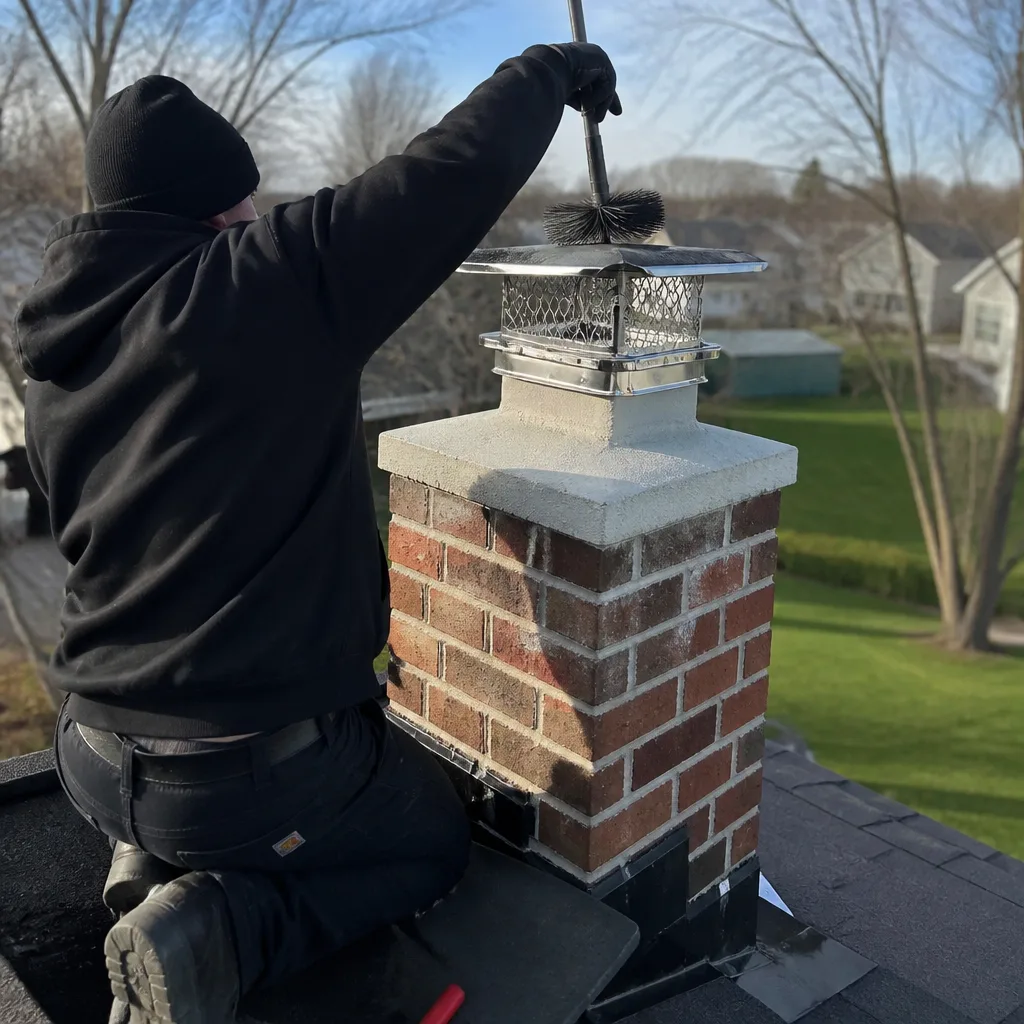 After
After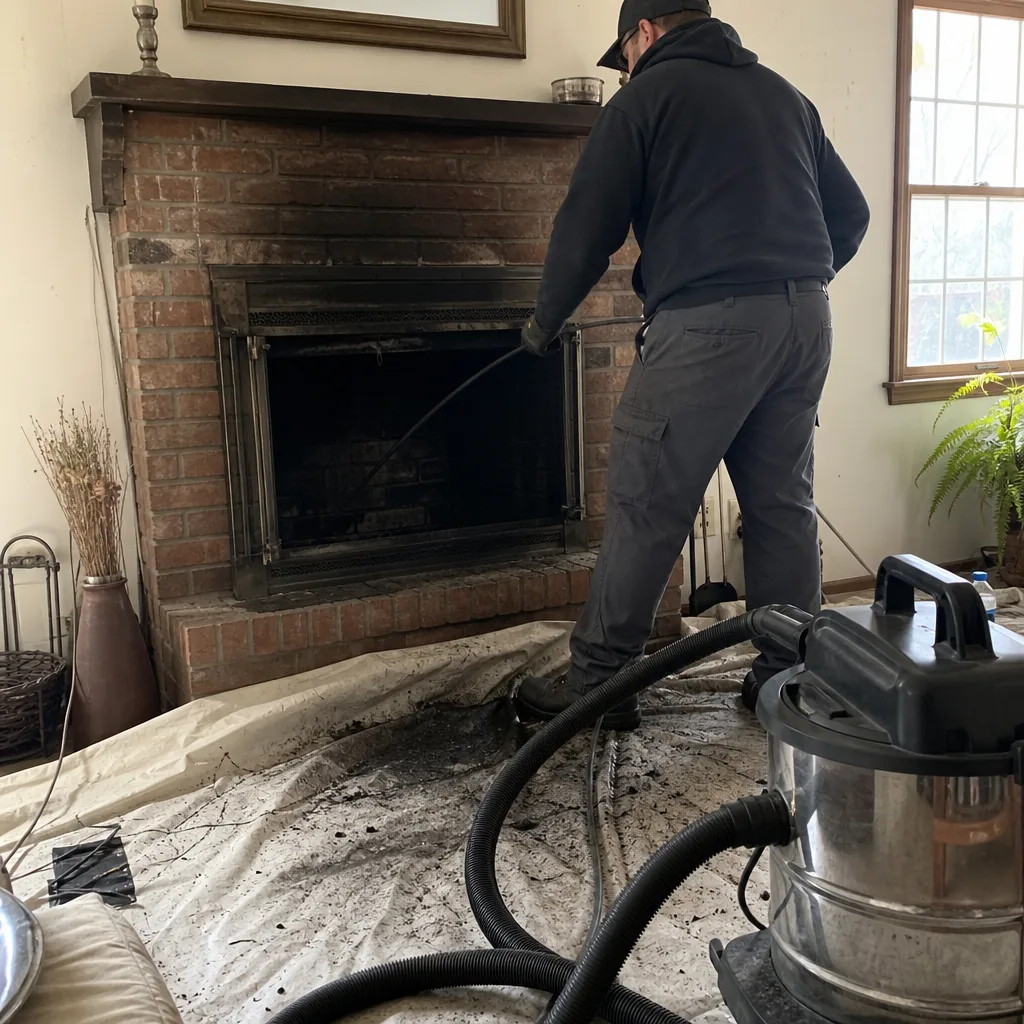 Before
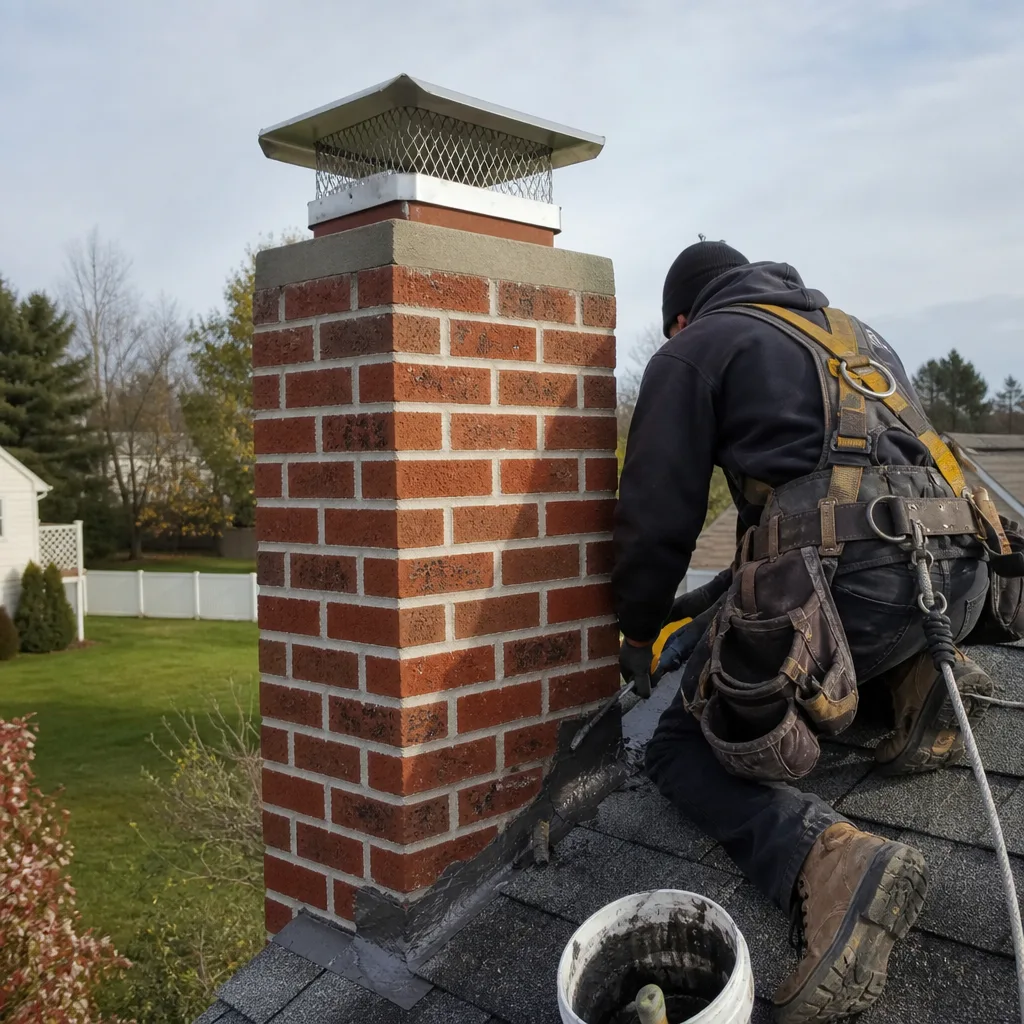 After
AfterHow to Hire a Chimney Cleaning Contractor in Allentown: A Step-by-Step Guide
The most dangerous chimney contractors in the Lehigh Valley aren’t the obvious fly-by-nights. They’re the ones who arrive on time, clean up after themselves, and hand you a form that says “passed inspection” without a single photo, measurement, or explanation of what they actually found. In Allentown, where winters run long and many homes in West End, Emmaus, and the older neighborhoods near Trexler Park burn wood or pellets for months straight, a superficial sweep can leave creosote buildup, cracked flue tiles, or a deteriorating liner hidden until the night a chimney fire starts or carbon monoxide seeps into a bedroom. This guide will teach you to evaluate what happens before and after the work, not just during it. You’ll learn the specific questions that expose whether a contractor is truly qualified, what a legitimate written estimate must include, and how to spot red flags that only appear once the truck has left your driveway.
Quick Answer
To hire a chimney cleaning contractor in Allentown, verify CSIA certification and active liability insurance in writing, demand a written estimate with line-item pricing and scope, and confirm the company provides photo documentation and a written guarantee with defined terms. Avoid any contractor who offers only verbal quotes, pressures you to add services during the visit, or cannot produce references for homes similar to yours in the Lehigh Valley.
Table of Contents
- Why the Wrong Contractor Is Hard to Spot
- Step 1: Verify Credentials Before You Call
- Step 2: Know What a Legitimate Written Estimate Includes
- Step 3: Ask the Right Questions Before Booking
- Step 4: Understand What Happens During the Visit
- Step 5: Evaluate the Findings and Documentation
- Step 6: Read the Guarantee Before You Pay
- Allentown-Specific Factors That Affect Your Choice
- Common Mistakes to Avoid
- When to Call a Professional
- Frequently Asked Questions
- The Bottom Line
Why the Wrong Contractor Is Hard to Spot
The problem with hiring a chimney sweep in Allentown is that bad work often looks fine. A technician in a clean uniform runs a brush up the flue, vacuums the hearth, and leaves a receipt. The fireplace draws. The room smells like ash instead of smoke. Everything seems in order.
What you cannot see is what matters. Creosote glazing on a flue tile that a brush won’t remove. A liner pulling away from the top course of brick. A crown with hairline cracks that widen every freeze-thaw cycle through a Pennsylvania winter. These conditions do not announce themselves. They accumulate until the night the flue temperature exceeds 2,000 degrees or carbon monoxide backs up into a sleeping family’s air supply.
In our experience across the Lehigh Valley, the contractors who miss these conditions are not typically running scams. They are undertrained, underinsured, or working with equipment that cannot access the full flue length. Some are solo operators who mean well but lack the camera systems and factory training to identify what they are looking at. Others are franchise technicians working from a script, trained to upsell rather than diagnose.
The homeowner’s defense is not suspicion of everyone who rings the doorbell. It is a systematic evaluation of credentials, documentation, and follow-through. The sections below walk through that evaluation step by step.
Step 1: Verify Credentials Before You Call
Start with the Chimney Safety Institute of America (CSIA) Certified Chimney Sweep directory. CSIA certification is the only credential in this trade with a standardized exam, continuing education requirement, and code of ethics. A technician who holds it has passed a test on chimney physics, building codes, and safety standards, and must recertify every three years.
Here’s what to do:
- Go to csia.org and use the “Find a Certified Chimney Sweep” tool.
- Enter your ZIP code and verify that the company you’re considering appears with current certification dates.
- Cross-check the individual technician’s name if the company provides it. Some firms have one certified sweep and send uncertified employees to jobs.
- Ask for proof of liability insurance and workers’ compensation coverage. Request a certificate of insurance emailed directly from the provider, not a photocopy from the contractor’s file.
In Pennsylvania, chimney sweeps are not state-licensed as a standalone trade. This means anyone with a brush and a truck can advertise the service. The absence of a licensing board makes CSIA certification and insurance verification more critical, not less. A contractor without general liability insurance leaves you exposed if a technician falls from your roof or damages your property. A contractor without workers’ compensation leaves you exposed if an employee is injured on your property and the company lacks coverage to pay.
Ask also for references from homes similar to yours. A contractor who has only worked on 1980s prefab fireplaces may lack experience with the masonry chimneys common in Allentown’s older neighborhoods. A contractor who has never serviced a home with an oil-fired furnace venting into a terra cotta flue may not recognize the specific corrosion patterns that develop in that configuration. In the West End, where many homes date to the 1920s and 1930s, original construction often includes unlined chimneys or early clay liners that require specialized knowledge.
Step 2: Know What a Legitimate Written Estimate Includes
A verbal quote is not an estimate. It is a conversation. And if something goes wrong, a conversation cannot be enforced, referenced, or compared against the final invoice.
A legitimate written estimate for chimney cleaning or repair in Allentown should contain these elements:
- Company name, address, and contact information - not a cell number and a PO box.
- Date of estimate and expiration date - material costs fluctuate; a 90-day expiration is standard.
- Description of work with specific scope - “sweep and Level-1 inspection of fireplace flue” rather than “chimney service.”
- Line-item pricing - each service separated so you can compare apples to apples across contractors.
- Materials specified by name or grade - if liner work is proposed, the estimate should name the alloy or product line, not just “stainless liner.”
- Payment terms - deposit amount, balance due upon completion, accepted payment methods.
- Signature lines for both parties - making it a binding agreement, not a menu.
What a verbal quote deliberately leaves out matters. Without line-item pricing, a contractor can add charges mid-job and claim you agreed to “whatever it takes.” Without specified materials, you may pay for a professional-grade liner and receive a generic substitute. Without an expiration date, the contractor can raise the price weeks later and blame supply chain issues.
At Hearthstone Chimney Co. home, we provide no-hassle upfront pricing. The number on the estimate is the number on the invoice. We put that in writing because we’ve been serving local communities for over 42 years, and a company that plans to be in town in thirty more years acts accordingly.
Step 3: Ask the Right Questions Before Booking
The questions you ask before scheduling reveal more than the answers you receive. They signal to the contractor that you know what to expect, which discourages shortcuts. They also surface information that marketing materials omit.
Ask these questions in this order:
- “Are your technicians CSIA-certified, and will the person who comes to my home hold that certification?” - Some companies employ one certified sweep who never leaves the office.
- “Can you email me a certificate of insurance for general liability and workers’ compensation?” - A contractor who hesitates or offers to “bring it to the appointment” may not have current coverage.
- “What does your inspection include, and will I receive photos?” - A Level-2 inspection requires a camera. If the answer mentions only a flashlight and mirror, you are getting a Level-1, which may not suffice for diagnostic purposes.
- “What is your process if you find additional problems during the sweep?” - The right answer: stop, explain, photograph, and provide a separate written estimate before proceeding. The wrong answer: “We can take care of it while we’re here for an extra few hundred.”
- “Can you provide references from homeowners in Allentown with homes built in the same decade as mine?” - Chimney construction varied significantly across eras. Experience with your home’s specific configuration matters.
- “What does your guarantee cover, for how long, and what triggers it?” - Vague assurances like “satisfaction guaranteed” without defined scope are not guarantees. They are exit lines.
Pay attention to how the person on the phone responds. Do they answer directly or redirect to a sales script? Do they know what a Level-2 inspection entails, or do they pause and recover? In our experience, the quality of the phone conversation predicts the quality of the work. A company that answers with a live person 24 hours a day, 7 days a week, and trains that person to understand chimney systems, demonstrates an organizational commitment that carries through to the technician who arrives at your door.
Step 4: Understand What Happens During the Visit
A proper chimney cleaning and inspection in Allentown follows a sequence. Knowing it helps you evaluate whether what you are receiving matches what you paid for.
Pre-work: The technician should lay protective coverings, ask about any recent changes in draft or odor, and confirm the scope of work against your written estimate. If the estimate included a Level-2 inspection, the technician should explain where the camera will be inserted and what it will document.
The sweep: Using rotary or hand brushes sized to your flue diameter, the technician removes creosote and soot deposits from the firebox through the full flue length. In Allentown, where many homeowners burn seasoned hardwood from Pennsylvania suppliers, creosote accumulation is typically moderate but can glaze into a hard, tar-like layer if the wood has been wet or the fire smolders. Glazed creosote cannot be removed with standard brushing and requires chemical treatment. A technician who completes the job in twenty minutes without commenting on creosote condition has likely performed a superficial cleaning.
The inspection: For a Level-2 inspection, the technician inserts a camera system up the flue, recording video or capturing still images of every surface. The camera should reach the top of the flue and document the condition of mortar joints, flue tiles, the liner if present, and any obstructions or animal nests. In our work across the Lehigh Valley, we’ve found collapsed flue tiles in homes where the homeowner reported no symptoms, and we’ve found liner gaps that had been developing for years. These conditions do not announce themselves. The camera finds them or they go undetected.
Documentation: Before leaving, the technician should review findings with you, show you the photos, and explain what each image depicts. You should receive a written report with the photos attached or emailed. This documentation becomes your baseline for future comparisons. Without it, you have no proof of condition and no way to evaluate whether a future contractor’s recommendations are consistent with observed reality.
Chimney Cleaning & Sweep in Allentown from Hearthstone includes this full documentation protocol. Photos you can see, a plain-English verdict. Documented like an engineer, explained like a craftsman.
Step 5: Evaluate the Findings and Documentation
The moment after the sweep, when the technician presents findings, is when most homeowners are pressured into unnecessary work. The defense is to slow down and evaluate what you have been shown against what you have been told.
Legitimate findings that require action include:
- Cracked or spalled flue tiles visible in camera images
- Missing mortar joints between flue tiles
- Evidence of previous chimney fire (puffed or distorted flue liner)
- Deteriorated or missing chimney crown allowing water intrusion
- Corroded or improperly sized liner
- Obstruction or nesting material blocking the flue
Each of these conditions should be shown to you in a photo with the technician’s finger or a measurement tool in frame for scale. A verbal description without visual evidence is not sufficient. In Allentown’s climate, where freeze-thaw cycles begin in late fall and continue through early spring, water intrusion through a cracked crown can accelerate masonry deterioration significantly. But water damage also develops slowly. A contractor who insists that crown repair cannot wait until next season should be able to show you active water penetration or structural compromise, not merely “preventive” concern.
Be especially wary of recommendations made without camera evidence. In the older homes near Cedar Crest College and throughout the West End, original terra cotta flues often show surface staining that a less scrupulous contractor will describe as “cracking” or “deterioration” to justify liner installation. Actual flue tile failure has a distinct appearance: visible cracks, pieces missing, or tiles that shift when probed. Photos should make the distinction clear.
At Hearthstone, our Chimney Repair in Allentown estimates specify exactly what we observed, where we observed it, and what will happen if the condition is not addressed. We do not recommend work without camera evidence the homeowner can see for themselves. And we plainly state when a condition can safely wait, because not every finding requires immediate action.
Step 6: Read the Guarantee Before You Pay
A guarantee is a contract term, not a sentiment. “Satisfaction guaranteed” without defined scope, duration, and remedy is marketing language with no enforceable meaning. Before you pay any chimney contractor in Allentown, ask to see the guarantee in writing and evaluate it against these criteria:
| Element | What It Means | Red Flag |
|---|---|---|
| Scope | Specific workmanship and materials covered | Vague “all work” language |
| Duration | Defined time period (30 days, 90 days, one year) | No expiration stated |
| Trigger | What event activates the guarantee (failure, defect, non-performance) | “Satisfaction” as sole criterion |
| Remedy | What the company will do (repair, replace, refund) | “We’ll make it right” without specifics |
| Exclusions | What is not covered (damage from misuse, subsequent events) | No exclusions listed |
The 90-Day Done Right Promise from Hearthstone Chimney Co. covers all workmanship and materials for ninety days from completion. If it’s not done right, we make it right. Backed in writing with no paperwork and no arguing. Governed by the K.E.Y.S. values code: Krafted right, Every time, Your home first, Standing behind it. We’ve honored this promise for over 42 years because it is how we define a completed job.
Compare this to a contractor who offers “a one-year warranty” but requires you to call within 48 hours of discovering a problem, or who excludes “conditions beyond our control” without defining that term. The guarantee’s value lies in its specificity and in the company’s history of honoring it. Ask for references from homeowners who have made claims. A contractor with nothing to hide will provide them.
Allentown-Specific Factors That Affect Your Choice
Chimney conditions in Allentown reflect local climate, housing stock, and fuel use patterns that a contractor from outside the Lehigh Valley may not recognize.
Freeze-thaw masonry stress: Allentown averages 28 freeze-thaw cycles annually, with temperatures oscillating above and below 32 degrees through winter. Water trapped in brick and mortar expands and contracts, accelerating spalling and joint deterioration. A contractor who recommends waterproofing should specify breathable treatments like those from professional-grade suppliers, not generic sealers that trap moisture inside.
Historic housing stock: Homes in the West End, Old Allentown, and sections of Emmaus and Whitehall date to periods when chimneys were built without liners or with early clay liners that do not meet modern safety standards. These chimneys require evaluation by someone who understands historical construction and modern code requirements, not a technician trained only on post-1980 systems.
Fuel transition patterns: Many Allentown homeowners have converted from oil to gas heating while retaining original chimney structures. Oil combustion produces acidic residues that deteriorate terra cotta flues; gas combustion produces water vapor that condenses in oversized flues. A contractor inspecting a converted system must understand both residue types and their interaction with existing flue materials. We’ve encountered flues in the 18103 ZIP code where oil residue masked gas-related corrosion until camera inspection revealed the full extent of deterioration.
Local permit requirements: Significant chimney repair, liner installation, and structural rebuilds in Allentown require permits from the City of Allentown Building Standards and Safety Division. Before starting work, review Chimney Cleaning Permits, Codes & Inspections in PA: What You Need to Know to understand your obligations. A contractor who suggests working without permits to “save you money” is exposing you to liability and potentially compromising your homeowner’s insurance coverage. Legitimate contractors pull permits as standard practice and include the cost in their estimate.
Seasonal demand patterns: Sweeping demand peaks between September and January in the Lehigh Valley. Contractors who are unavailable until November may be booked because they are competent, or because they are understaffed. The better indicator is whether they schedule inspections year-round and whether they emphasize that spring and summer appointments allow more time for thorough evaluation and any necessary repairs before burning season.
For Fireplace Services in Allentown, including insert installation and gas conversion, material specification matters significantly. We work exclusively with professional-grade brands: DuraFlex for stainless liners, HeatShield for cerfractory flue resurfacing, and Olympia Chimney for cap and damper hardware. These are not builder-grade substitutes. They are the materials we specify because they perform to specification across Pennsylvania’s temperature range.
Common Mistakes to Avoid
- Hiring based on the lowest price alone. A $99 sweep special often excludes the camera inspection that finds the condition that would have prevented a $4,000 repair. The low price is a loss leader for upselling, not a bargain.
- Accepting verbal estimates for anything beyond basic sweeping. Without written documentation, you have no recourse if the final bill doubles or the work proves inadequate. Pennsylvania’s home improvement contractor law requires written contracts for jobs over $500, but the protection applies only if you enforce it.
- Assuming a clean fireplace means a safe chimney. Creosote removal addresses one hazard. Liner condition, structural integrity, and proper clearances are separate evaluations. A sweep without inspection is incomplete.
- Neglecting to verify that the technician who arrives matches the credentials claimed. Some companies advertise CSIA certification but send employees who have not passed the exam. Ask to see the technician’s certification card before work begins.
- Agreeing to additional work during the same visit without a separate written estimate. Pressure to decide immediately, while the technician is in your home and your fireplace is disassembled, is a sales tactic, not a safety emergency. Genuine hazards that require immediate action are rare; most conditions can be evaluated and scheduled with time for comparison.
- Failing to request and retain documentation. Photos and written reports are your evidence of condition at a specific date. Without them, you cannot prove that a subsequent problem existed previously or was caused by defective work.
- Ignoring local experience. A contractor based two hours away may charge less but will not understand Allentown’s specific building stock, permit requirements, or climate patterns. Local knowledge prevents misdiagnosis.
When to Call a Professional
Schedule a professional chimney evaluation if you notice any of these conditions: visible cracks in the firebox or exterior masonry, white efflorescence staining on the chimney exterior, a persistent smoky odor when the fireplace is not in use, draft problems that worsen on windy days, or any evidence of animal entry. After a chimney fire, even a small one, a Level-2 inspection is mandatory before the next use. If you have not had your chimney inspected within the past twelve months, or if you have purchased a home and have no documentation of the previous inspection, establish your baseline now.
Hearthstone Chimney Co. offers free estimates in Allentown. Call (610) 632-1394. A live person answers every call, 24 hours a day, 7 days a week. We’ll schedule a visit, perform a documented inspection, and provide a written estimate with no pressure to commit. Done right, and we stand behind it.
Frequently Asked Questions
A standard chimney sweep and Level-1 inspection in Allentown typically ranges from $150 to $300, while a Level-2 inspection with camera documentation runs $250 to $450 depending on accessibility and system complexity. For a detailed breakdown of what drives these figures, see our Chimney Cleaning Cost Breakdown: The Allentown Homeowner’s Reference for 2026. Prices below this range often exclude essential documentation or employ technicians without proper certification. Call (610) 632-1394 for an exact quote - estimates are free.
You need a new liner only if your existing liner is damaged, improperly sized for your appliance, or absent entirely. A contractor who recommends liner replacement should show you camera evidence of cracks, gaps, or deterioration, and should explain the specific hazard each condition creates. In Allentown’s older homes with unlined brick chimneys, modern standards require lining for any solid-fuel or gas appliance. But if your terra cotta liner is intact and properly sized, replacement is unnecessary. We evaluate each system individually and plainly state when work can safely wait.
The National Fire Protection Association recommends annual inspection for all chimney systems, with sweeping frequency determined by use and fuel type. Wood-burning fireplaces used regularly during Allentown’s heating season should be swept annually or when creosote accumulation exceeds one-eighth inch. Oil and gas systems require less frequent sweeping but still need annual inspection for venting integrity and corrosion. Homes in neighborhoods with mature trees, such as sections of the West End near Cedar Creek Park, may also require more frequent cap and crown inspection due to debris accumulation.
Skipped maintenance allows creosote to accumulate to hazardous levels, increasing fire risk, and permits structural deterioration to progress until repair costs multiply. A cracked flue tile that could have been identified and addressed for hundreds of dollars can develop into a full liner collapse requiring thousands. In Allentown’s climate, water intrusion through an unmaintained crown can destroy a chimney shoulder within two to three freeze-thaw seasons. The cost of prevention is consistently lower than the cost of remediation.
Visit csia.org and use the “Find a Certified Chimney Sweep” directory, entering the company name or individual technician’s name. Certification displays with effective dates; verify that the certification is current and has not lapsed. Be aware that some companies employ one certified sweep who supervises uncertified technicians. Ask specifically whether the person who will perform work in your home holds individual certification. “Our company is certified” and “our technician is certified” are different claims with different meanings.
A written report should include the date of inspection, technician name and certification number, scope of inspection performed, condition assessment of each chimney component (firebox, damper, flue, crown, cap, exterior masonry), photographs with annotations, specific measurements where relevant (flue dimensions, creosote thickness, crack dimensions), and clear recommendations with prioritized urgency. The report should distinguish between conditions requiring immediate action, conditions to monitor, and conditions within normal parameters. Without this documentation, you have no baseline for future comparison and no evidence if a dispute arises.
Homeowners can perform basic firebox cleaning and ash removal, but flue sweeping and structural evaluation require specialized equipment and training that most homeowners do not possess. More importantly, chimney work involves heights, confined spaces, and exposure to carcinogenic creosote compounds. The safety risks and the potential for undetected conditions make professional evaluation the prudent choice. We do not provide DIY instructions for flue access or roof-level inspection because the hazard profile does not justify the savings.
The Bottom Line
Hiring a chimney cleaning contractor in Allentown is not about finding the lowest price or the fastest appointment. It is about finding a company that documents its work, stands behind its results, and will be available when you need them next year and the year after. Verify CSIA certification and insurance in writing. Demand photo documentation and a written estimate with line-item pricing. Read the guarantee for specific terms, not sentiment. Ask questions that expose whether the person on the phone understands your home’s specific chimney system. The contractors who pass this evaluation are the ones who treat your home with the care they would give their own. The ones who fail it reveal themselves before they ever reach your door.
Written by Russell Haines, Owner at Hearthstone Chimney Co., serving Allentown since 2014.