
Last updated September 10, 2026
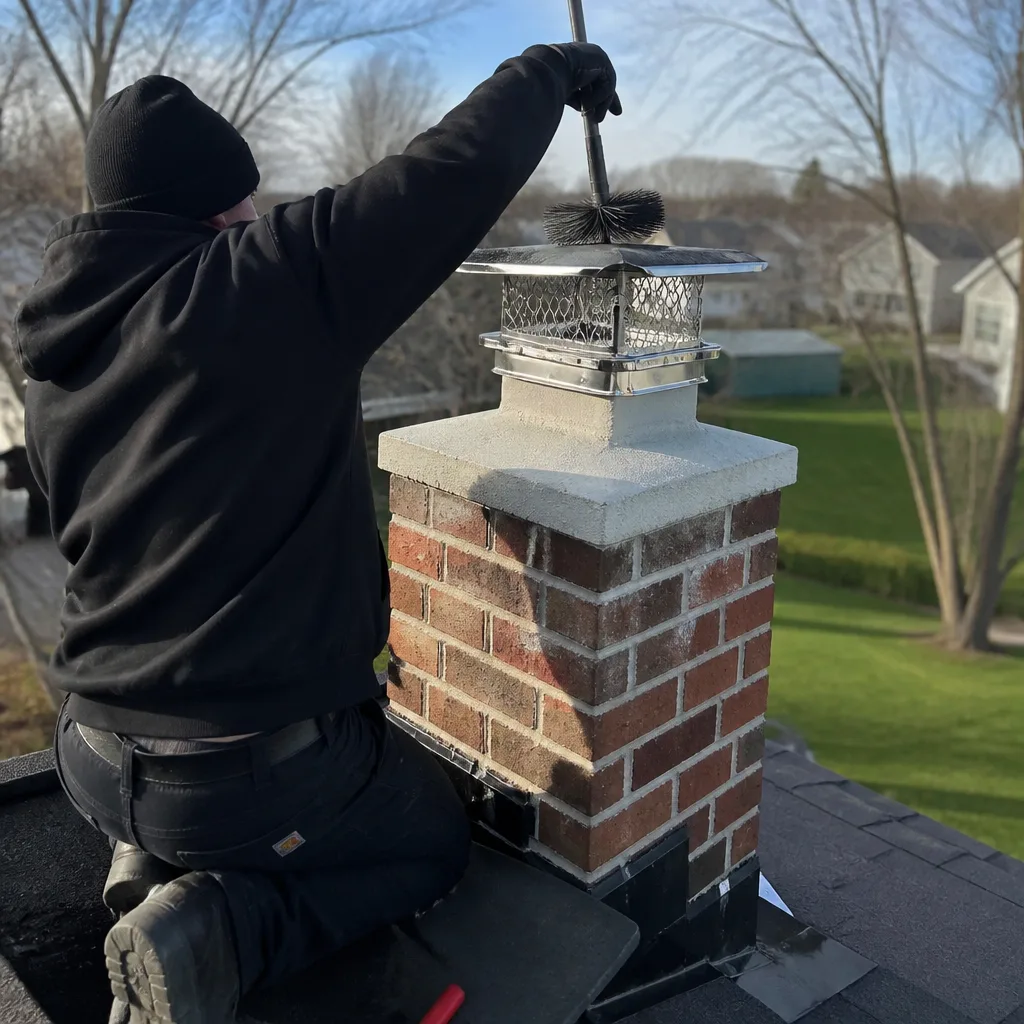
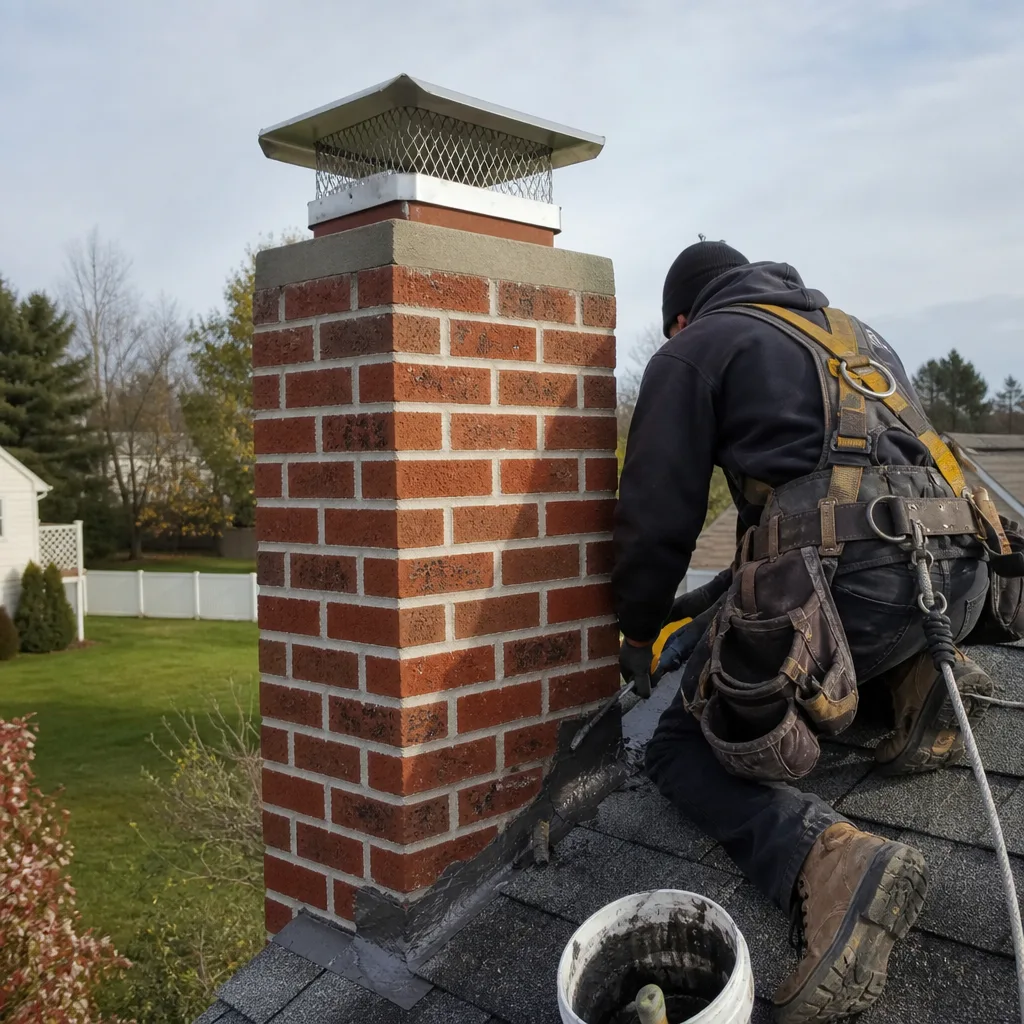
Level 1 sweep and inspection to the NFPA 211 annual standard - flue, crown, cap, and flashing checked and photographed
Chimney sweep logs do not sweep chimneys. They loosen some creosote - which then falls where a brush and vacuum still have to collect it.
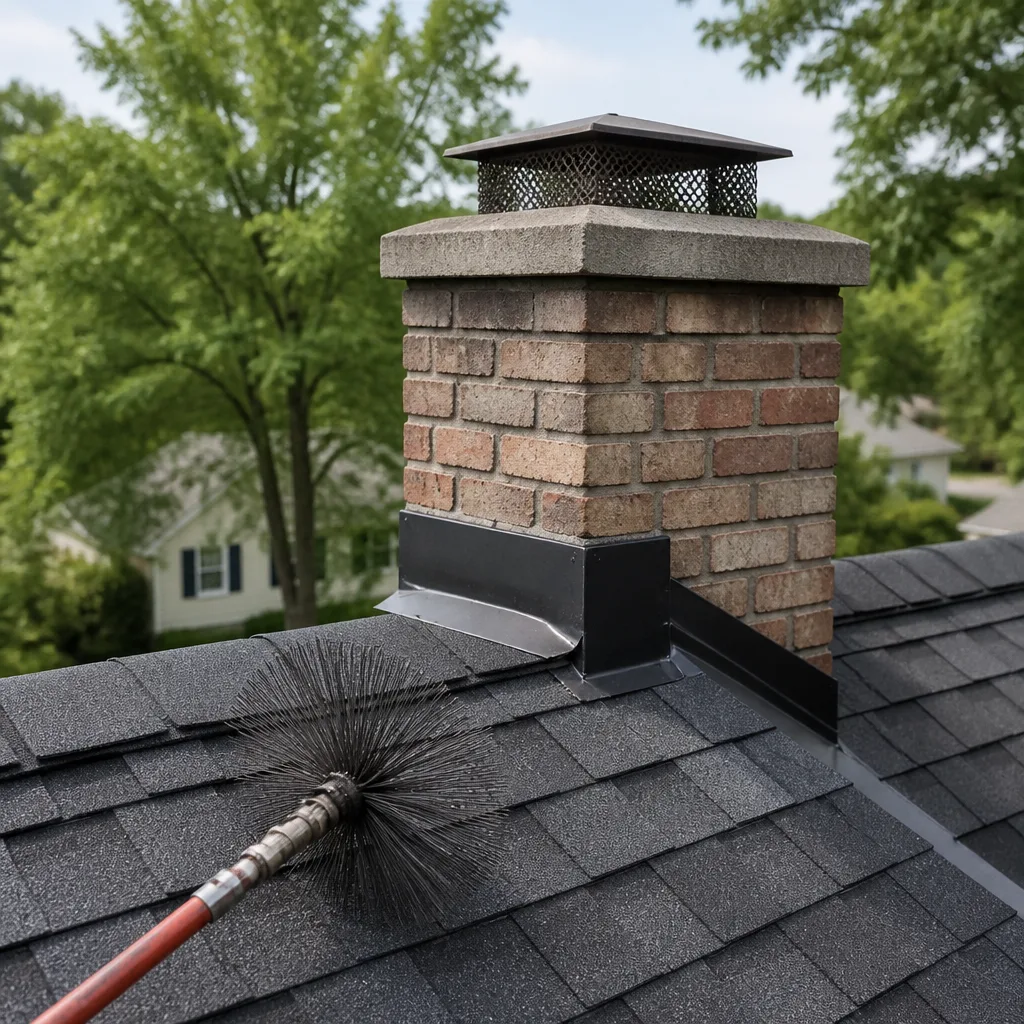
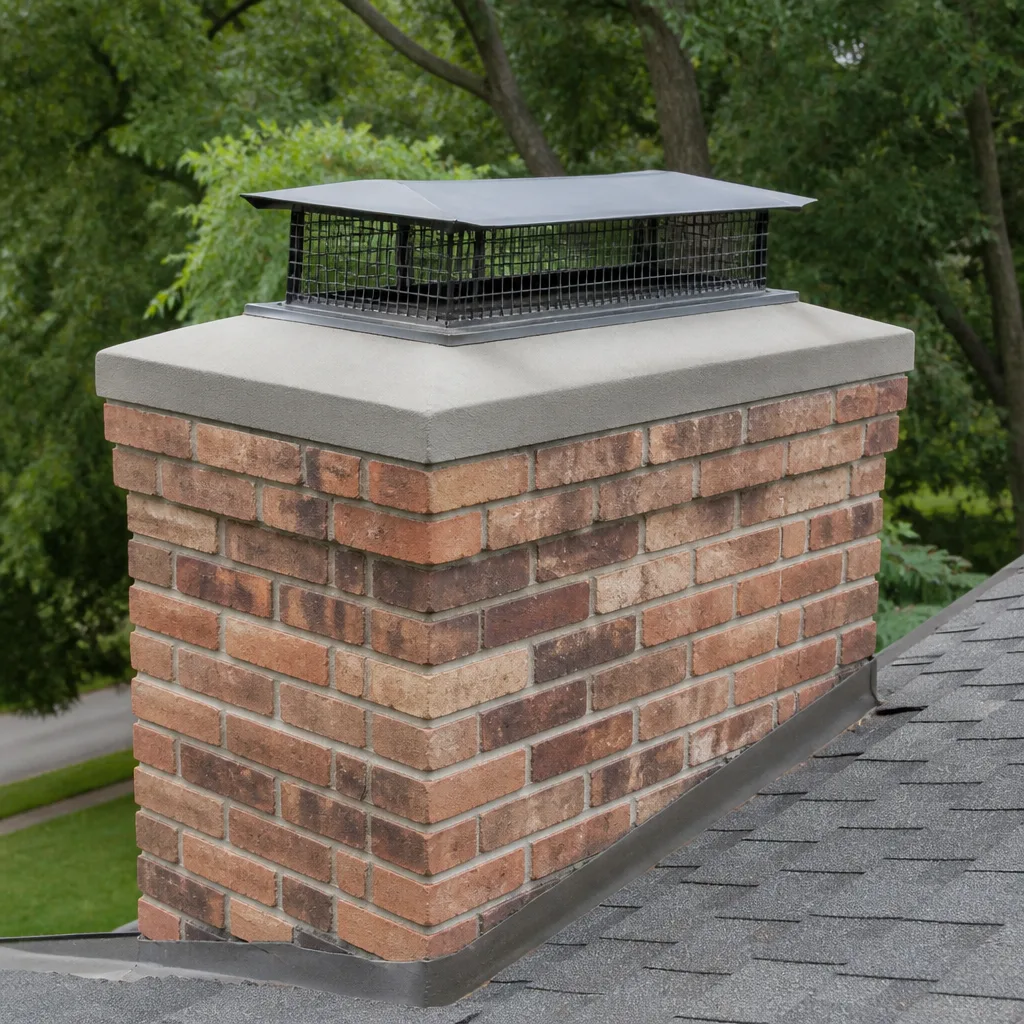
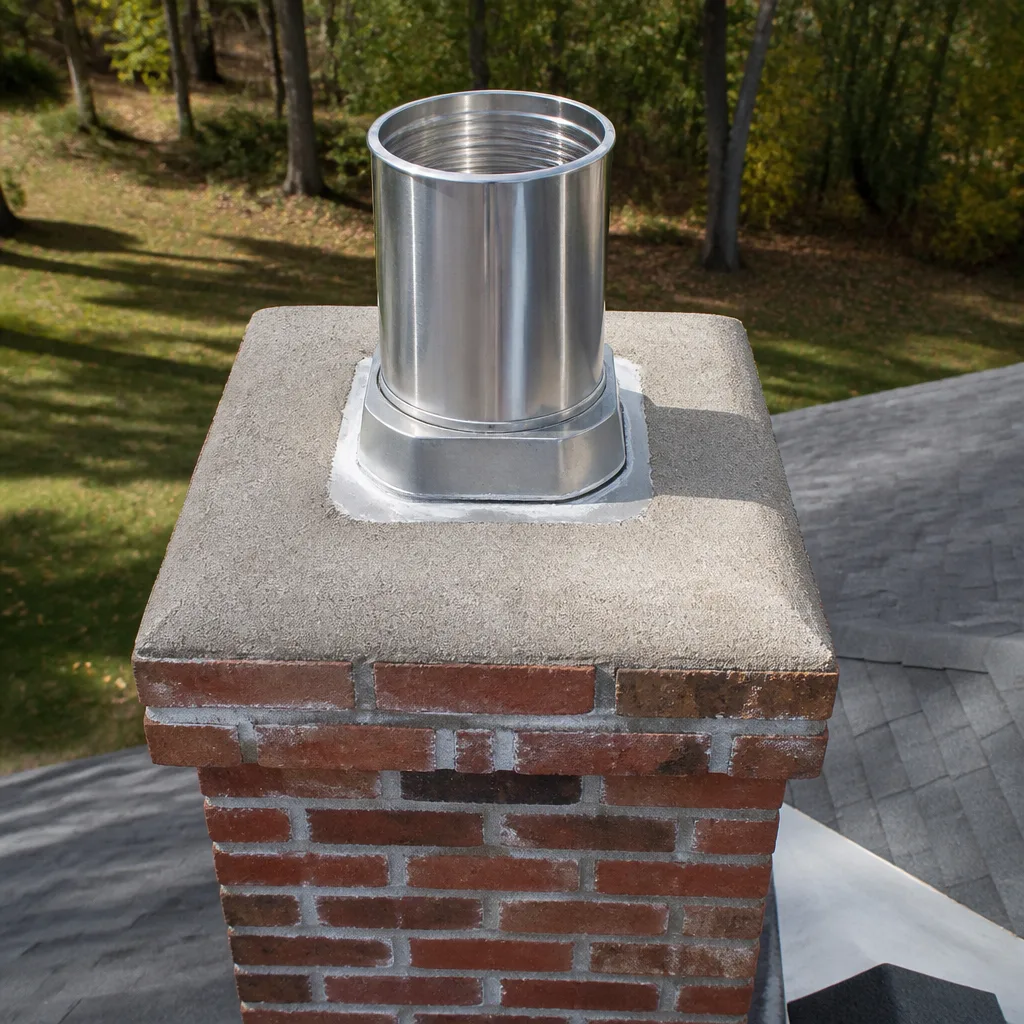
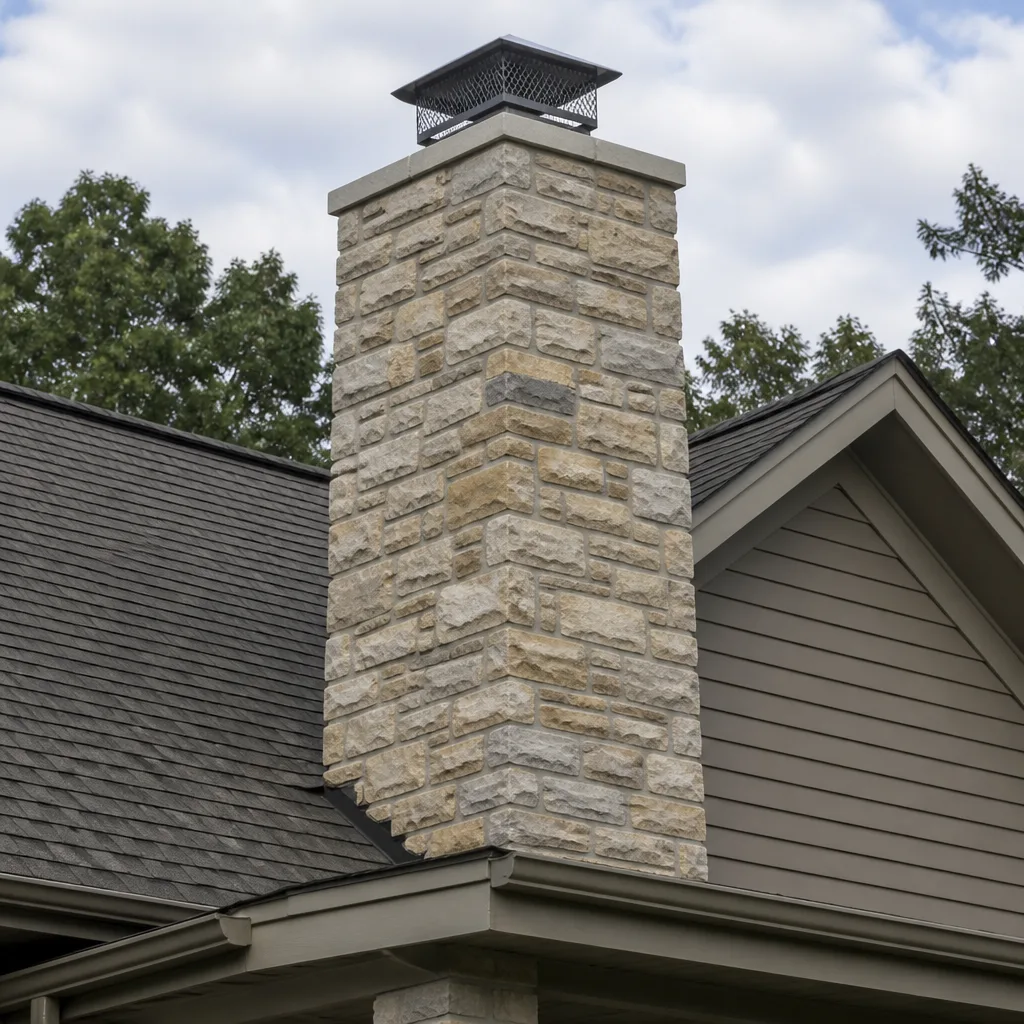
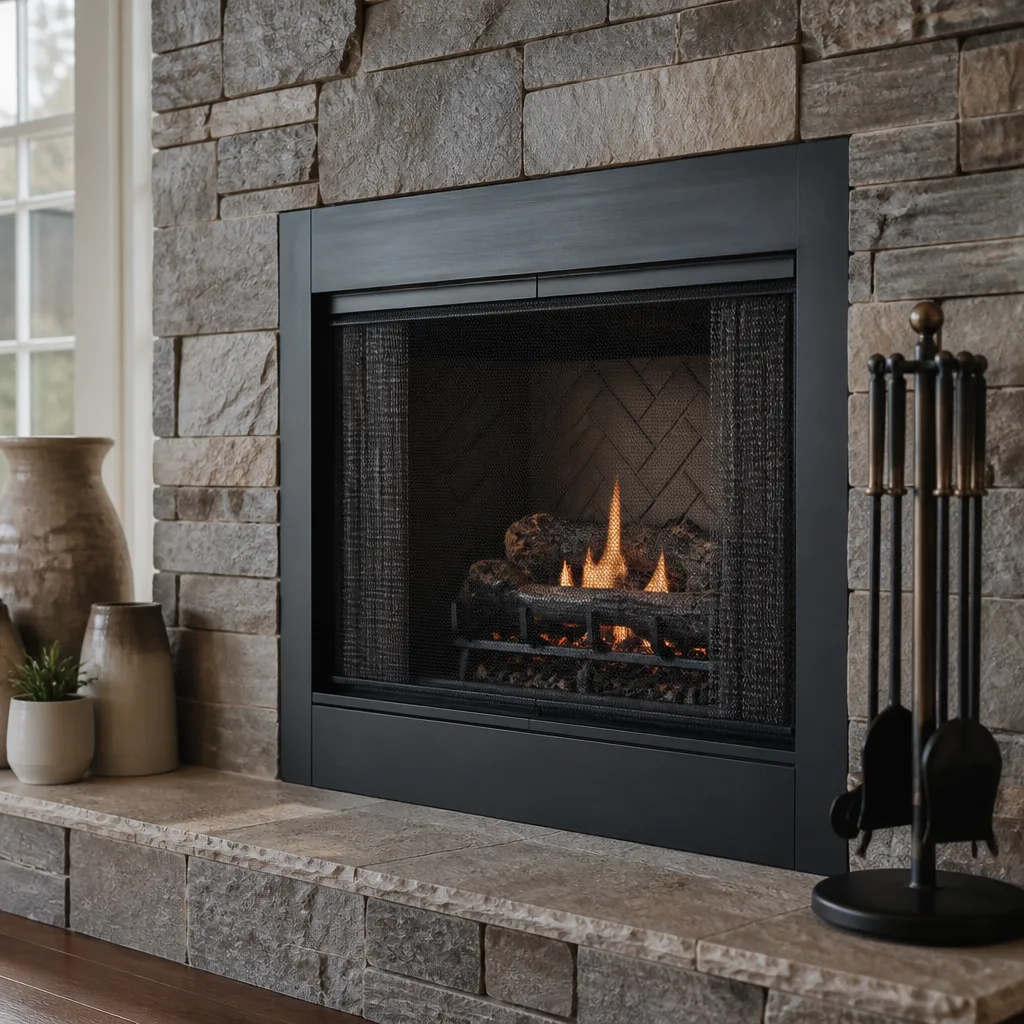
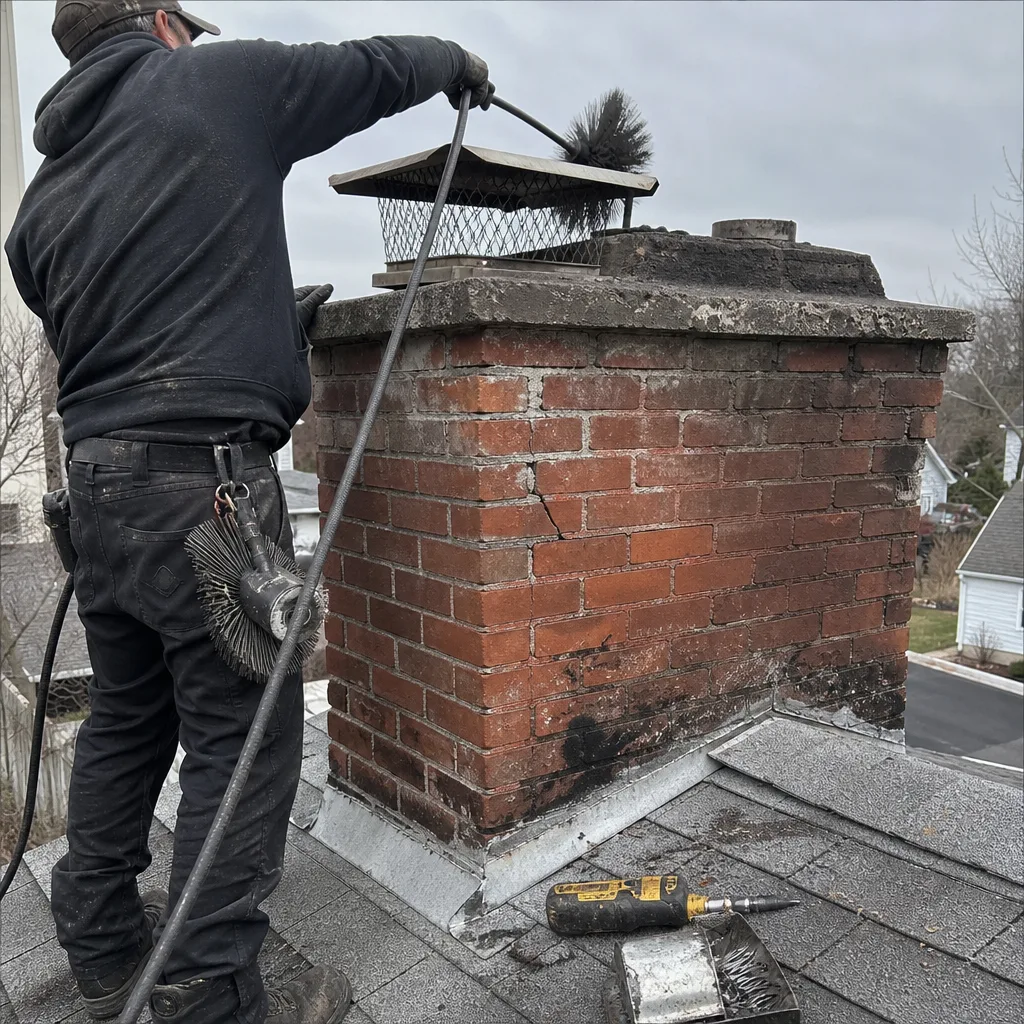 Before
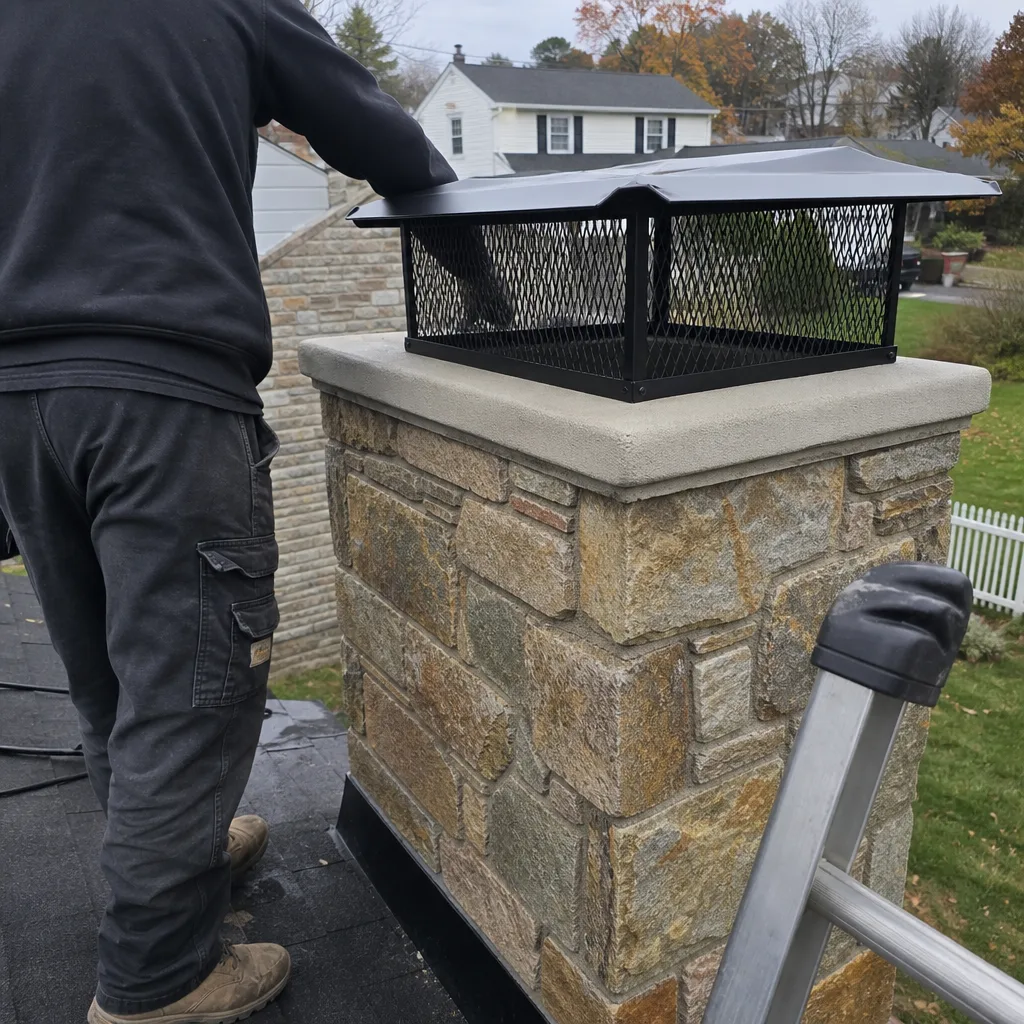 After
After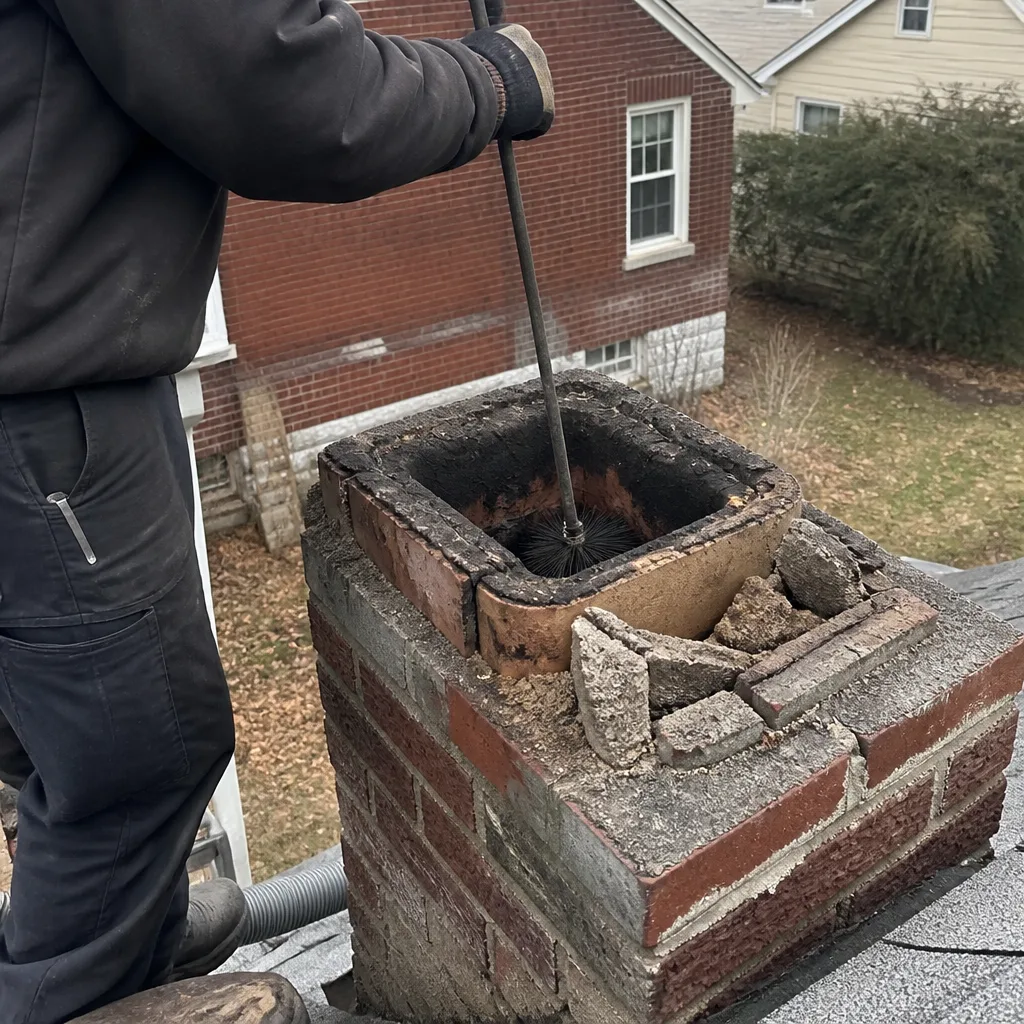 Before
 After
After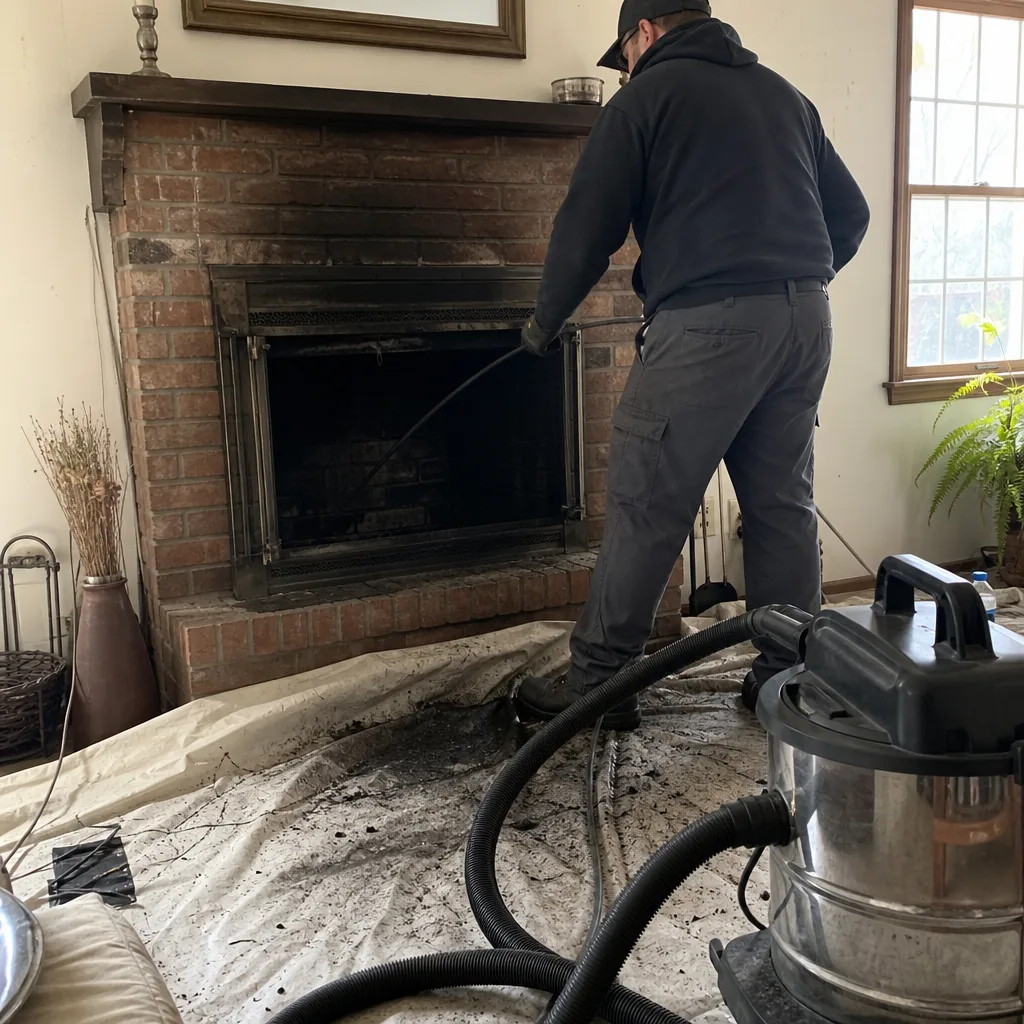 Before
 After
AfterSeasonal Chimney Cleaning Care for Allentown: Year-Round Homeowner’s Guide
The most expensive chimney repair we see at Hearthstone isn’t caused by creosote. It’s caused by water that got in during a wet March and sat unnoticed until October, when the homeowner finally lit the first fire and something was very wrong. In Allentown, with our average 45 inches of annual precipitation and freeze-thaw cycles that can run from late October through April, chimney care isn’t a single autumn appointment. It’s four distinct seasonal conditions that each demand attention. This guide explains what to check, when to check it, and what you can handle yourself versus what belongs in a sweep’s hands, with more guides & resources available for Allentown homeowners.
Quick Answer
Allentown homeowners should treat chimney care as a year-round practice, not a fall-only event. Spring checks catch moisture damage from freeze-thaw cycles before it worsens; summer is the ideal time for thorough cleaning and camera inspection; early fall clears nesting debris before first burn; and mid-winter monitoring spots performance problems while the system is under load. A documented seasonal routine prevents the water intrusion and flue blockages that cause most major repairs in our climate.
Table of Contents
- Spring: The Season Most Homeowners Skip
- Summer: The Smart Time to Schedule Deep Maintenance
- Fall: Pre-Burn Preparation and Wildlife Checks
- Winter: Monitoring Performance Under Load
- What You Can Do Yourself vs. What Requires a Sweep
- Building a Seasonal Photo Log That Saves Money
- Common Mistakes to Avoid
- When to Call a Professional
- Frequently Asked Questions
- The Bottom Line
Spring: The Season Most Homeowners Skip
March through May in Allentown brings the year’s most destructive weather pattern for masonry chimneys. Temperatures swing from below freezing to the 50s and back again, often within a single week. Water that seeps into hairline cracks during a warm rain freezes overnight, expanding and widening those cracks. By May, a crown that looked sound in February can have developed channels that funnel water straight into the flue.
We see this every spring in neighborhoods like West End and the historic homes along Hamilton Street. The homeowner finished burning season, let the fireplace go cold, and assumed the chimney was fine because it had worked all winter. Then the April rains came, the freeze-thaw cycles did their work, and by October there’s a spalled brick face or a deteriorated crown that will cost $800 to $2,400 to repair properly.
Here’s what spring chimney care should include:
- Exterior visual from the ground or a stable ladder. Look for white efflorescence on brick faces, which signals water moving through the masonry. Check if the crown has fresh cracks or missing chunks. In Allentown’s older housing stock, pay special attention to mortar joints above the roofline, where wind-driven rain from nor’easters hits hardest.
- Interior smell check. A musty or damp odor from the firebox after rain means water is getting in somewhere. Note which storm produced it. This detail helps a sweep trace the entry point.
- Damper operation test. Open and close the damper fully. If it’s sticky or noisy, spring humidity may be causing rust on the mechanism. Addressing this now prevents the damper from seizing shut before fall.
- Cap and screen inspection. Winter winds in the Lehigh Valley can loosen or dislodge chimney caps. A missing or damaged cap is an open invitation for spring nesting birds and squirrels, and for the rain that follows.
What spring is not for: burning. Even a late cold snap doesn’t justify a fire in a chimney that hasn’t been swept since last season. The creosote from previous burns is still present, and spring drafts are unpredictable.
Spring is also when we recommend scheduling your summer appointment. The best sweeps in the Allentown area book solid by August. Calling in April or May secures a slot when the technician isn’t rushing through six jobs a day to beat the first freeze.
Summer: The Smart Time to Schedule Deep Maintenance
September and October are the busiest weeks for chimney sweeps across Pennsylvania. Everyone remembers their fireplace on the first cool evening, and the phone lines light up. At Hearthstone, we answer every call with a live person 24 hours a day, but even we can’t create appointment slots that don’t exist.
The practical difference between a July cleaning and an October cleaning is significant. In summer, our technicians can spend the full time a Level-2 camera inspection deserves. We’re not watching the weather forecast or cutting corners to fit in extra jobs before the cold arrives. The roof is dry and safe to access. The photos we take are clearer in daylight. And if we find a problem that requires repair, there’s time to schedule it before you need heat.
What summer maintenance should include in Allentown:
- Full NFPA-211 Level-2 inspection with camera. This means a visual examination of all accessible interior surfaces plus video documentation of the flue liner condition. We use professional-grade camera systems to produce photos you can see and a plain-English verdict on what needs attention, what can wait, and what’s fine.
- Complete sweeping of the flue. Removing creosote, soot, and any debris that accumulated since last service. For wood-burning systems in Allentown’s climate, we typically see 1/8 to 1/4 inch of buildup after a full burning season, depending on wood quality and burning habits.
- Crown sealing or rebuild assessment. Summer is the only season to apply crown sealant with confidence it will cure properly. Allentown’s humidity in July and August is actually favorable for certain masonry treatments, unlike the dry western states where sealants can skin over too fast.
- Liner evaluation. Clay tile liners in homes built before 1980, common in Allentown’s established neighborhoods, develop vertical cracks that only camera inspection reveals. Stainless steel relining with DuraFlex or similar professional-grade materials is a summer project that requires no rush.
- Cap and damper installation or repair. If your cap came off in a March wind or your damper rusted through spring, summer is when to address it. We install caps from Famco and Copperfield, sized to your flue and secured against Lehigh Valley weather.
The $89 Seasonal Tune-Up we offer covers sweeping, basic inspection, and damper adjustment. It’s priced to encourage summer scheduling because we know the work is better and the homeowner benefits from the timing.
One more summer task that’s often overlooked: if you’re considering a wood stove insert or gas log conversion, summer is the time for that conversation. Fireplace services like these require planning, permit considerations, and fabrication time. Starting in June means enjoying the result by October.
Fall: Pre-Burn Preparation and Wildlife Checks
Labor Day to Halloween is when most Allentown homeowners think about their chimney. The instinct is correct, even if the timing is later than ideal. Fall care is about confirming the system is ready for its first sustained use and catching the problems that develop during the warm months when the chimney sits idle.
The specific fall risk in our area is wildlife and nesting debris. Squirrels, raccoons, and chimney swifts are active in Allentown’s mature tree canopy through September. A missing cap or damaged screen, or even a cap with gaps large enough for small birds, can result in a flue partially or fully blocked by October. We have cleared nests from chimneys in Emmaus, Macungie, and throughout Allentown’s residential neighborhoods where oak and maple canopies touch rooflines.
A blocked flue is not a minor inconvenience. It forces combustion gases, including carbon monoxide, back into the living space. It can also ignite if the blockage is creosote-soaked nesting material. This is not theoretical. We’ve responded to calls where the homeowner smelled smoke in an upstairs bedroom because a squirrel nest in the flue was smoldering.
Fall preparation checklist:
- Visual cap and screen confirmation. From the ground with binoculars, or from a ladder if you’re comfortable and it’s positioned safely. The screen should be intact, the cap secure, no gaps visible.
- Firebox and damper check. Open the damper fully. Shine a flashlight up the flue. You’re looking for visible debris, irregular shadows that might indicate a nest, or an obstruction. Do not attempt to clear anything you find. A stuck animal or an active nest requires professional handling, both for your safety and for compliance with wildlife protection laws.
- Smoke test with newspaper. Roll several sheets of newspaper tightly, light them in the firebox, and observe the draft. Smoke should rise briskly up the flue. If it spills into the room, something is wrong with the draft, the flue may be obstructed, or the chimney has a structural issue. Extinguish the paper and call a sweep.
- Check detector function. Smoke and carbon monoxide detectors near the fireplace and in sleeping areas should be tested. Replace batteries regardless of test result if it’s been more than six months.
If you did not have a summer cleaning and inspection, fall is not too late, but it is urgent. We complete most jobs in a single visit, with no-hassle upfront pricing, but our schedule compresses significantly after mid-September. The earlier you call, the more flexibility you have.
Winter: Monitoring Performance Under Load
December through February is when the chimney works hardest and when problems become dangerous fastest. In Allentown, we average 20 to 30 nights below 20 degrees each winter. The temperature differential between your heated house and the cold masonry creates strong draft, but it also stresses every component.
Winter monitoring is about noticing changes in performance and responding before they become emergencies. Here’s what to watch for:
- Smoke spillage at startup. Some smoke rollback when first lighting a cold fire is common, but it should clear within two to three minutes as the flue warms. If smoke continues to enter the room, stop using the fireplace. The flue may be partially obstructed by ice, creosote buildup, or a collapsed liner section.
- Unusual odors. A sharp, acrid smell during burning often indicates creosote glazing, where the buildup has hardened to a shiny, tar-like layer. This is more common with softwoods or unseasoned wood, and it burns at higher temperatures than normal creosote. It’s a significant fire risk.
- Water or ice in the firebox. This means a leak that was minor in fall has become active. The freeze-thaw cycle is now occurring inside your chimney, accelerating damage. Do not burn until it’s assessed.
- Draft that seems weaker than previous years. This can indicate liner deterioration, crown damage allowing cold air infiltration, or negative pressure changes in the house from new exhaust fans or tighter weatherstripping.
One Allentown-specific winter factor: homes in the city’s older neighborhoods, particularly those with original construction or minimal insulation upgrades, often have stack effect issues. Warm air rises and escapes through upper floors, pulling replacement air down the chimney even when no fire is burning. This cold draft can make the fireplace unpleasant to use and can carry odors from the flue into the living space. A top-sealing damper, installed by a professional, often resolves this more effectively than throat dampers alone.
Winter is not the season for major repairs. Masonry work needs temperatures above 40 degrees for proper curing. Crown repairs, tuckpointing, and liner installations are summer and fall projects. Winter calls to Hearthstone are typically for emergency blockages, performance problems, or safety assessments after a chimney fire. We answer every call with a live person, 24 hours a day, because some situations cannot wait.
What You Can Do Yourself vs. What Requires a Sweep
There’s an honest boundary between homeowner maintenance and professional work. Crossing it with chimney systems can damage the structure or injure the person. Here’s where we draw that line based on 42 years of serving Allentown-area homes.
Homeowner-Appropriate Tasks
- Ground-level visual inspection of cap, crown, and brick condition
- Damper operation test and light lubrication if specified in manufacturer documentation
- Firebox ash removal (cool ashes only, metal container with tight lid, stored away from combustibles)
- Smoke detector and carbon monoxide detector testing
- Seasonal photo documentation (see next section)
- Wood storage: split, stacked, and covered for minimum six months seasoning
Tasks Requiring Professional Tools and Training
- Flue sweeping and creosote removal. Professional sweeps use rotary brushes, HEPA vacuums, and containment systems that protect the home. DIY brush kits often miss glazed creosote and can damage clay tile liners.
- Camera inspection. The equipment costs several thousand dollars and requires interpretation training. More importantly, a homeowner on their roof with a camera cable is a fall risk. Allentown’s older homes often have steep pitches and irregular surfaces.
- Crown repair or sealing. Proper crown formulation, application, and curing is material-specific and weather-dependent. We’ve repaired many DIY crown jobs that failed within two seasons.
- Liner installation or repair. This involves working at height, with high-temperature materials, in a confined space. Stainless steel liners from DuraFlex and similar professional-grade brands must be sized and installed to code. An incorrect installation creates fire and carbon monoxide hazards.
- Structural masonry repair. Tuckpointing, brick replacement, and rebuilds require matching existing mortar composition and understanding load distribution. Improper repointing with modern Portland cement on historic lime mortar accelerates deterioration.
- Cap and damper installation at height. Even straightforward-seeming cap replacements involve working on a roof with proper fall protection, correct sizing, and secure fastening that withstands Lehigh Valley wind loads.
The guiding principle: if the task requires a ladder to the roof, enters the flue, or modifies the structure, it belongs to a trained professional. The cost of proper service is always less than the cost of repairing a mistake or treating an injury.
Building a Seasonal Photo Log That Saves Money
Some of the most valuable documentation we see at Hearthstone comes from homeowners who’ve kept simple photo records. A dated image of the crown from the same angle each spring, or a firebox photo before the first burn each fall, creates a timeline that reveals gradual changes invisible in single inspections.
Here’s how to build one that actually helps your sweep diagnose problems:
- Choose four consistent vantage points: ground-level view of the chimney above the roofline; firebox interior with damper visible; hearth area showing any staining or damage; and if safely accessible, a roof-level or upper-window view of the crown.
- Take photos on the same date each year. We suggest the first Saturday of May, August, October, and January. This captures post-winter, pre-deep-clean, pre-burn, and mid-load conditions.
- Include a reference object for scale. A coin, a pen, or your hand next to a crack documents its size precisely. “Crack in crown” is less useful than “crack in crown, 3 inches long, pencil-width, photo dated May 4, 2023.”
- Note the conditions. Wet from recent rain? Dry after a week of sun? These affect what the photo shows and help interpret changes.
- Store with dates in filenames. “Chimney-crown-2024-05-04.jpg” is searchable and unambiguous.
- Share with your sweep before the appointment. Email or text the relevant photos when you schedule. A technician who knows what changed since last year arrives better prepared and can focus the inspection.
We’ve used homeowner photo logs to identify crown deterioration that would have been debated without documentation, to trace the progression of spalling brick, and to confirm that a suspected new crack was actually present three years prior and stable. In one case on Allentown’s South Side, photos from 2019 to 2022 showed a slowly tilking chimney cap that the homeowner hadn’t noticed consciously. We secured it before it fell, avoiding potential roof damage and injury.
The investment is minimal: ten minutes, four times a year, on a phone you already carry. The return is diagnostic clarity that can prevent unnecessary work or justify necessary work with confidence.
Common Mistakes to Avoid
- Waiting for fall to think about the chimney. By September, the best sweeps are booked weeks out, and any repair found during inspection may not be completable before cold weather. Summer scheduling is the single easiest way to get better service and more options.
- Assuming no smell means no problem. Carbon monoxide is odorless. A properly drafting chimney can hide a deteriorating liner or partial blockage until the conditions change. Annual inspection catches what senses miss.
- Using the fireplace as a household incinerator. Burning wrapping paper, cardboard, or treated lumber creates rapid, hot fires that damage liners and deposit unusual residues. Allentown’s older flues, especially in pre-1950 construction, were not designed for these temperatures.
- Ignoring the crown because it’s “just the top.” The crown is the chimney’s umbrella. A failed crown channels water into the masonry core, where freeze-thaw destruction accelerates. Crown repair is preventive maintenance that costs a fraction of rebuilding.
- Hiring based on the lowest quote without verifying scope. A “$99 sweep” that doesn’t include camera inspection, doesn’t document findings, and doesn’t carry proper insurance is not comparable to a professional service. Ask what’s included, in writing, before comparing prices.
- Skipping inspection after a chimney fire. Even a small, self-extinguished chimney fire can crack clay tile liners or damage mortar joints. The chimney may look fine and perform normally while posing a serious hazard. Always inspect after any known or suspected fire event.
- Neglecting the gas fireplace. Gas systems need annual inspection too. Debris in the burner, deteriorated logs, or venting problems create carbon monoxide risks. The cleaning is different but the safety need is identical.
When to Call a Professional
Call a sweep immediately if you smell smoke where it doesn’t belong, if your carbon monoxide detector alarms, if you see visible damage to the chimney structure, or if your fireplace performs differently than it has in previous seasons. These are not wait-and-see situations.
Call before the season you plan to use the system, ideally in summer, to schedule cleaning and inspection. This is routine maintenance, not emergency response, and timing it well saves money and stress.
Call if you’re buying or selling a home in Allentown. A Level-2 inspection is standard in real estate transactions, and having it done by a local company that knows the area’s housing stock provides context that out-of-town inspectors may lack.
Hearthstone Chimney Co. offers free estimates in Allentown. Our phones are answered by a live person 24 hours a day, 7 days a week. Call (610) 632-1394 to schedule, or to discuss what you’re seeing and whether it needs immediate attention. We’ll tell you plainly if something can wait, and we’ll document everything we find with photos you can see and a plain-English verdict.
Frequently Asked Questions
A professional chimney sweeping with Level-2 camera inspection in Allentown typically ranges from $250 to $450, depending on the number of flues, accessibility, and whether repairs are needed. Our $89 Seasonal Tune-Up covers basic sweeping and inspection for standard fireplaces during summer scheduling. Call (610) 632-1394 for an exact quote - estimates are free.
The National Fire Protection Association recommends annual inspection for all chimney systems, and sweeping as needed based on creosote accumulation. In Allentown’s climate, with our long burning season and moisture that accelerates deterioration, most wood-burning chimneys need sweeping every year. Gas systems need annual inspection though they typically produce minimal residue. Call us to assess your specific usage pattern.
You should never accept a liner recommendation without seeing camera documentation of the damage and receiving a plain-English explanation of why it matters. At Hearthstone, we provide photos you can see and a written verdict. Clay tile liners with hairline cracks may be monitorable; those with gaps, missing pieces, or significant deterioration need replacement for safety. We also offer free second opinions on any written estimate from another company.
Skipped maintenance leads to three predictable outcomes: creosote accumulation that increases chimney fire risk; moisture intrusion that destroys masonry from within; and undetected liner damage that allows carbon monoxide or sparks into wall cavities. In Allentown, with our 45 inches of annual precipitation, water damage is often the most expensive consequence. The cost of prevention is always lower than the cost of repair.
Homeowners can remove ashes and perform visual checks from the ground, but flue sweeping requires professional equipment and training to be thorough and safe. DIY brush kits cannot remove glazed creosote, may damage clay tile liners, and create significant mess without proper containment. For the safety of your home and family, we recommend professional service. Call (610) 632-1394 for an estimate.
Summer chimney odors in Allentown are usually caused by creosote deposits reacting with humidity, or by negative pressure in the house pulling air down the flue. The smell is often worse on humid days and in air-conditioned homes where the stack effect is reversed. A thorough sweeping removes the creosote source, and a top-sealing damper can eliminate the downdraft. We can assess which factor is primary in your home.
The Bottom Line
Allentown’s climate creates four distinct chimney seasons, each with specific risks and maintenance needs. Spring catches moisture damage from freeze-thaw cycles. Summer allows thorough, unhurried professional service. Fall confirms the system is clear and ready before first burn. Winter demands attentive monitoring while the system works hardest. Treating chimney care as a single annual event means missing the problems that develop between burns and discovering them only when something goes wrong.
The homeowners we see with the lowest lifetime chimney costs are not the ones who found the cheapest sweep. They’re the ones who established a seasonal routine, documented what they saw, and built a relationship with a company that knows their system over time. Done right, chimney care is nearly invisible. The fire lights, the room warms, and you don’t think about the structure behind it. That’s the result we aim for at Hearthstone.
Hearthstone Chimney Co. home | Chimney Cleaning & Sweep in Allentown | Chimney Repair in Allentown | Fireplace Services in Allentown
Written by Russell Haines, Owner at Hearthstone Chimney Co., serving Allentown since 2014.