
Last updated September 10, 2026
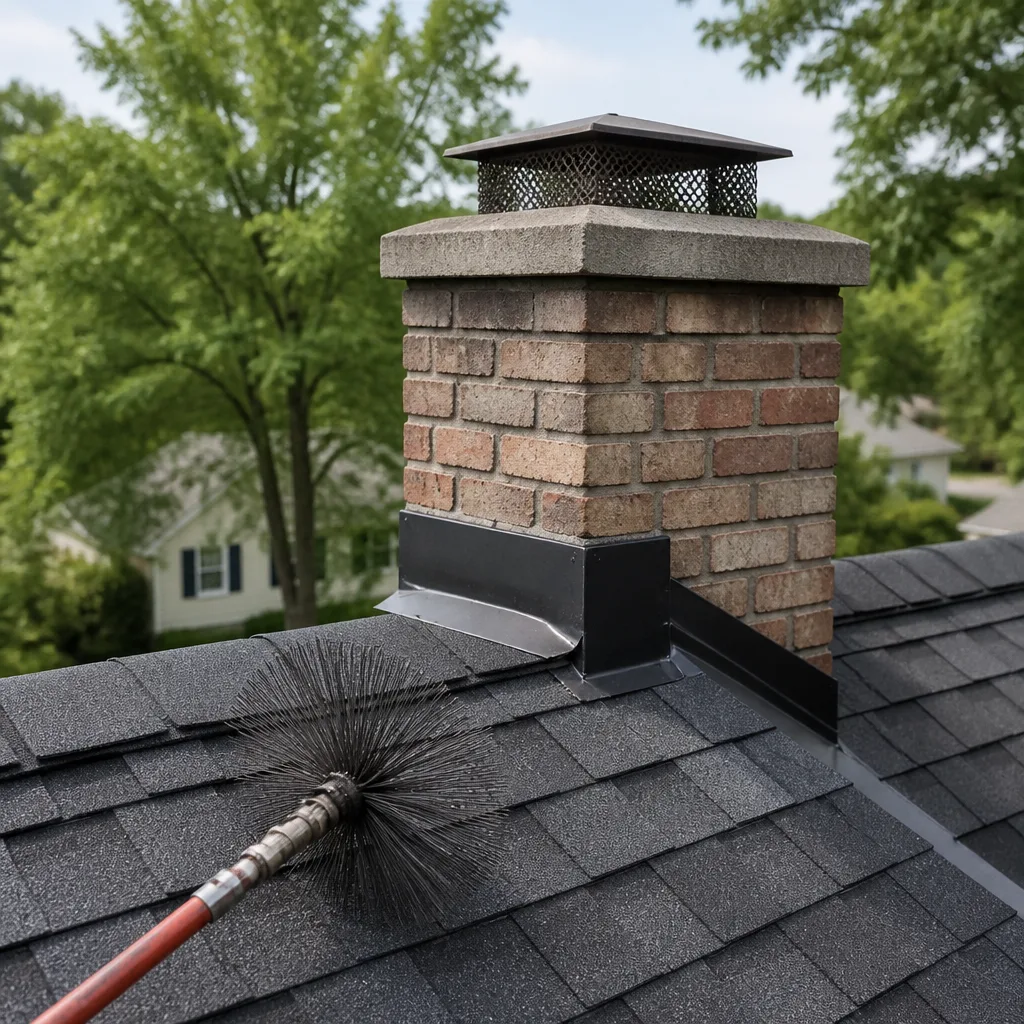
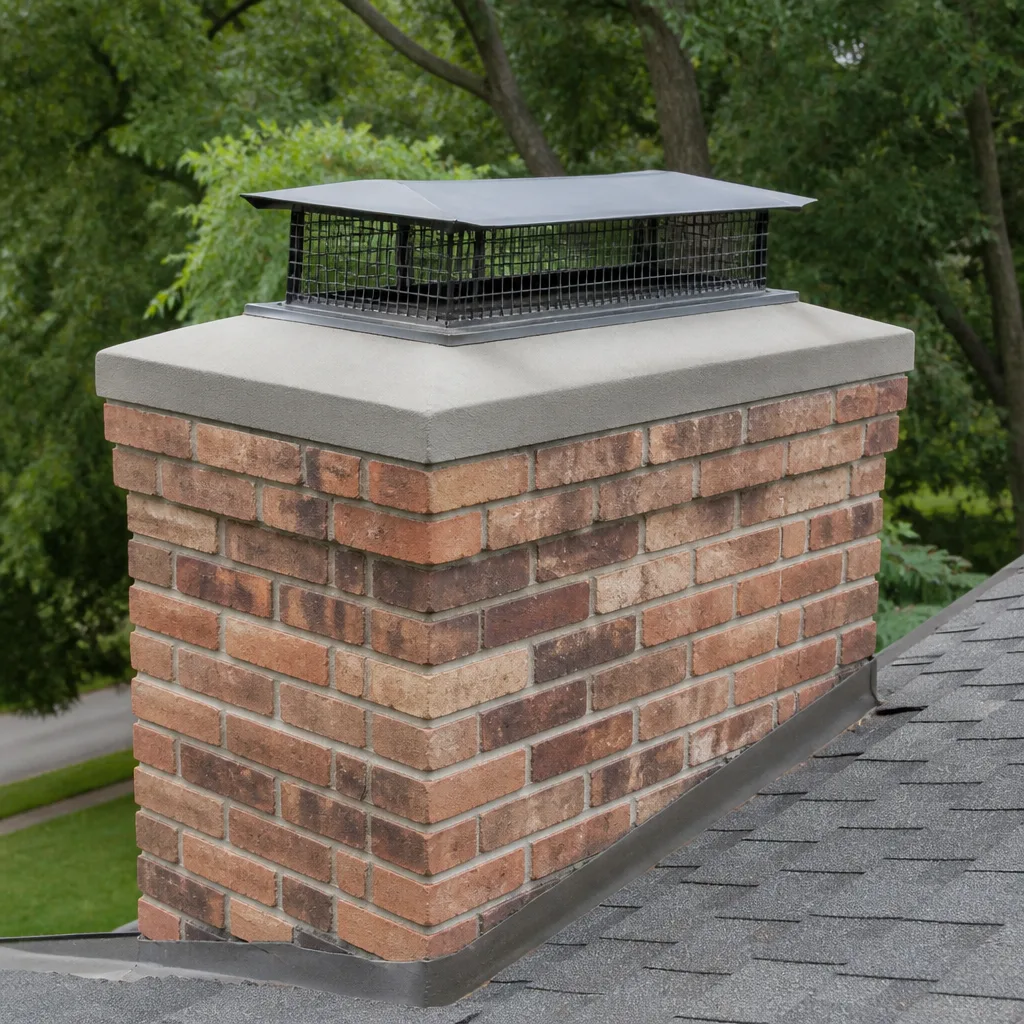
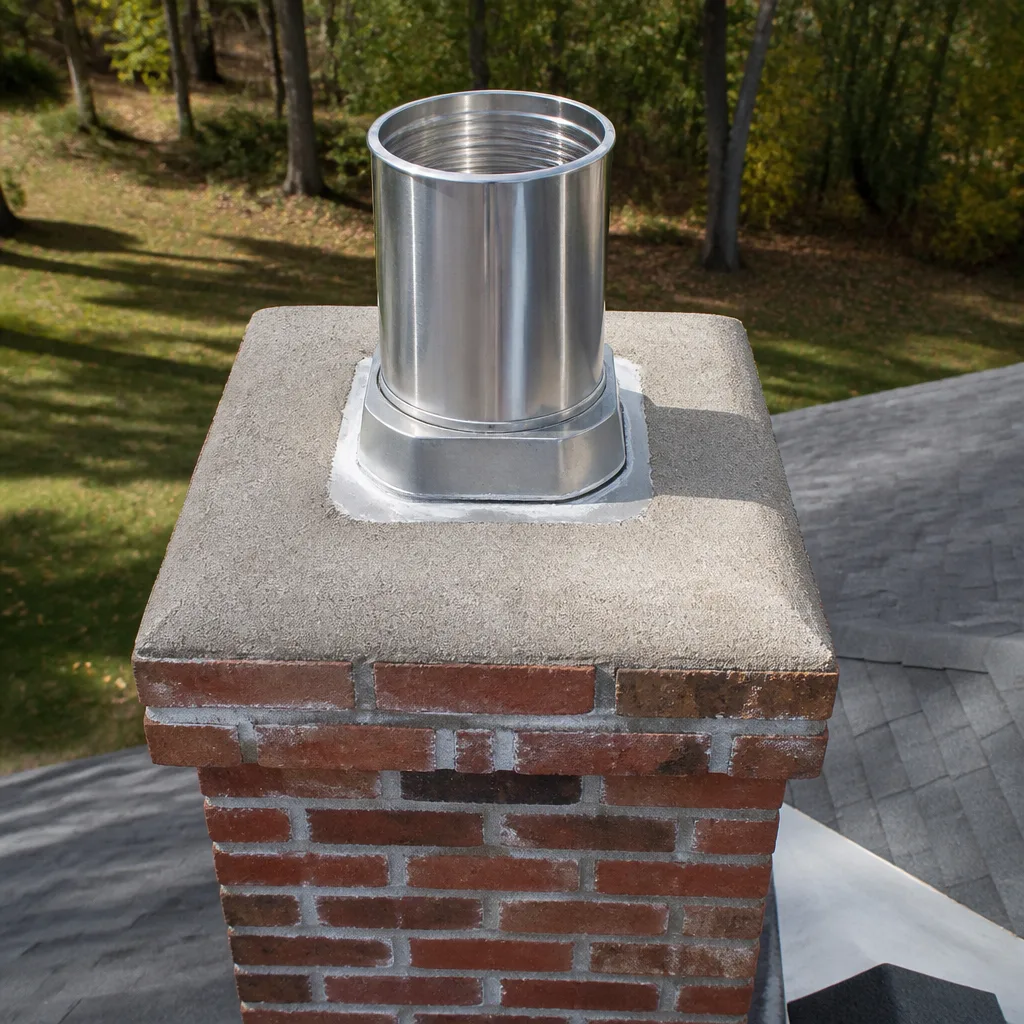
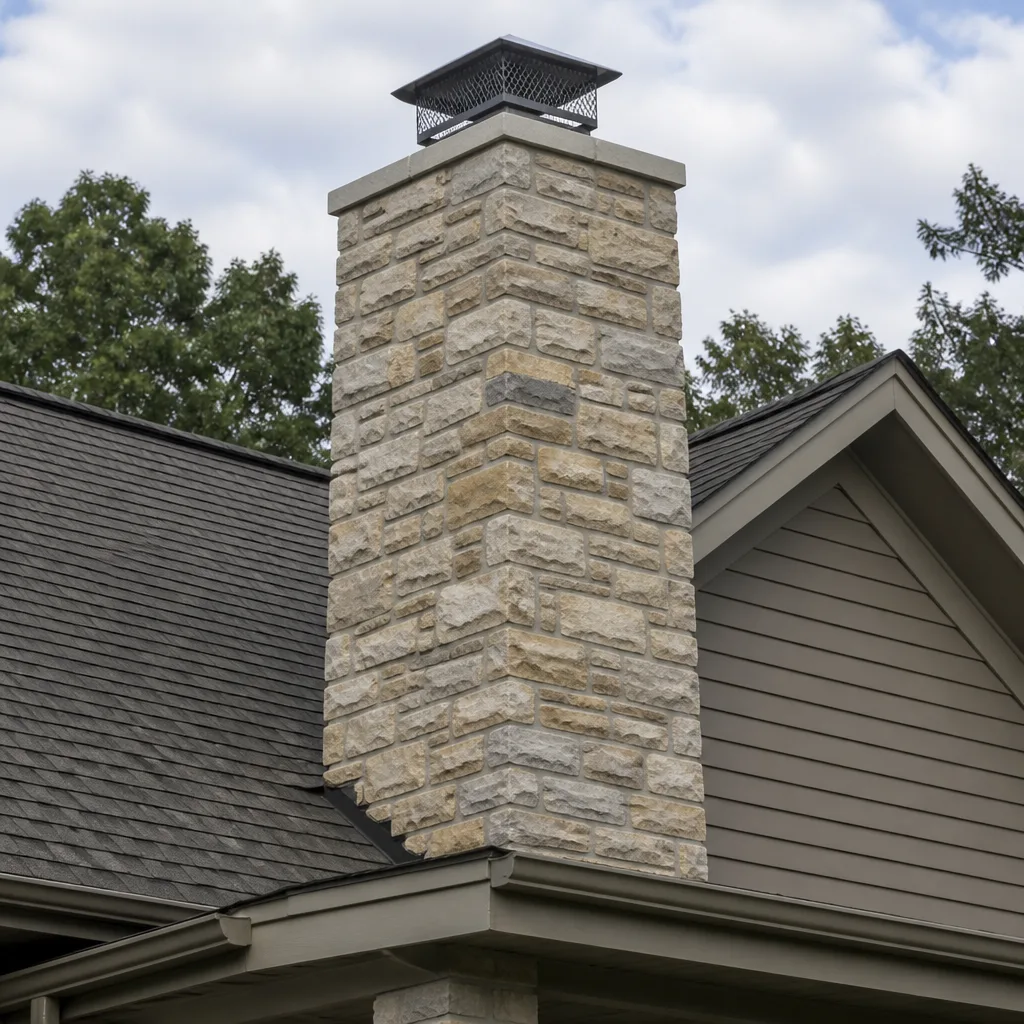
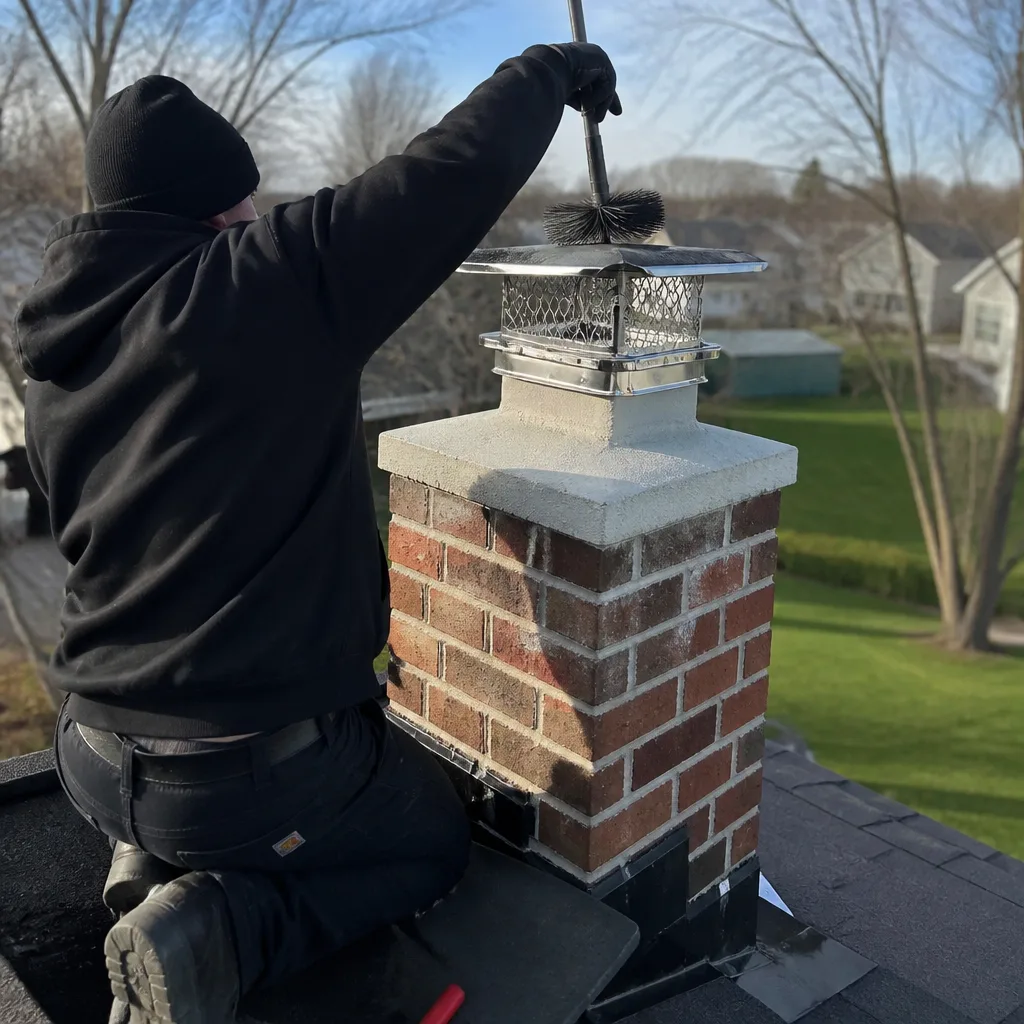
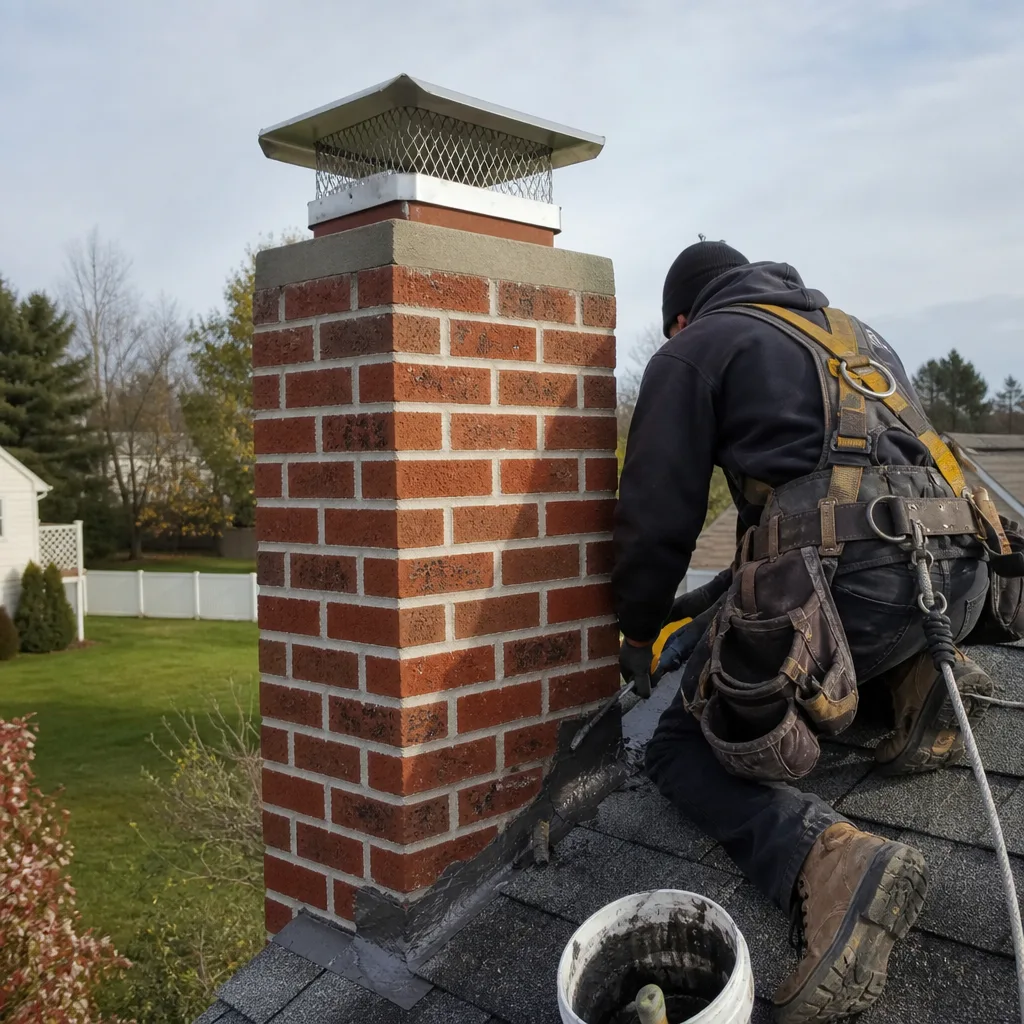
Level 1 sweep and inspection to the NFPA 211 annual standard - flue, crown, cap, and flashing checked and photographed
Chimney sweep logs do not sweep chimneys. They loosen some creosote - which then falls where a brush and vacuum still have to collect it.
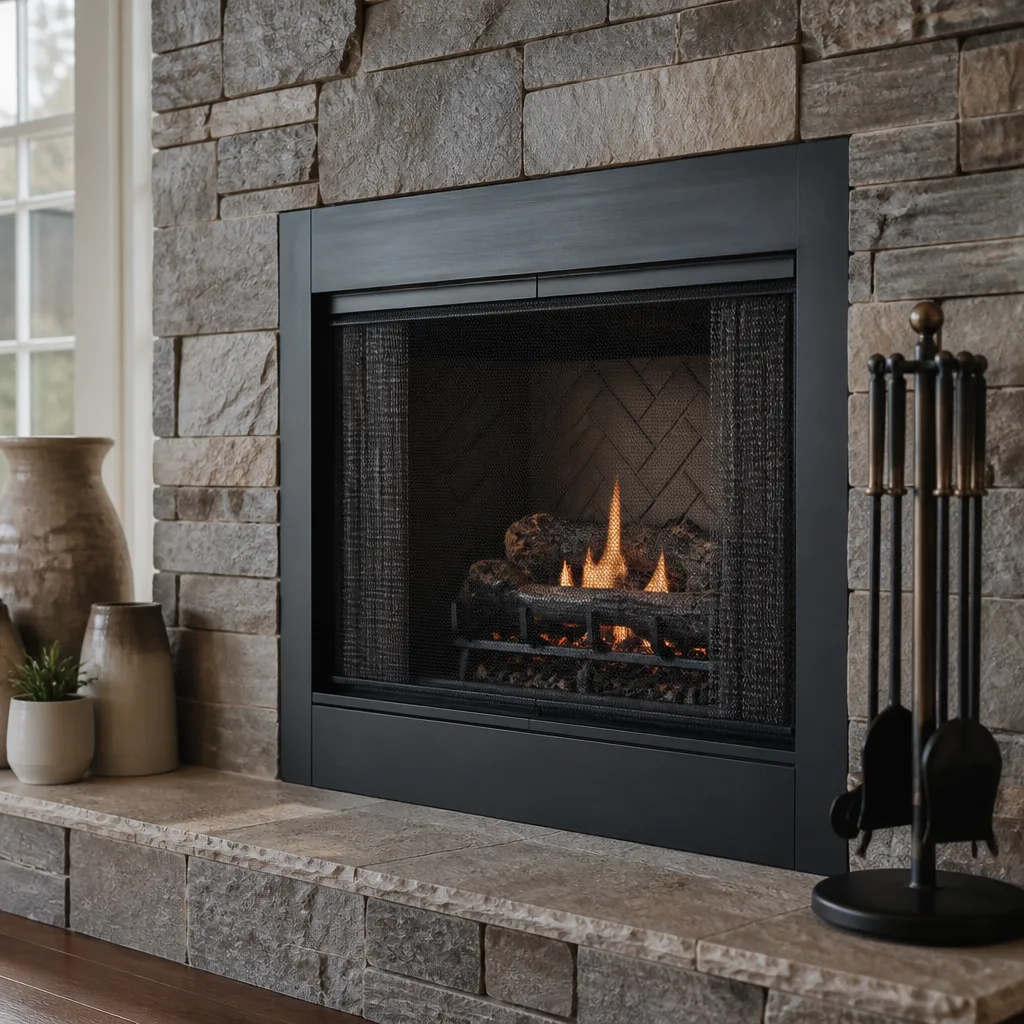
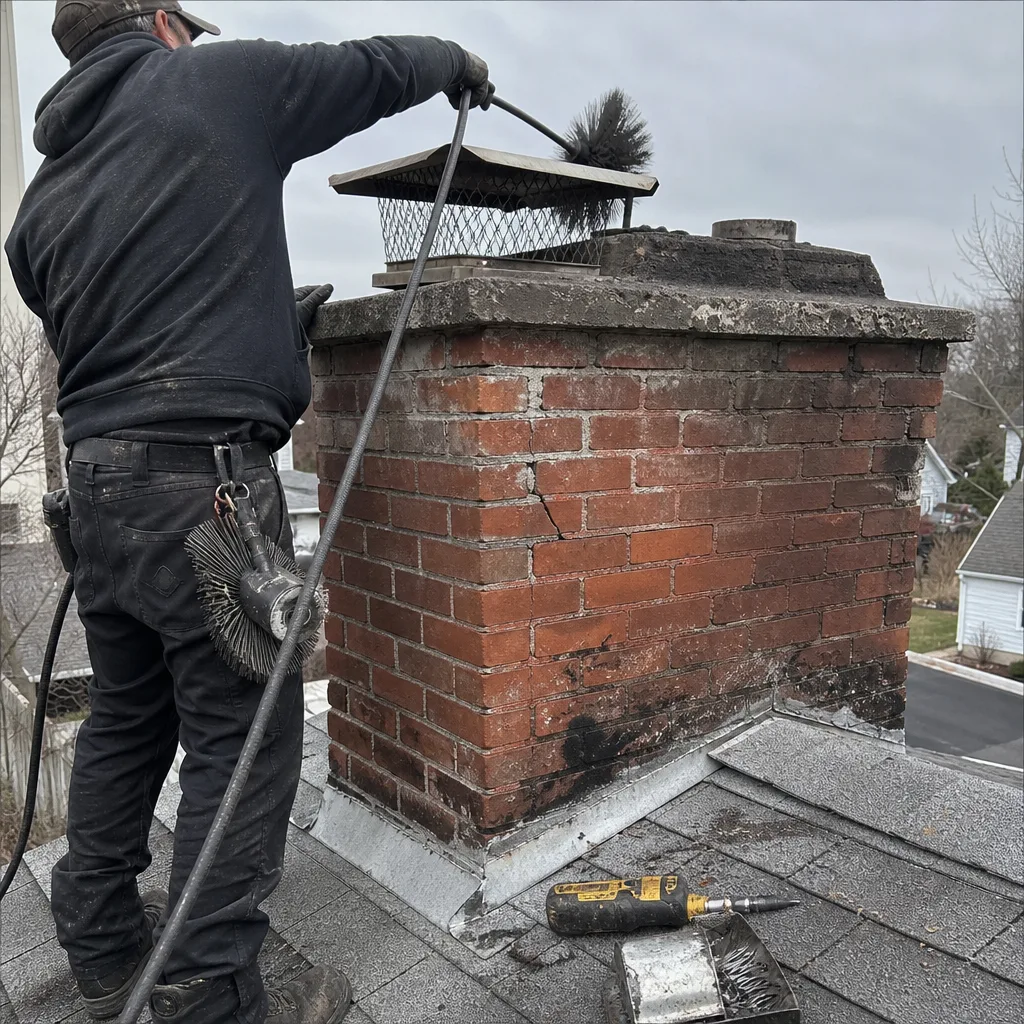 Before
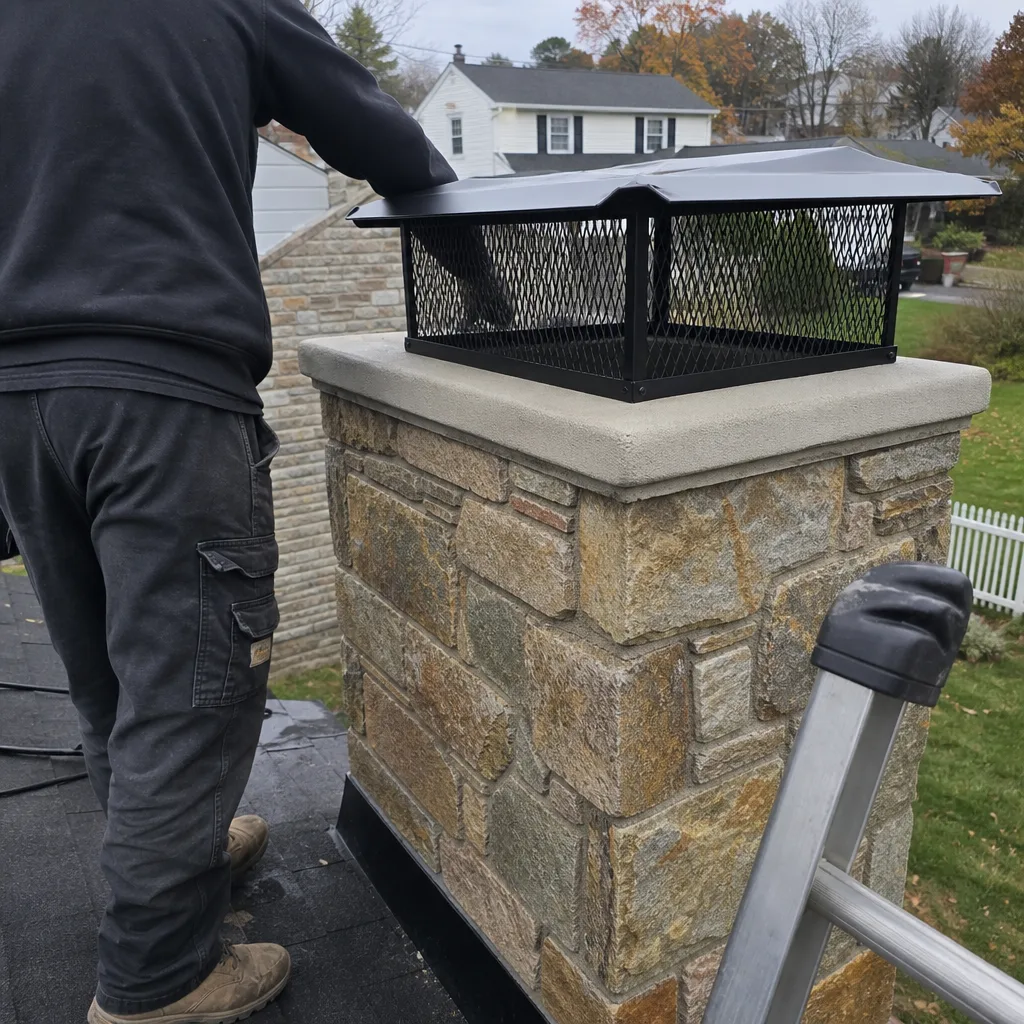 After
After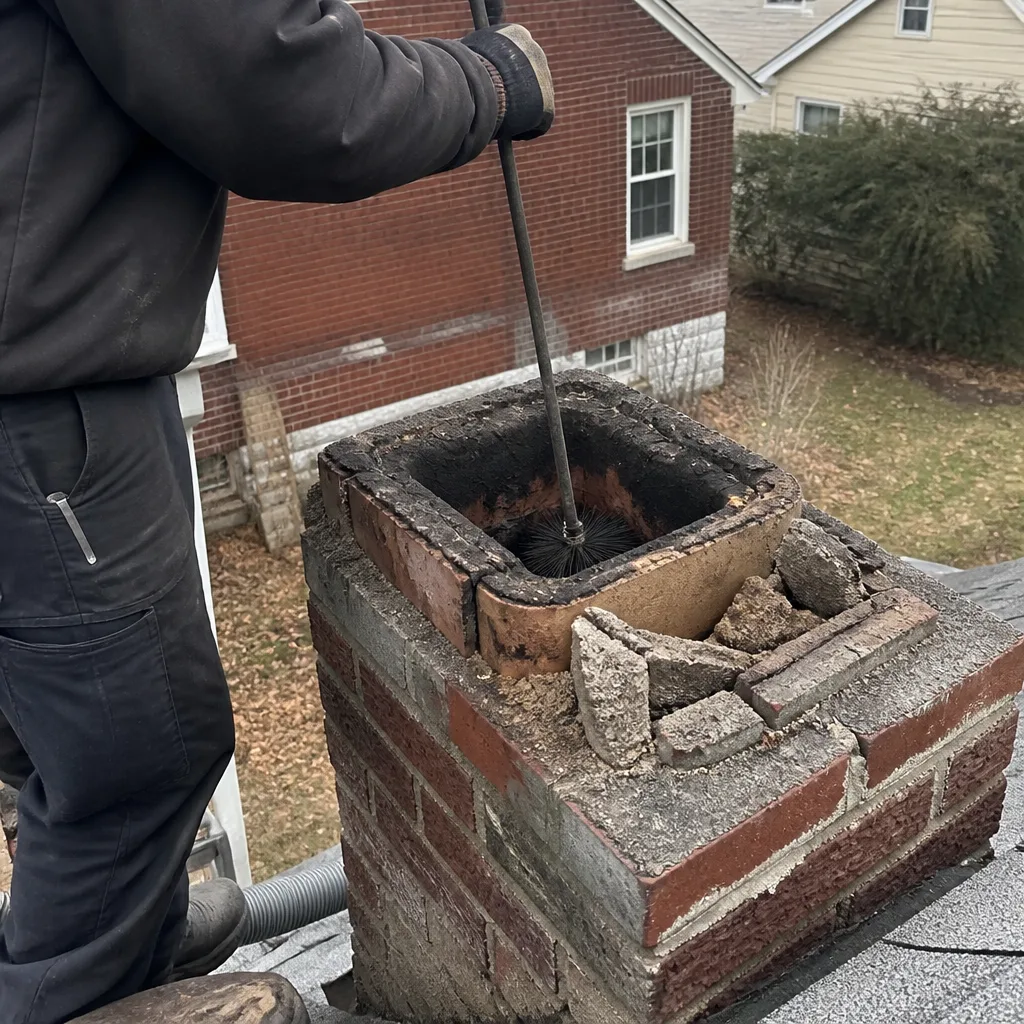 Before
 After
After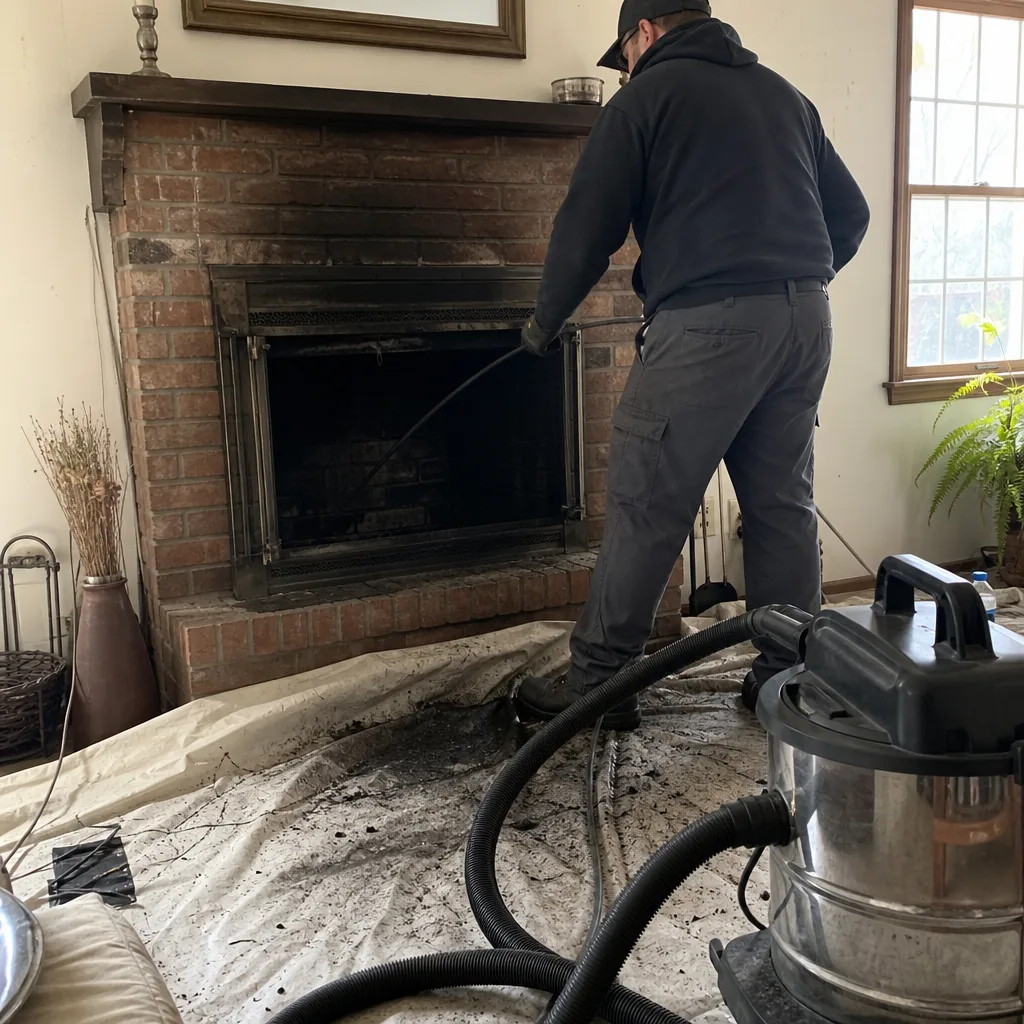 Before
 After
AfterThe Complete Guide to Chimney Cleaning in Allentown
The National Fire Protection Association reports that chimney fires cause over $125 million in property damage annually - yet the most common reason Allentown chimneys go uncleaned isn’t neglect, it’s that homeowners don’t know what they’re actually paying for when they hire someone. Most guides online repeat the same vague advice: “get it swept yearly.” For a deeper look at whether to tackle this yourself or call a pro, see our DIY vs Professional Chimney Cleaning: The Allentown Homeowner’s Decision Guide. They don’t show you what a proper cleaning looks like from the technician’s first step to the final photo, or how to spot the difference between a thorough job and a quick brush-through that leaves dangerous creosote behind. In this guide, we’ll walk through exactly what chimney cleaning means in Allentown’s specific housing stock - from the coal-burning residues still hiding in older flues to the creosote patterns we see in modern fireplaces - so you can judge the quality of any sweep’s work with your own eyes.
Quick Answer
Chimney cleaning in Allentown involves a certified technician removing combustible creosote and soot buildup from the flue, smoke chamber, and firebox, followed by a visual or camera inspection to verify safe operation. A thorough cleaning takes 45-90 minutes for a standard fireplace and should always include photo documentation and a written condition report. In Allentown’s climate, where freeze-thaw cycles accelerate masonry deterioration and older homes may carry coal-burning residues, annual cleaning is the minimum safe interval for wood-burning systems.
Table of Contents
- What Chimney Cleaning Actually Covers (Versus Inspection)
- How Allentown’s Housing Stock Creates Specific Chimney Challenges
- The Exact Sequence of a Thorough Chimney Cleaning
- Why Coal-Burning History Still Matters in Lehigh Valley Chimneys
- How to Read a Post-Cleaning Report Like a Professional
- What Chimney Cleaning Costs in Allentown
- Choosing a Qualified Chimney Sweep in Allentown
- Common Mistakes to Avoid
- When to Call a Professional
- Frequently Asked Questions
What Chimney Cleaning Actually Covers (Versus Inspection)
Homeowners routinely confuse a Level 1 inspection with a chimney cleaning, and some less reputable operators count on that confusion. Here’s the distinction that protects your wallet and your safety.
A Level 1 inspection is a visual examination of readily accessible portions of the chimney exterior, interior, and appliance connection. The technician looks for obstructions, creosote buildup, and basic structural soundness. It does not include cleaning. If a company offers a “$79 inspection special” and leaves soot in the flue, they’ve delivered exactly what they promised - and your chimney is no safer than when they arrived.
A chimney cleaning, properly performed, removes all combustible deposits from:
- The flue liner (clay tile, stainless steel, or cast-in-place)
- The smoke chamber (the area above the damper that funnels smoke into the flue)
- The firebox walls and floor
- The damper assembly and throat
- The chimney cap and spark arrestor, if accessible
In our experience across Allentown, the smoke chamber is where corner-cutting shows up most. It’s awkward to reach, difficult to see into without a light, and many sweeps give it a cursory pass. We’ve found smoke chambers in West End homes packed with glazed creosote that previous “cleanings” never touched. That glazed layer is the most combustible form of creosote - it ignites at lower temperatures and burns hotter than flaky or powdery deposits.
A proper cleaning should conclude with verification: either a follow-up visual inspection or, for systems with suspected damage, a Level 2 camera inspection that documents the flue’s interior condition with photographs you can see for yourself. At Hearthstone, every cleaning includes a basic post-sweep verification, and we upgrade to camera inspection when our technicians spot indicators of hidden damage.
How Allentown’s Housing Stock Creates Specific Chimney Challenges
Allentown’s architectural variety isn’t just character - it’s a map of different chimney problems. Understanding your home’s type helps you anticipate what a sweep should be looking for.
Center City row homes (pre-1940): These share party walls with narrow flues originally built for coal. The flue tiles are often 8×8 inches or smaller, with multiple bends where the chimney steps back through rooflines. Creosote accumulates heavily at these offsets. In winter, the shared masonry mass stays colder longer, slowing draft and increasing condensation - which means more liquid creosote that hardens into glazed deposits. We’ve replaced liners in row homes on Hamilton Street where the original clay tiles had cracked from thermal shock, a pattern common to these rapid heating and cooling cycles.
Stone colonials (1920s-1950s): The thick stone walls provide excellent structural integrity but create thermal mass problems. The flue stays cold well into a burn, especially on north-facing exposures common in the West Park and Trexler Park areas. Cold flues produce more creosote. These homes also tend to have larger, open fireplaces that were never designed for modern airtight stoves - a mismatch that leads to over-firing and accelerated liner deterioration.
Mid-century ranches (1950s-1970s): Found heavily in the suburbs south of Tilghman Street, these often have factory-built metal chimneys or masonry chimneys with single-wall flue liners. The metal systems are prone to corrosion at the cleanout tee, and we’ve found many where DIY stove installations created dangerous clearances to combustibles. The ranch’s shallow-pitch roof also means shorter chimneys with weaker natural draft, requiring more frequent cleaning to compensate for slower exhaust velocity.
Split-levels and contemporaries (1960s-1980s): These frequently feature prefabricated fireplaces with metal chimneys. The factory-built systems have specific cleaning protocols - using a standard wire brush on a stainless steel chimney can damage the inner wall. A qualified sweep should identify the manufacturer and follow their protocol, or use professional-grade materials like DuraFlex liners when replacement becomes necessary.
Allentown’s freeze-thaw cycle amplifies every problem. Water enters hairline cracks in masonry, expands when frozen, and widens those cracks over successive winters. A chimney that looks sound in October can have spalling brick and deteriorated mortar by March. This is why we document exterior conditions during every cleaning - the flue may be clean while the structure around it is failing.
The Exact Sequence of a Thorough Chimney Cleaning
Knowing what “done” looks like starts with knowing what happens in between. Here’s the sequence our technicians follow on every job, and what you should expect from any sweep you hire.
Before the Technician Arrives
- Clear the hearth area. Remove fireplace tools, decorative items, and anything within six feet of the work zone. The technician needs room for drop cloths, vacuum hoses, and equipment staging.
- Don’t burn for 24 hours. A cold system is safer to work on and prevents residual heat from damaging vacuum filters or making creosote more difficult to remove.
- Secure pets in another room. The equipment is loud, and doors will open for exterior roof access if needed.
The Cleaning Process
- Interior protection. Heavy canvas drop cloths cover the hearth extension and surrounding floor. A high-efficiency HEPA vacuum with triple filtration connects to a containment system at the damper. No soot should escape into your living space.
- Initial condition assessment. The technician examines the firebox, damper, and visible flue sections, noting cracks, missing mortar, or unusual deposits. This is documented with photographs.
- Mechanical cleaning of the flue. Using rotating brushes sized to the flue diameter - never smaller, which leaves deposits, and never forced larger, which damages tiles - the technician scrubs the full length. For glazed creosote, specialized chains or chemical treatments break down the hardened layer before mechanical removal.
- Smoke chamber cleaning. Hand brushes and scrapers reach the sloped walls above the damper. This is physically demanding work in tight quarters, which is why it’s so often skipped.
- Firebox and damper detail. Ash removal, firebrick inspection, damper cleaning and lubrication, and hardware adjustment.
- Exterior inspection. From the roof or using pole-mounted cameras, the technician examines the crown, cap, flashing, and visible flue termination. In Allentown’s older neighborhoods with mature tree cover, we frequently find cap damage from falling branches and nests from squirrels or starlings.
- Final verification and documentation. Post-cleaning photographs show the flue condition. The written report states what was found, what was done, and what if anything requires attention.
The entire process for a standard fireplace runs 45-90 minutes. If your sweep is in and out in twenty minutes, they didn’t complete this sequence. We’ve cleaned chimneys in Allentown where the previous “service” consisted of a brush run from the roof and a receipt - the smoke chamber was untouched and the firebox still held ash.
Why Coal-Burning History Still Matters in Lehigh Valley Chimneys
Allentown’s industrial heritage isn’t just historical curiosity - it’s a current safety factor in thousands of chimneys. Before the 1950s shift to oil and gas, most Lehigh Valley homes burned anthracite coal for heat. That legacy creates three specific conditions that standard wood-fire cleaning protocols can miss.
Sulfur residue in masonry. Coal contains significant sulfur, which combines with moisture to form sulfuric acid. Over decades, this acid degrades mortar joints from the inside out, a condition called pyrolysis that weakens the chimney structure even when exterior brick looks sound. We’ve opened flues in South Allentown homes where the mortar had turned to powder behind intact facing brick. Standard brushing doesn’t address this - it requires structural evaluation and often tuckpointing or rebuilding.
Modified flue dimensions. Coal boilers and furnaces required smaller flues than modern fireplaces or wood stoves. When homeowners later converted to wood-burning without relining, the oversized flue produces sluggish draft and heavy creosote deposition. The mismatch is common in homes that switched heating systems in the 1970s oil crisis. A proper cleaning should include measurement of flue area relative to the appliance outlet - a calculation many sweeps never perform.
Residual coal ash and clinker. We’ve found pockets of compacted coal ash in the smoke chambers and cleanout areas of homes that haven’t burned coal in forty years. This material is alkaline and corrosive to stainless steel liners if moisture reaches it. During cleaning, we specifically check these areas and remove any residual deposits.
The lesson: when interviewing a sweep in Allentown, ask specifically about coal-burning history and how they address it. A technician who treats your chimney like any suburban wood-burning system is missing information that affects your safety.
How to Read a Post-Cleaning Report Like a Professional
The report you receive after cleaning should be a working document, not a checkmark sheet. Here’s what separates useful documentation from paperwork designed to be filed and forgotten.
A plain-English verdict. The report should state in direct language whether the system is safe to operate, safe with noted conditions, or unsafe pending repair. Vague language like “monitor for future issues” without specific parameters is a red flag. At Hearthstone, our reports conclude with a clear statement: “This system is safe to operate as configured,” or “This system requires [specific repair] before safe operation,” or “This system should be monitored with re-inspection in [timeframe] for [specific condition].”
Dated photographs with annotations. Every significant finding should have a corresponding photo with the date, address, and technician identification. You should be able to match the image to the written description without interpretation. We’ve reviewed competitor reports where “crack in flue tile” was described without photographic evidence - the homeowner had no way to verify severity or even existence.
Measurable data. Flue dimensions, creosote thickness before cleaning, clearance measurements to combustibles. These numbers create a baseline for comparison at the next service. If your report contains no measurements, it contains no benchmark.
Specific recommendations with priority ranking. Not every finding requires immediate action. A useful report distinguishes between “repair before next burning season,” “monitor during annual service,” and “optional improvement for efficiency.” This is where the Hearthstone Chimney Co. home approach differs from high-pressure operations - we document what we find, explain what it means, and let you decide the timeline based on actual risk, not sales urgency.
Written guarantee reference. The report should note what guarantee covers the work performed. Our 90-Day Done Right Promise is referenced on every report - in writing, no arguing, if it’s not right, we come back.
What Chimney Cleaning Costs in Allentown
Pricing transparency matters, especially for homeowners who’ve been surprised by add-ons. Here’s what chimney cleaning costs in the Allentown market, based on our 42 years of local service.
| Service | Typical Range | What’s Included |
|---|---|---|
| Standard fireplace cleaning (Level 1 + sweep) | $189 - $289 | Full flue brushing, smoke chamber cleaning, firebox detail, basic exterior inspection, written report with photos |
| Wood stove or insert cleaning | $219 - $329 | Stove disconnect/reconnect, flue liner brushing, baffle removal and cleaning, gasket inspection, reassembly and draft test |
| Level 2 camera inspection (when needed) | $249 - $379 | Video scan of full flue length, digital documentation, plain-English verdict on liner condition |
| Glazed creosote removal (chemical treatment + mechanical) | $150 - $250 additional | Application of creosote-modifying agent, follow-up visit for mechanical removal after curing period |
| Factory-built fireplace cleaning | $199 - $299 | Manufacturer-protocol cleaning, metal chimney inspection, chase cover and termination check |
Factors that increase cost legitimately: multi-story chimneys requiring roof access equipment, heavily glazed creosote requiring chemical pre-treatment, animal removal and deodorizing, and systems that haven’t been cleaned in multiple years. Factors that should not increase cost: “discovery” of problems that weren’t visible during the initial assessment, pressure to add services not mentioned in the estimate.
Our standing offer: $89 Seasonal Tune-Up for qualifying systems during our preseason scheduling period. We also offer a permanent 5% Senior and Veteran discount and $50 off any repair over $250. Every estimate is flat-price and agreed before booking - the number on the estimate is the number on the invoice.
Choosing a Qualified Chimney Sweep in Allentown
Pennsylvania does not license chimney sweeps. Anyone with a brush and a ladder can advertise the service. For detailed guidance, read our How to Hire a Chimney Cleaning Contractor in Allentown: A Step-by-Step Guide. Here’s how to verify competence before you invite someone into your home.
Certification through a recognized body. The Chimney Safety Institute of America (CSIA) certification is the industry standard. It requires passing examinations on fire science, building codes, and safety standards, with recertification every three years. Ask for the technician’s CSIA number and verify it online. Membership in the National Chimney Sweep Guild (NCSG) indicates ongoing professional engagement.
Insurance verification. Request a certificate of insurance showing general liability and workers’ compensation coverage. Uninsured sweeps are common in the cash-market economy, and a fall from your roof becomes your homeowner’s policy’s problem.
Local reputation verification. Check how long the company has operated at a local address, not just how many reviews they’ve collected. Hearthstone has served Allentown and surrounding communities for over 42 years from our established location - we’re not a storm-chasing operation that appeared last season.
Process explanation. A competent sweep should be able to describe their cleaning sequence in detail, including how they protect your home, what equipment they use, and what documentation you receive. Vague answers suggest vague work.
Material quality. When repair or relining is needed, ask what products the company uses. We specify HeatShield for cerfractory resurfacing, Gelco and Olympia Chimney for caps and accessories, and DuraFlex for stainless steel liner installations - professional-grade materials with documented performance, not generic substitutes.
Communication standards. Will a live person answer your call, or are you leaving voicemail and waiting for callbacks? Our phones are staffed 24 hours a day, 7 days a week, by a live person - not an app, not a queue, not “we’ll get back to you.”
Common Mistakes to Avoid
- Hiring based on lowest price alone. In Allentown’s competitive market, “$99 whole-house special” pricing typically means rushed work, no documentation, and upsell pressure. We’ve been called to re-clean chimneys that were “serviced” two weeks prior - the homeowner paid twice because the first sweep didn’t actually remove the creosote.
- Confusing inspection and cleaning. A Level 1 inspection without cleaning leaves combustible deposits in place. Make sure you understand which service you’re purchasing. If a company offers “inspection and cleaning” as separate line items, that’s honest. If they use the terms interchangeably, that’s a warning.
- Ignoring the smoke chamber. Many homeowners never look above the damper, so they never know if this critical area was cleaned. Ask specifically: “Did you clean the smoke chamber?” A legitimate sweep can describe what they found there.
- Skipping post-cleaning documentation. Without photos and a written report, you have no record of your chimney’s condition for insurance purposes, home sale requirements, or comparison at next year’s service. We provide dated, annotated documentation on every job.
- DIY cleaning with inadequate tools. Hardware store brushes are often incorrectly sized and lack the rigging for proper contact pressure. More critically, without inspection capability, you clean what you can reach and miss what you can’t see - including cracked flue tiles that make the system unsafe regardless of cleanliness.
- Neglecting factory-built fireplace protocols. Using standard wire brushes on stainless steel factory chimneys can damage the inner wall and void warranties. These systems require manufacturer-specific approaches that many general handymen don’t know.
- Waiting for visible problems. By the time you see staining on the chimney breast or smell smoke in the house, damage is already occurring. Annual cleaning catches conditions before they become expensive repairs or safety hazards.
When to Call a Professional
Call a certified chimney sweep immediately if you notice smoke entering your living space, a strong tar-like odor from the fireplace, visible creosote flakes falling into the firebox, or white efflorescence staining on exterior masonry. These indicate active problems that cleaning alone may not resolve. Also schedule service before installing any new heating appliance, after any chimney fire event (even minor ones that self-extinguished), and before selling your home - most purchase agreements require a clean bill of health from a qualified inspection.
In Allentown’s older neighborhoods, we recommend professional evaluation before converting any fireplace to gas logs or inserts, as original flue sizing and coal-burning residue may create compatibility issues. Hearthstone Chimney Co. offers free estimates in Allentown - call (610) 632-1394 to schedule. A live person answers every call, 24 hours a day, and our background-checked, uniformed technicians complete most jobs in a single visit with no-hassle upfront pricing.
Frequently Asked Questions
A standard fireplace cleaning and Level 1 inspection in Allentown typically runs $189 to $289, while wood stove or insert cleaning ranges from $219 to $329. Heavily glazed creosote, multi-story access, or systems neglected for multiple years may increase cost. Call (610) 632-1394 for an exact quote - estimates are free.
The National Fire Protection Association recommends annual inspection, with cleaning as needed based on creosote accumulation. For a complete seasonal breakdown, see our Seasonal Chimney Cleaning Care for Allentown: Year-Round Homeowner’s Guide. In Allentown’s climate, where cold starts and coal-burning residue increase deposit rates, most wood-burning systems need annual cleaning. Gas systems should be inspected every two to three years for venting integrity and debris obstruction.
You need a new liner when the existing one is damaged, improperly sized, or absent - conditions we verify with camera inspection, not guesswork. Cracked clay tiles, gaps at joints, or corrosion in metal liners create fire and carbon monoxide hazards that cleaning cannot fix. At Hearthstone, no liner replacement is recommended without photographic evidence you can see yourself, and we’ll tell you plainly when a condition can be monitored rather than immediately repaired.
Skipped cleaning allows creosote to accumulate, increasing chimney fire risk and potentially obstructing flue gases including carbon monoxide. In Allentown’s freeze-thaw climate, deferred maintenance also means undetected masonry damage worsens through winter cycles, turning minor tuckpointing into major rebuilds. The cost of annual cleaning is a fraction of fire damage restoration or structural chimney repair.
Homeowners can remove light ash and debris from the firebox, but flue cleaning requires proper brush sizing, rigging equipment, and post-cleaning inspection capability that most homeowners don’t have. For more guides & resources on maintaining your system safely, explore our blog. More importantly, without camera verification, you cannot assess flue tile condition or identify hidden damage. For safety-critical work, a trained professional is the sound choice - and in our experience, DIY attempts often cost more when we correct brush damage or missed deposits.
A sweep removes deposits; an inspection evaluates condition. They’re related but distinct services. A cleaning without inspection can’t confirm system safety; an inspection without cleaning leaves combustible material in place. At Hearthstone, our standard service combines both, with camera inspection available when visual examination reveals conditions requiring closer documentation.
The Bottom Line
Chimney cleaning in Allentown is not a commodity service - the quality of work varies dramatically, and the consequences of poor work range from wasted money to house fire. This guide has shown you exactly what thorough cleaning involves, how Allentown’s specific housing stock and industrial history create unique conditions, and how to read documentation that proves the job was done right. The master sweep’s standard is simple: the flue is clean, the structure is sound, the documentation is clear, and the homeowner understands what they paid for. Anything less is incomplete.
Call (610) 632-1394 to schedule your chimney cleaning with Hearthstone Chimney Co. A live person answers 24 hours a day. We bring 42 years of local experience, background-checked uniformed technicians, and the 90-Day Done Right Promise - in writing, no arguing. Done right, and we stand behind it.
Written by Russell Haines, Owner at Hearthstone Chimney Co., serving Allentown since 2014.