
Last updated September 10, 2026
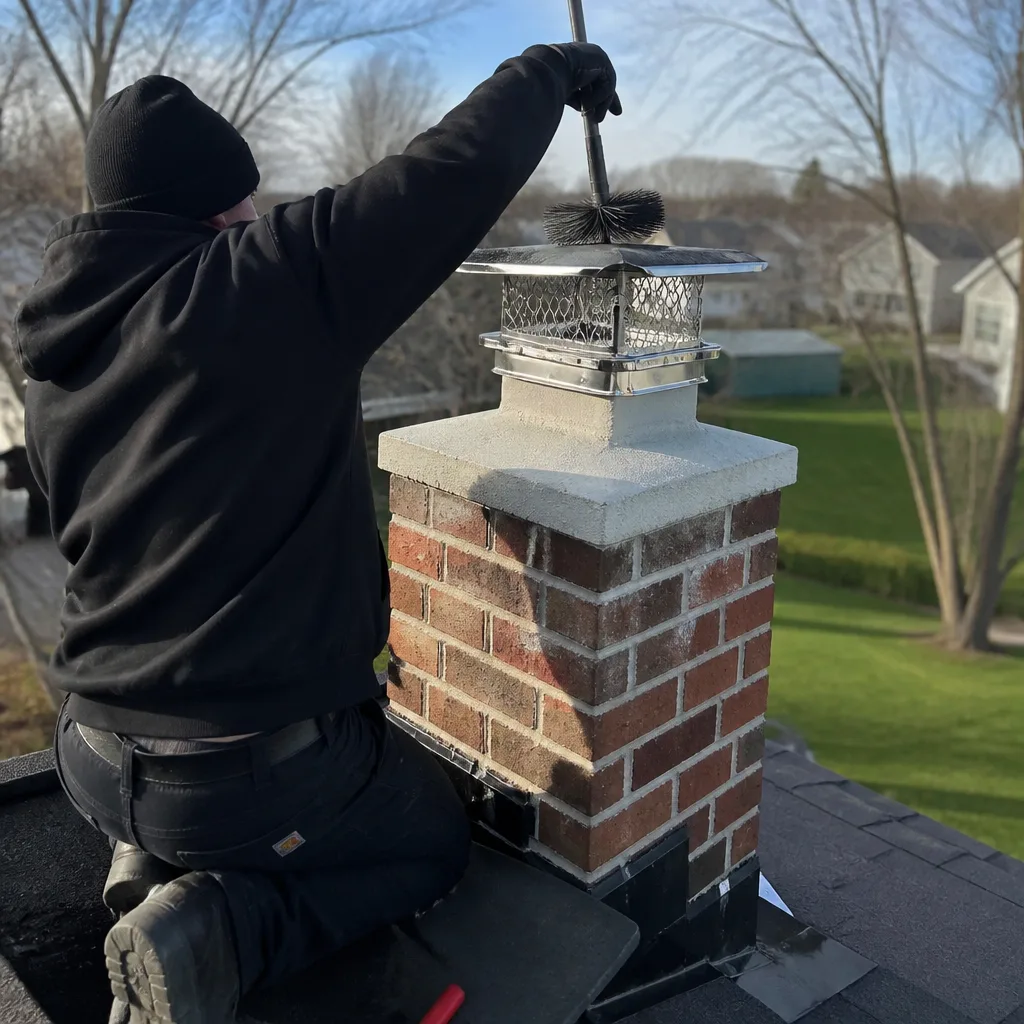
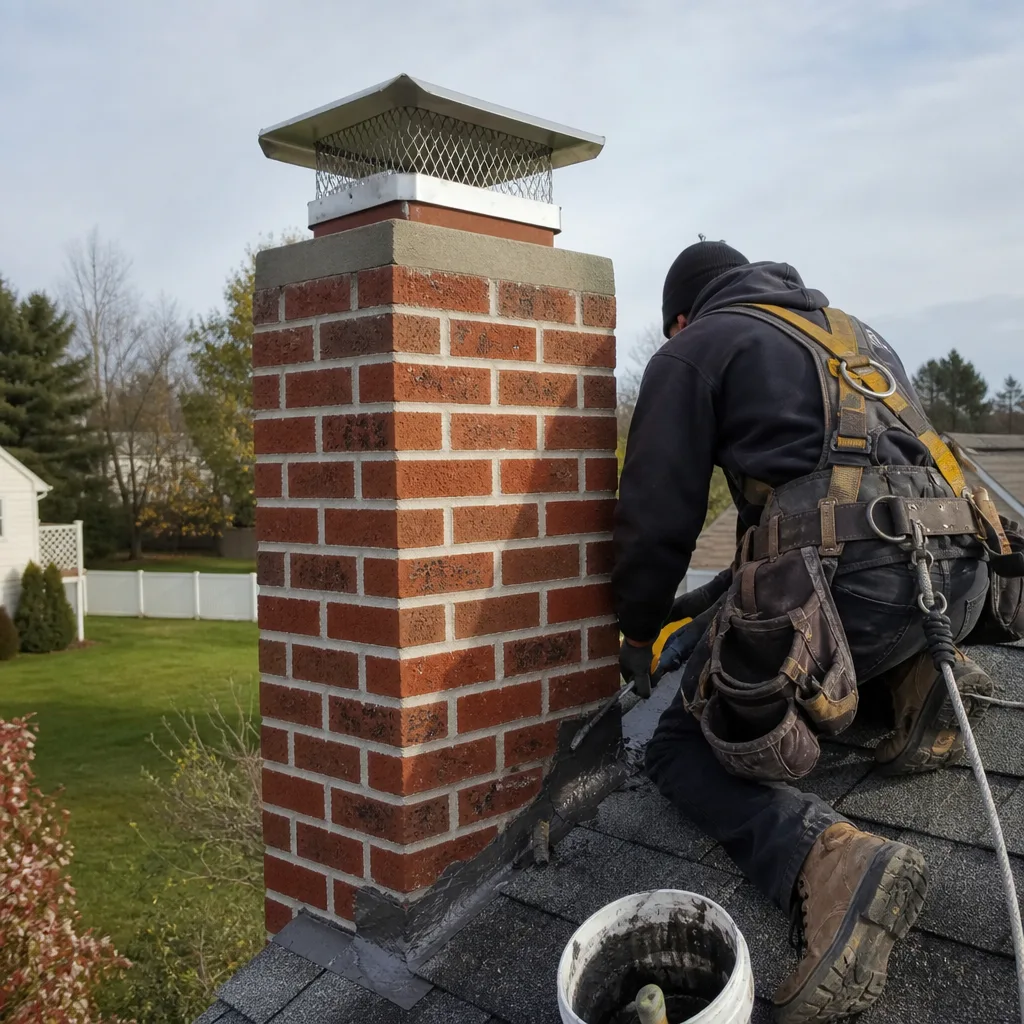
Level 1 sweep and inspection to the NFPA 211 annual standard - flue, crown, cap, and flashing checked and photographed
Chimney sweep logs do not sweep chimneys. They loosen some creosote - which then falls where a brush and vacuum still have to collect it.
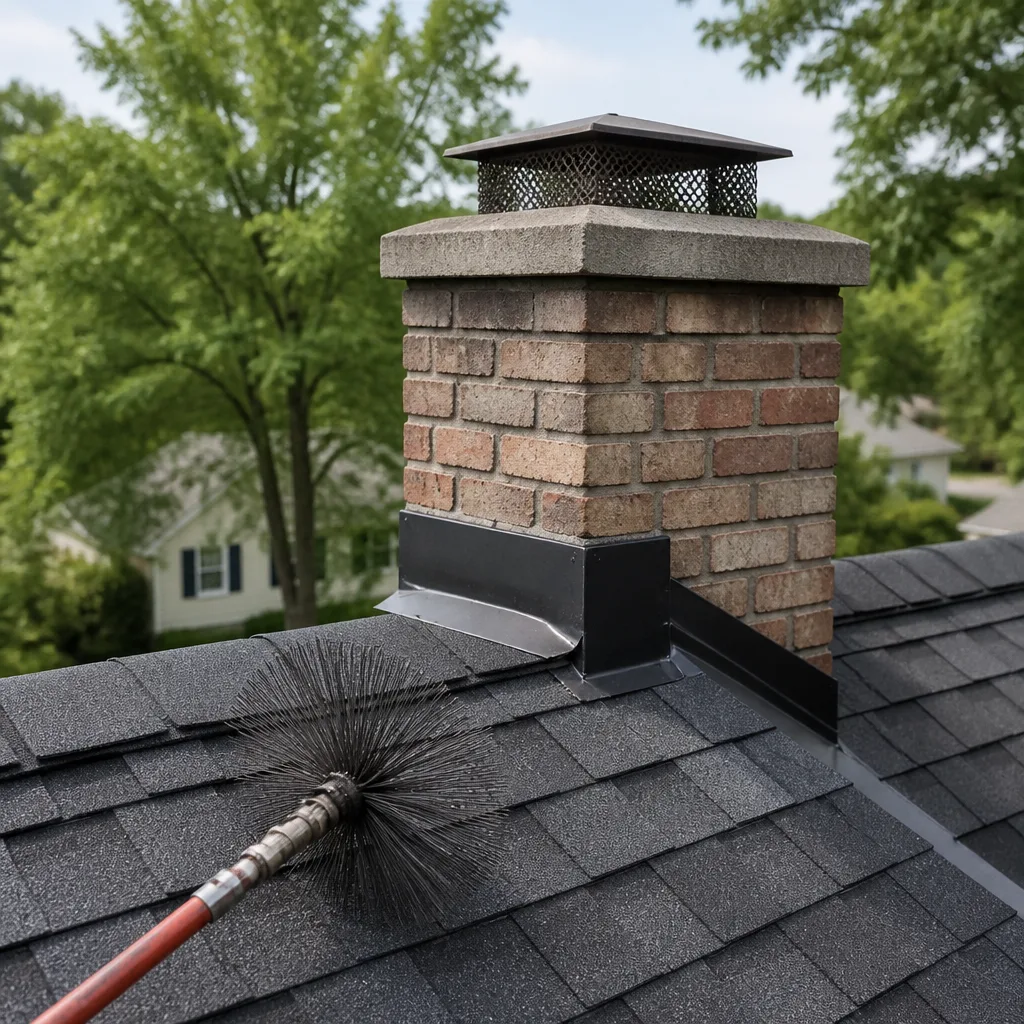
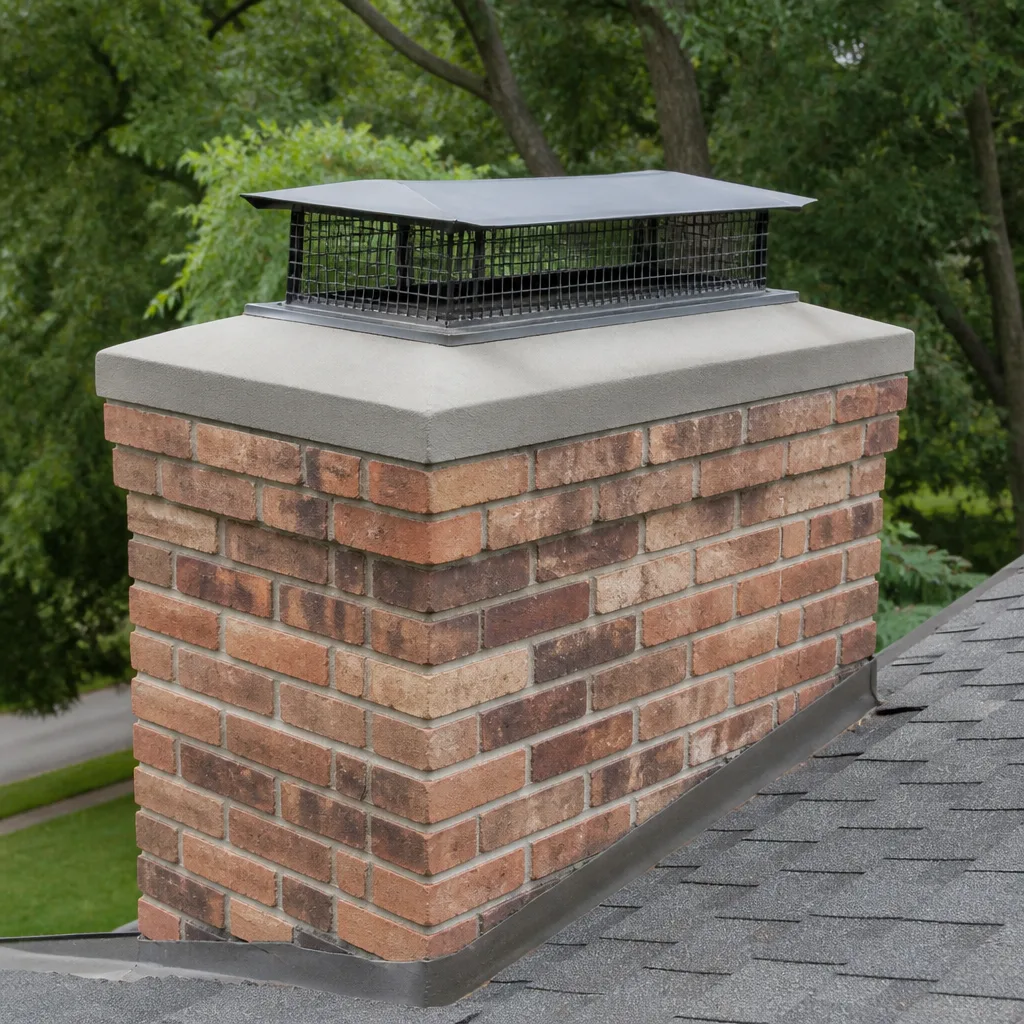
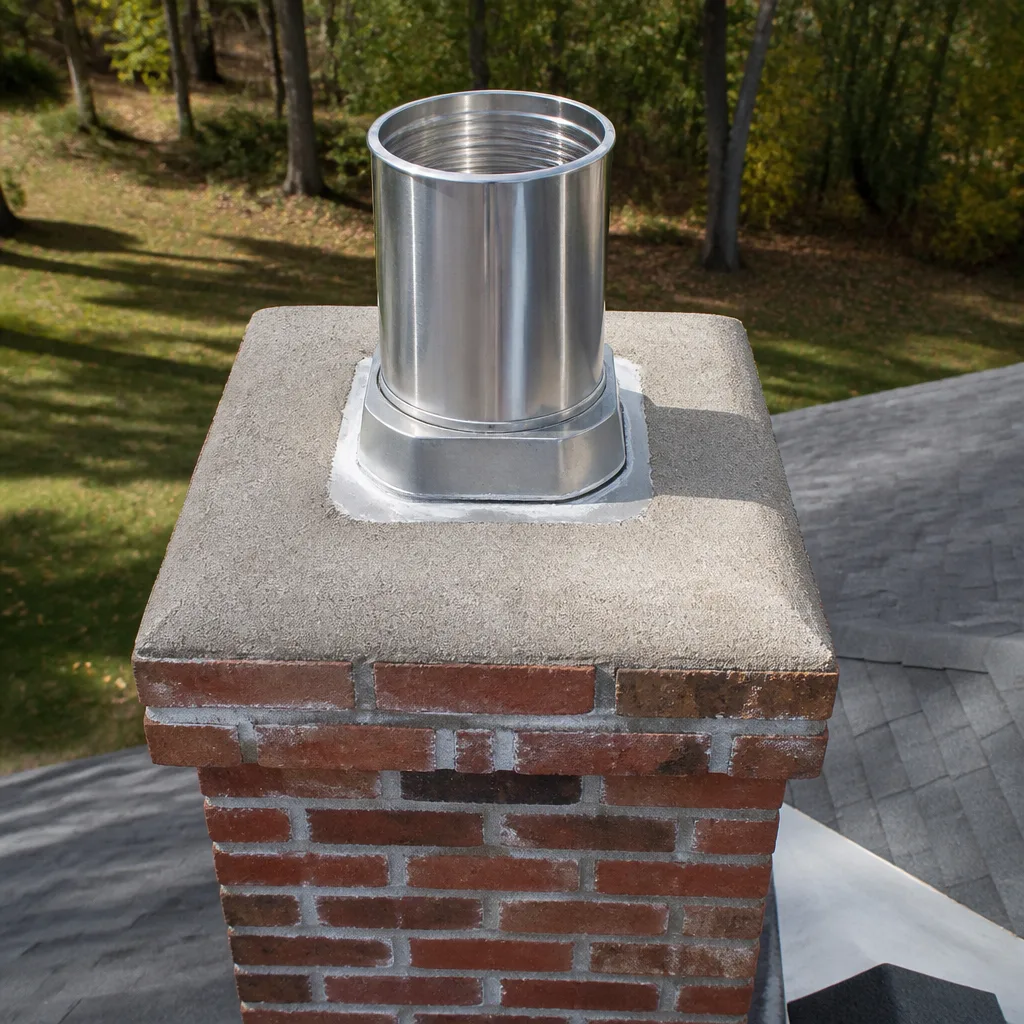
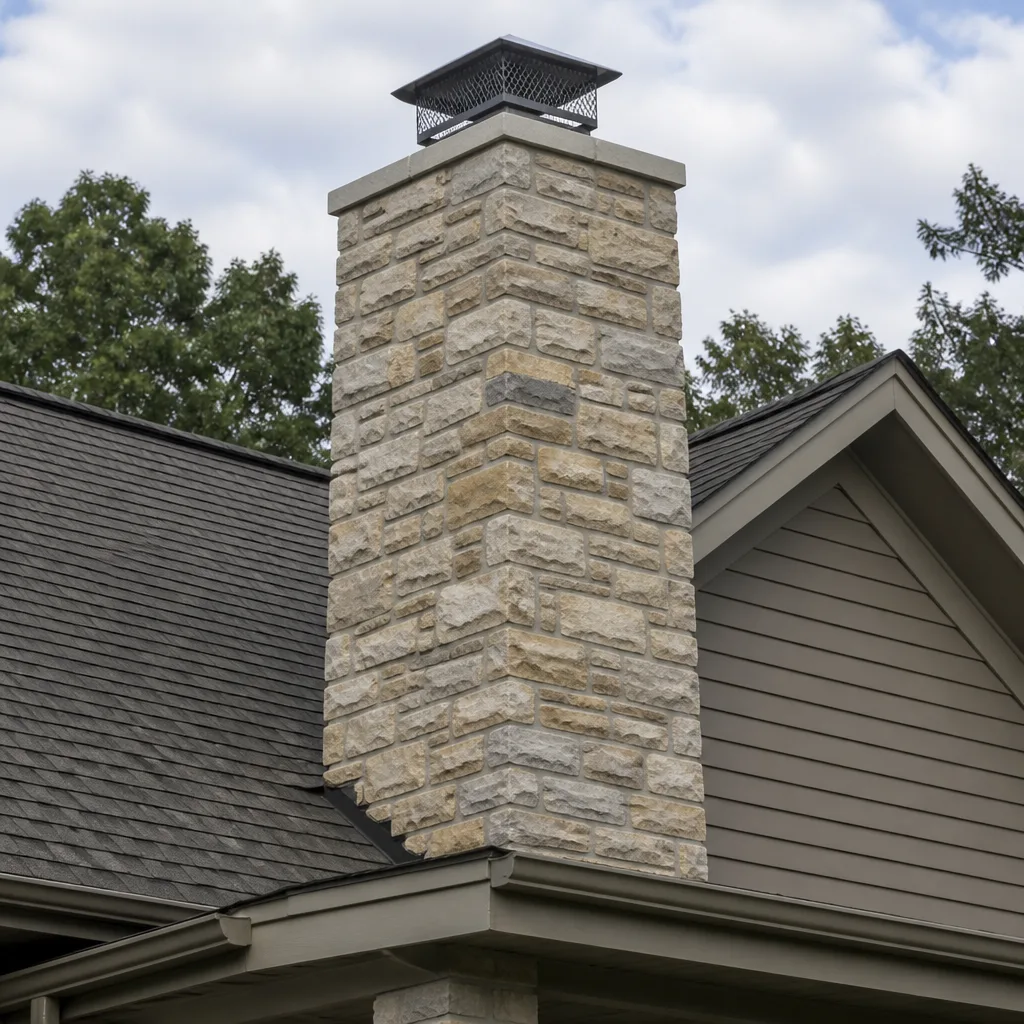
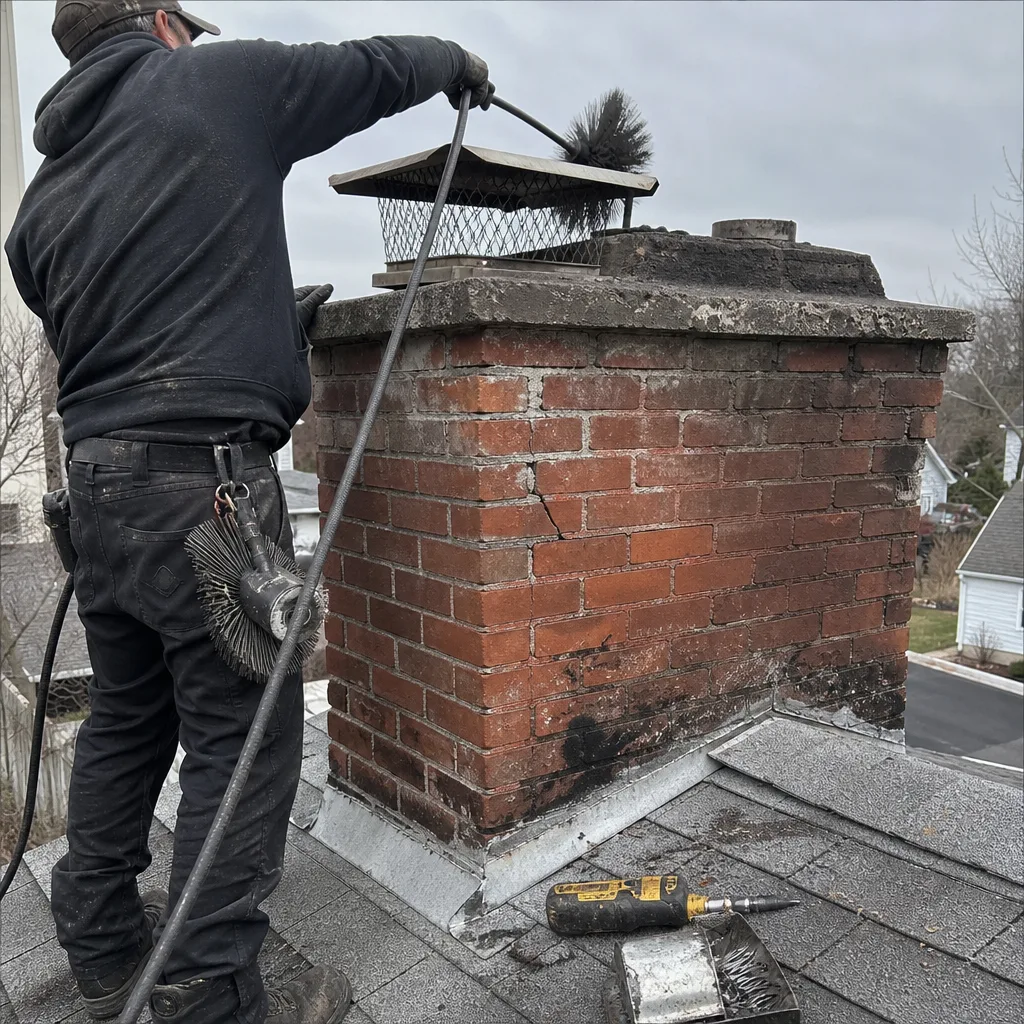 Before
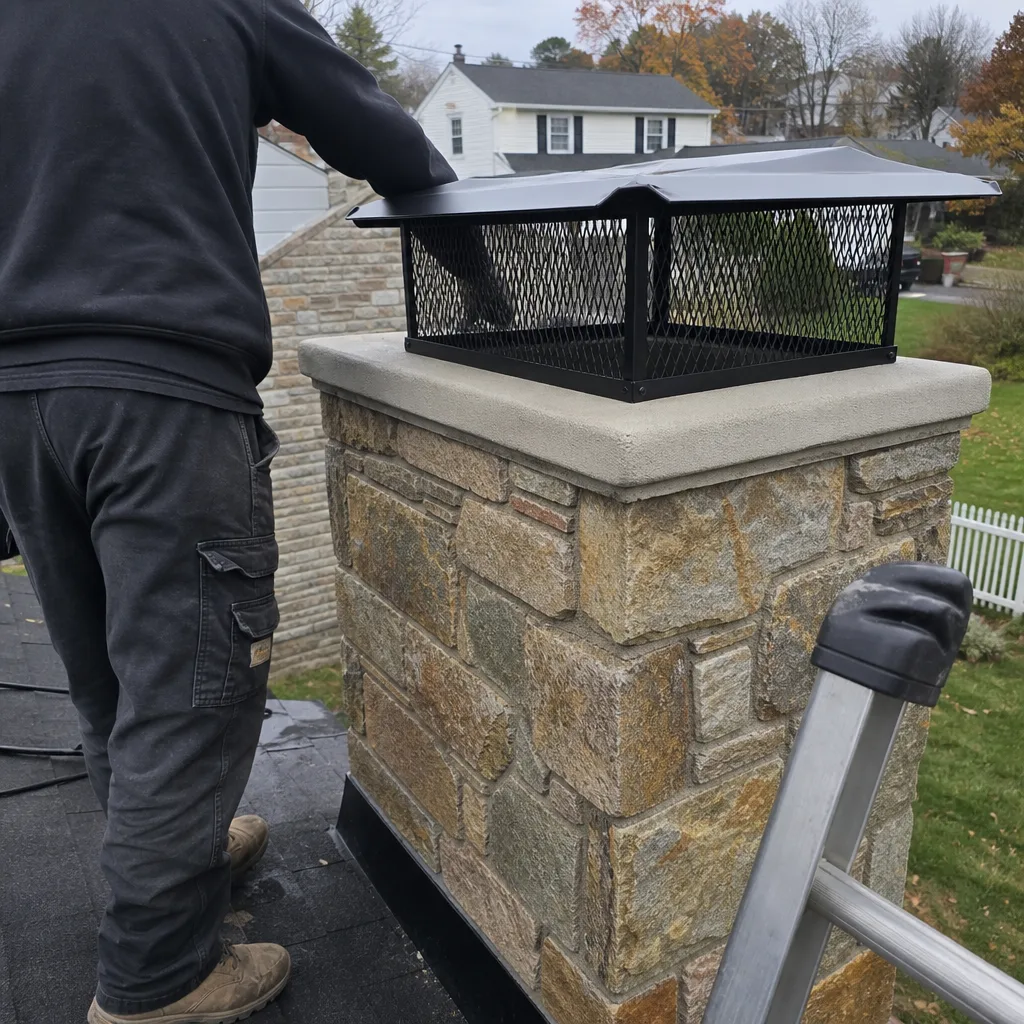 After
After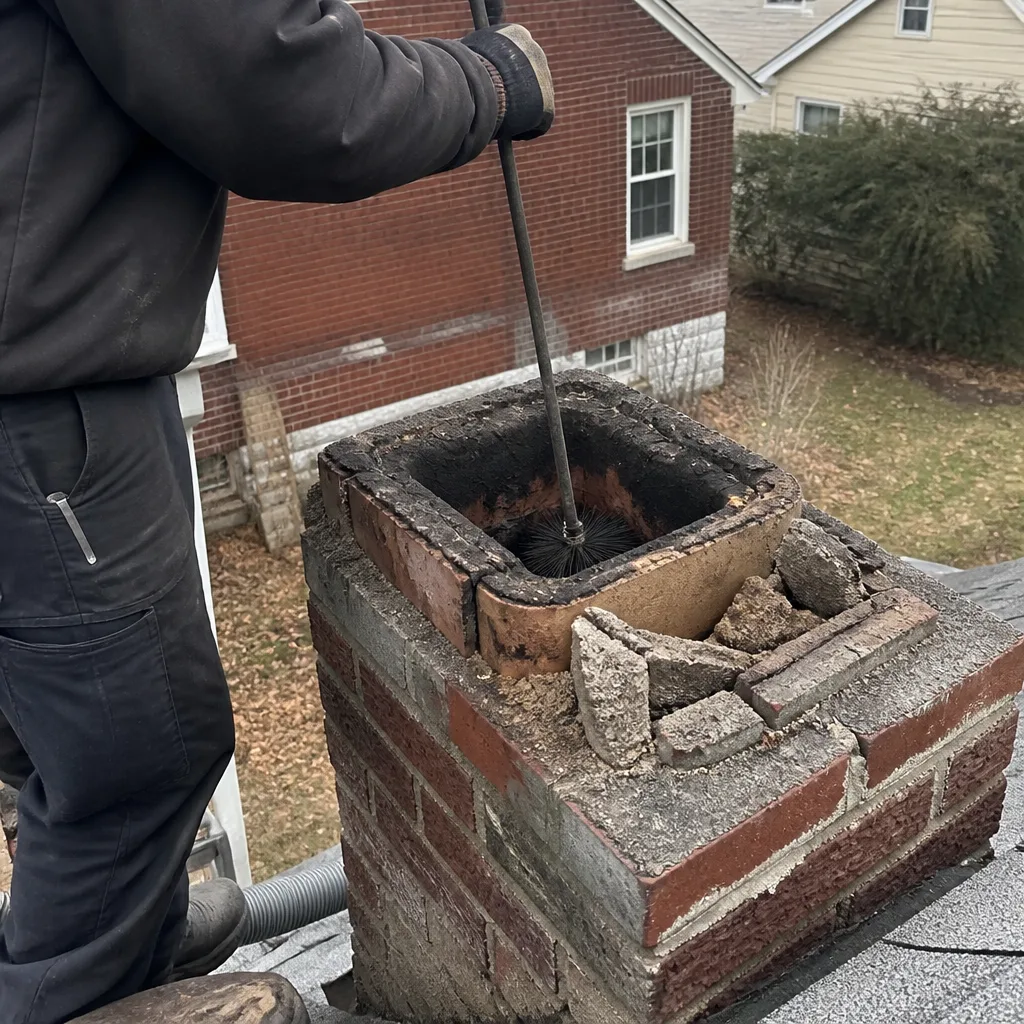 Before
 After
After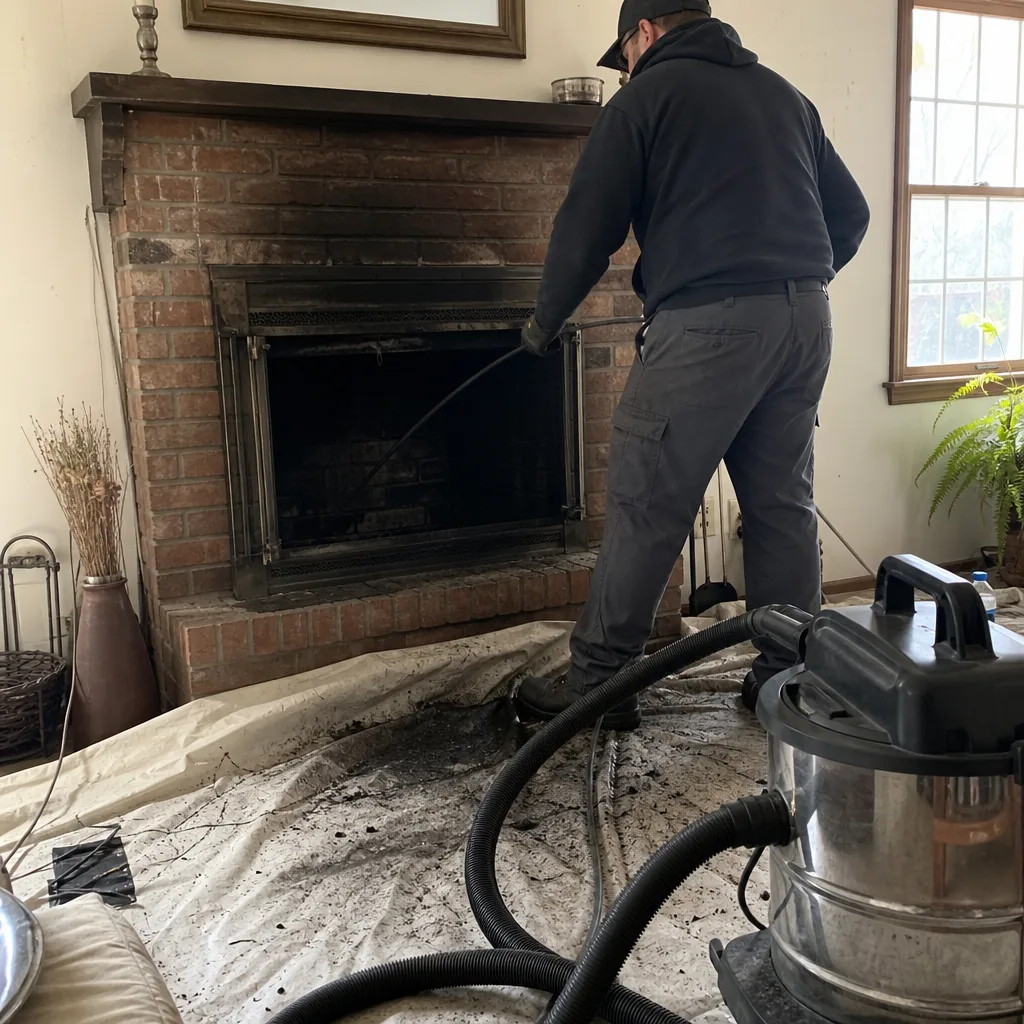 Before
 After
AfterChimney Cleaning Warning Signs: A Allentown Homeowner’s Reference Guide
If your fireplace smokes back into the room every time you light it, you’ve probably adjusted your technique. You crack a window, open the damper extra wide, use smaller logs. That adaptation is your chimney telling you something is wrong in a language you’ve learned to ignore. In Allentown, where homes average 60 years old and many neighborhoods still run on original clay tile liners, these quiet symptoms are how small problems become $3,000 rebuilds. This guide maps every warning sign your chimney gives you, what it actually means, and whether you can wait for a routine sweep or need to stop burning today. For more guides & resources, visit our blog.
Quick Answer
The most common chimney warning signs are smoky fireplace starts, persistent odors (especially after rain), visible staining on interior walls or exterior brick, poor draft that forces you to adjust your burning habits, and unusual sounds from the flue. In Allentown’s older housing stock, these symptoms often point to deteriorated clay tile liners, settled foundations affecting flue alignment, or creosote buildup from burning unseasoned hardwood. Some signs mean schedule a cleaning within the month; others mean stop burning immediately and call a professional. For help deciding, see our DIY vs Professional Chimney Cleaning: The Allentown Homeowner’s Decision Guide.
Table of Contents
- Smoky Fireplace Starts and Backdrafting
- Persistent Odors: What Your Chimney Smells Like and Why
- Visible Staining Inside and Outside the Home
- Poor Draft and the Adaptation Trap
- Unusual Sounds From the Flue
- Exterior Warning Signs Homeowners Miss
- How Allentown’s Aging Housing Stock Hides Problems
- When to Stop Burning and Call Immediately
Smoky Fireplace Starts and Backdrafting
Smoke rolling into the room on cold starts is the warning sign we hear about most often in Allentown, and it’s the one homeowners adapt to fastest. You learn to open the damper ten minutes early. You crack the basement window. You stand ready with a fan. Each workaround feels like a solution until the day it doesn’t work at all.
Here’s what smoky starts actually indicate, ranked by severity:
- Cold flue syndrome. In Allentown’s winter climate, an exterior chimney on a north-facing wall can stay below room temperature for hours. The cold air inside acts like a plug. The fix is usually procedural: pre-warm the flue with a rolled newspaper torch before lighting the main fire. This is not a defect; it’s physics. But if pre-warming doesn’t solve it, look deeper.
- Partial blockage. Creosote buildup, bird nests, or collapsed liner sections restrict the flue opening. A Level-2 camera inspection reveals the exact location and nature of the blockage. We’ve found everything from squirrel caches in West End chimneys to deteriorated mortar creating ledges where creosote accumulates in the Historic District.
- Negative pressure in the house. Modern weatherization, powerful kitchen exhaust fans, and tightly sealed windows can pull air down the chimney instead of letting it rise. This is increasingly common in Allentown’s 1980s and 1990s subdivisions where homeowners have upgraded windows and insulation without adjusting combustion air supply.
- Flue size mismatch. An oversized flue for a modern insert, or a flue damaged by chimney fire, cannot establish proper draft. In homes built before 1960 with original fireplaces, the flue was designed for open burning, not for the efficient inserts homeowners install today.
- Structural settling. Allentown’s clay soils and freeze-thaw cycles cause foundation movement that can tilt or separate flue sections. Smoke follows the path of least resistance, and a cracked liner creates a shortcut into your living space.
The critical distinction: if smoky starts are new, something changed. If they’ve gradually worsened over years, something is wearing out. New symptoms often trace to a blocked flue or house pressure changes. Gradual worsening in an Allentown home built before 1970 usually means liner deterioration or structural settling. Both require camera inspection to diagnose accurately.
Our Chimney Cleaning & Sweep in Allentown includes a basic visual inspection, but smoky starts warrant the Level-2 camera inspection that documents what we find with photos you can see and a plain-English verdict.
Persistent Odors: What Your Chimney Smells Like and Why
Chimney odors are diagnostic. The specific smell tells us what’s happening inside the flue, and when the smell appears tells us where the moisture is coming from.
Asphalt or tar smell, strongest in summer: This is creosote. When humidity rises, creosote deposits release volatile compounds. The smell intensifies in Allentown’s humid July and August when air conditioning creates negative pressure that pulls chimney air into the house. If you smell this, you have significant creosote buildup. It’s not immediately dangerous, but it’s fuel for a chimney fire and it means your last sweep either missed sections or was too long ago. See The Complete Guide to Chimney Cleaning in Allentown for what a thorough sweep should cover.
Musty or damp-earth smell after rain: Water is getting in. The source could be a failed chimney crown, deteriorated mortar joints in the crown wash, or flashing separation where the chimney meets the roof. In Allentown, we see this frequently in homes with original concrete crowns that have cracked from decades of thermal cycling. Water inside the flue accelerates liner deterioration and rusts metal components. It also breeds mold in the smoke chamber.
Rotten or decomposing smell: Organic material is in the flue. Birds, squirrels, or raccoons have nested or died. In Allentown’s tree-heavy neighborhoods like West Park and the area around Cedar Creek Park, animal entry is common from March through June. The smell worsens as temperatures rise. This requires immediate attention: the animal must be removed, the entry point sealed with a proper chimney cap, and the flue inspected for damage from urine and feces, which are corrosive to metal liners.
Sour or acrid smell during burning: This indicates incomplete combustion, usually from burning unseasoned wood or from a flue that cannot exhaust fast enough for the fire size. The smoke is lingering in the firebox and condensing on cooler surfaces. It’s also a warning that carbon monoxide may be spilling into the room.
Odor location matters too. Smell concentrated near the fireplace suggests a firebox or smoke chamber issue. Smell in upstairs bedrooms near the chimney chase suggests a breach in the liner allowing fumes into wall cavities. Smell in the basement suggests a disconnected or deteriorated cleanout door, common in Allentown’s older homes where basement cleanouts were standard construction.
Visible Staining Inside and Outside the Home
Staining is the chimney’s most honest communication. It doesn’t adapt, hide, or improve with time. What you see is what is happening.
White or gray powder on interior walls near the chimney: This is efflorescence, mineral salts carried by moisture through masonry. It means water is moving through the chimney structure, dissolving salts, and depositing them on your drywall. In Allentown, we see this pattern frequently in center-hall colonials where the chimney runs through the center of the house. The water source is often a failed crown or deteriorated pointing between bricks. The damage is progressive: plaster deteriorates, framing members rot, and insulation becomes ineffective. The stain is the early warning. By the time drywall buckles, repair costs have multiplied.
Brown or yellow stains on ceiling near chimney: Active leak. The flashing has failed, the cricket (the small roof behind a wide chimney) is improperly flashed or missing, or the chimney shoulder has cracked. Allentown’s snow load and freeze-thaw cycles stress these junctions continuously. This is not a chimney sweep issue; it’s a chimney repair issue, but the sweep inspection should catch it before water reaches the ceiling.
Black or dark brown staining on fireplace face or hearth: Smoke spillage. The firebox is not containing combustion, or the smoke chamber is not funneling smoke into the flue. Causes include a smoke chamber that was never properly parged (smoothed), a damper that doesn’t open fully, or a firebox that’s too shallow for the fireplace opening. In Allentown’s pre-war housing stock, we’ve found smoke chambers that were never parged at all, just rough brick that creates turbulence and deposits creosote on every ledge.
Green or black staining on exterior brick: Organic growth from chronic moisture. The chimney stays wet enough to support moss, algae, or mildew. This indicates failed pointing, porous brick from age or improper cleaning, or a crown that sheds water onto the brick instead of away from it. Allentown’s acid rain history, particularly from the 1970s through 1990s, accelerated brick surface deterioration, making older chimneys more susceptible to water absorption.
Document staining with dated photos. Patterns change seasonally, and a sweep who sees the progression can diagnose more accurately than from a single snapshot.
Poor Draft and the Adaptation Trap
Poor draft is the most insidious warning sign because it trains you to compensate. You learn to build smaller fires, leave the glass doors cracked, keep the room colder so the temperature differential helps pull air up. Each adaptation masks the underlying problem while allowing it to worsen.
Proper draft depends on three factors: temperature differential (hot air rises), flue height (taller creates stronger pull), and unrestricted flue area. When any factor degrades, you feel it as a fire that’s hard to start, that smolders instead of burning brightly, or that requires constant attention to keep flames active.
In Allentown, we see draft problems cluster in specific situations:
- Homes with exterior chimneys on the north side. The entire chimney mass stays cold, especially in January when Allentown temperatures drop into single digits. Cold flue air resists rising. Pre-warming helps, but if the flue is uninsulated clay tile, the cold mass overwhelms the small heat input from a newspaper torch.
- Homes where the chimney was shortened. Previous owners sometimes removed chimney height for aesthetic reasons or during roofing work. Every foot of height lost reduces draft capacity. Building codes specify minimum height above roofline and nearby structures, but older work may not have complied.
- Homes with added energy efficiency. New windows, door seals, and attic insulation reduce infiltration air. The house becomes a tighter container. Without makeup air, combustion appliances compete for the limited oxygen supply, and the chimney loses the pressure battle to stronger fans.
- Homes with damaged liners. A cracked clay tile liner or corroded metal liner allows air to leak into the flue path. This disrupts the smooth column of rising hot gas, creating turbulence that reduces effective draft. In Allentown’s aging housing stock, we’ve replaced liners in homes where the original clay tiles had cracked from thermal shock, often from a previous chimney fire the owner never knew occurred.
The adaptation trap is dangerous because it works, until it doesn’t. The day the conditions align - colder outside, wetter wood, a bathroom fan running upstairs - the fire backdrafts completely, filling the room with smoke and carbon monoxide. The homeowner who has “always done it this way” is caught unprepared.
Our recommendation: if you’ve adapted your burning technique more than once in the past two years, schedule inspection. The flue should work with normal procedures. When it doesn’t, something has changed. Learn what to expect from the process in How to Hire a Chimney Cleaning Contractor in Allentown: A Step-by-Step Guide.
Unusual Sounds From the Flue
Chimneys should be silent when not in use, and during use you should hear only fire sounds. Other noises are signals.
Wind whistling or howling: The chimney cap is missing, damaged, or improperly sized. A cap that fits loosely creates an edge tone, like blowing across a bottle opening. In Allentown’s exposed hilltop neighborhoods, winter winds accelerate this effect. Beyond the noise, a missing cap allows rain, snow, and animals direct access to the flue.
Ticking or popping during heating: Metal expansion. This is normal in moderate degree for metal prefabricated chimneys and stainless steel liners. Excessive ticking suggests inadequate clearance to combustibles, where the metal is heating nearby framing or where a liner is contacting the clay tile surround. In Allentown homes with retrofit liners installed by non-specialists, we’ve found liners that were not properly insulated or spaced, creating contact points that transfer heat and make noise.
Rustling or scratching: Animal activity. Squirrels are active dawn and dusk. Raccoons are heavier, more deliberate. Birds flutter rapidly. Timing helps identify the species, which affects removal approach. In Pennsylvania, chimney swifts are protected during nesting season (May through August). Active nests cannot be disturbed legally. A professional sweep can identify the species and advise on legal, effective timing for cap installation.
Dripping or running water: Active leak, usually from crown failure or flashing separation. The sound may be audible in the firebox or in wall cavities. Water volume increases during Allentown’s spring rains and during snow melt when ice dams force water sideways under shingles.
Rumbling or roaring during fire: This is the sound of a chimney fire. Creosote deposits have ignited. The fire may be contained within the flue or may have breached to surrounding structure. Close the damper if safely accessible, evacuate, and call 911. Do not attempt to extinguish from below. After the fire department clears the scene, the chimney must be inspected before further use. Clay tile liners often crack from thermal shock even when the fire appears contained. Metal liners may warp or separate. The Chimney Repair in Allentown page details our post-fire inspection protocol.
Exterior Warning Signs Homeowners Miss
The most dangerous chimney problems often announce themselves outside the firebox, where homeowners don’t think to look. We find these during routine inspections in Allentown homes where the owner reported “no problems” because the fireplace worked adequately.
Efflorescence on exterior brick: White powdery deposits that brush off easily. This is mineral salt migration, evidence that water is moving through the masonry matrix. It’s not merely cosmetic. The water movement dissolves mortar joints from within, progressively weakening the structure. In Allentown’s older brick, which was often fired at lower temperatures than modern brick, the freeze-thaw cycle of water entering and expanding accelerates surface spalling - the flaking and popping off of brick faces.
Spalled brick faces: Brick surfaces that have flaked away, exposing the softer interior. This is advanced water damage. The brick has absorbed water, frozen, and the expansion has fractured the fired exterior. Once spalling begins, it accelerates. The exposed interior absorbs water even faster. We’ve rebuilt chimney tops in Allentown neighborhoods where spalling had progressed through multiple courses, reducing structural capacity and allowing water direct access to the flue.
Deteriorated mortar joints: Mortar that crumbles when probed with a screwdriver, or joints recessed more than half an inch from the brick face. This is called tuckpointing failure. Water enters, freezes, and wedges the joint wider. In Allentown’s climate with 20 to 30 freeze-thaw cycles annually, this process moves quickly once started. Repointing is straightforward when caught early. Left alone, it leads to loose brick, wall instability, and eventual rebuild.
Crown cracks: The concrete cap at the chimney top should shed water in all directions. Hairline cracks are normal as concrete cures and ages. Cracks that widen to pencil-width or that run completely across the crown allow water into the chimney core. In Allentown, we recommend crown sealant for minor cracking, or complete crown replacement when cracks are extensive. A proper crown has a drip edge that directs water clear of the brick below.
Flashing gaps or lifted shingles: The metal junction between chimney and roof is the most leak-prone area in residential construction. Step flashing should weave with each shingle course; counterflashing should embed into mortar joints. In Allentown’s older homes, we’ve found original flashing that’s simply caulked to the brick, a method that fails within five to ten years as caulk degrades from UV exposure.
Leaning or separated chimney: Any visible tilt or gap between chimney and house wall indicates structural failure. This can result from foundation settlement, inadequate original footing, or deterioration of the chimney base. It is an immediate safety concern. Do not use the fireplace. The chimney may require stabilization, rebuilding, or in some cases, complete removal and replacement with a factory-built system.
We recommend seasonal exterior inspection from ground level with binoculars, plus a closer look during gutter cleaning or roof work. Document changes with photos dated each season.
How Allentown’s Aging Housing Stock Hides Problems
Allentown’s housing character creates chimney warning signs that differ from newer markets. Understanding these local patterns helps interpret what you’re seeing.
Clay tile liner deterioration: From the 1920s through the 1970s, clay tile was the standard flue liner. It performs adequately when intact, but thermal shock from chimney fires, decades of acid rain exposure, and freeze-thaw damage from water entry cause progressive cracking. The critical pattern in Allentown: liner damage often remains hidden because the tiles stay in place, cracked but not collapsed. A Level-2 camera inspection is the only way to see the condition. We’ve documented liner sections in West End homes that appeared sound from below but showed multiple cracks and missing mortar between tile joints when viewed from inside.
Foundation settlement and flue misalignment: Allentown’s clay-heavy soils expand and contract with moisture changes. Chimneys built without proper footings, or with footings on disturbed soil, settle differentially from the main house. The flue, rigid clay tile or metal liner, cannot flex. It cracks, separates at joints, or tilts within the masonry surround. Symptoms include smoke spillage that worsens gradually, odors in basement or adjacent rooms, and visible chimney lean. Our Fireplace Services in Allentown includes structural assessment when settlement is suspected.
Acid rain legacy: Allentown’s location in the Northeast corridor exposed masonry to elevated acid deposition from the 1960s through 1990s. This accelerated mortar deterioration and brick surface degradation. Chimneys that appeared sound in 1980 may now have significantly compromised mortar and spalled brick faces. The damage is often most severe on the side facing prevailing winds, typically the southeast exposure in this region.
Altered original construction: Many Allentown homes have had chimneys modified for oil, then gas, then back to wood, or have had inserts installed without proper flue adaptation. Each change left its mark. We’ve found unlined gas appliance connectors still in place inside flues now used for wood burning, creating obstruction and creosote accumulation points. We’ve found original thimbles for coal stoves that were never properly sealed when conversion occurred. These modifications create warning signs that don’t match standard diagnostic patterns.
Neighborhood-specific patterns: In the Historic District, we’ve seen multiple chimneys with original parging (the smooth coating inside the smoke chamber) that has calcified and detached, creating ledges where creosote accumulates. In the 1950s and 1960s subdivisions east of the Lehigh River, we’ve found factory-built metal chimneys that have exceeded their design lifespan and show corrosion at the chase cover. In the West End, larger homes with multiple fireplaces often have one flue that was never properly constructed for the fireplace it serves, a century-old mismatch now showing as chronic draft problems.
These patterns don’t appear in generic chimney guides because they’re specific to Allentown’s built environment. A sweep who knows the local housing stock recognizes them faster and diagnoses more accurately.
When to Stop Burning and Call Immediately
Most warning signs allow time for scheduled inspection. A few demand immediate action. The difference is risk to life and property.
Stop burning today and call if you observe:
- Visible flames or glowing material in the flue outside the firebox (chimney fire)
- Smoke entering the room that cannot be cleared by normal draft improvement measures
- Carbon monoxide detector activation, especially if correlated with fireplace use
- Fallen brick or masonry debris in the firebox or at the cleanout
- Visible crack or separation in the chimney structure, or any lean
- Strong odor of creosote combined with visible sparks or embers rising from the chimney top
These conditions indicate active hazard. Continued use risks fire spread to structure, carbon monoxide poisoning, or structural collapse.
Schedule within one to two weeks if you observe:
- New or worsening smoky starts that pre-warming doesn’t resolve
- Persistent odors, especially after rain
- Any new staining on interior walls or ceiling near chimney
- Animal sounds or evidence of nesting
- Gradual draft deterioration requiring technique adaptation
These conditions indicate progressive problems that will worsen and become more expensive, but do not create immediate danger with normal, careful use.
Schedule routine maintenance if:
- Annual inspection is due (NFPA 211 recommends annual Level-1 inspection for all chimneys, regardless of use)
- You’re new to the home and have no documentation of previous service
- You’re considering a fireplace insert or heating appliance change
When you call, describe symptoms specifically rather than requesting “just a cleaning.” Tell us: when the problem started, what makes it better or worse, what you’ve already tried, and where in the house you observe effects. This information directs the inspection efficiently and often reveals patterns the homeowner hasn’t recognized. A sweep who knows you’re seeing white stains on the bedroom wall above the fireplace will inspect differently than one who hears only “draft problems.”
Hearthstone Chimney Co. offers free estimates in Allentown. A live person answers every call, 24 hours a day, 7 days a week. Call (610) 632-1394.
Common Mistakes to Avoid
- Treating adaptation as solution. Every workaround you develop for a smoky fireplace - the cracked window, the smaller logs, the longer pre-warm - is evidence of a problem that continues worsening while you compensate. Adaptation delays proper diagnosis and increases eventual repair cost.
- Assuming no use means no maintenance. In Allentown, we’ve found severe deterioration in chimneys that haven’t been used for years. Water entry, freeze-thaw damage, and animal intrusion continue regardless of fire frequency. An unused chimney with a missing cap can sustain more damage in one winter than a used chimney with proper maintenance.
- Judging chimney condition by firebox appearance. The firebox is the easiest part to see and often the last to show problems. Liner deterioration, structural settlement, and water damage progress in areas hidden from normal view. The firebox can look fine while the chimney is unsafe.
- Hiring based on lowest price without verifying scope. A sweep that doesn’t include camera inspection cannot assess liner condition. A sweep that doesn’t access the roof cannot assess crown, cap, or flashing. In Allentown’s market, we’ve corrected work from low-price competitors who cleaned visible creosote but missed blocked flue sections or deteriorated liners.
- Ignoring exterior signs because “the fireplace works fine.” Efflorescence, spalled brick, and deteriorated mortar are structural warnings. The fireplace may draft adequately while the chimney structure degrades around it. Exterior inspection is essential to complete assessment.
- Delaying after a chimney fire. Even a “small” chimney fire that seemed to self-extinguish can crack clay tiles, warp metal liners, and damage surrounding structure. We’ve inspected chimneys where the owner reported “a little extra noise one night” and found multiple cracked liner sections and heat-damaged mortar. Always inspect after any suspected fire.
- Using the wrong fuel for the appliance. Burning pressed logs in a fireplace not rated for them, or burning wood in a gas-designed appliance, creates temperatures and combustion byproducts the system cannot handle. Allentown’s older homes especially have mismatched components from decades of modifications.
When to Call a Professional
Call a professional when warning signs persist beyond simple troubleshooting, when annual inspection is due, when you’re new to a home with unknown service history, or when any immediate hazard sign appears. In Allentown’s aging housing market, we also recommend professional assessment before any home purchase that includes a functioning fireplace or heating appliance chimney.
A qualified sweep provides documented inspection with photos, explains findings in plain language, and distinguishes between maintenance needs, repair needs, and safety concerns that require immediate action. The inspection should leave you with specific information, not vague anxiety.
At Hearthstone Chimney Co., every Level-2 inspection ends with photos you can see and a plain-English verdict. Our 90-Day Done Right Promise means if it’s not right, we make it right, backed in writing with no arguing. Background-checked, uniformed technicians complete most jobs in a single visit, with no-hassle upfront pricing so there are no surprises on the bill. We’ve served local communities for over 42 years, and we plan to be here when your chimney needs attention again.
Call (610) 632-1394 for a free estimate. A live person answers, every hour of every day.
Frequently Asked Questions
A standard chimney sweep and Level-1 inspection in Allentown typically runs between $200 and $350, depending on accessibility, flue condition, and whether animal removal or debris clearing is needed. Level-2 camera inspections, which we recommend for any home with warning signs or unknown service history, range from $350 to $550. Our $89 Seasonal Tune-Up offers basic maintenance at reduced cost during off-peak months. Call (610) 632-1394 for an exact quote - estimates are free.
You need a new liner when the existing liner is damaged in ways that compromise safety, not when a sweep simply recommends replacement. Clay tile liners with hairline cracks may continue functioning with more frequent inspection. Clay tile with missing pieces, separated joints, or gaps that allow combustion gases into wall cavities must be replaced. Metal liners with corrosion holes, separation at joints, or warping from previous chimney fire must be replaced. We document liner condition with camera photos you can see, explain exactly what we found, and note which damage requires immediate action versus monitoring. No recommendation for liner work comes without camera evidence you can review yourself.
The National Fire Protection Association recommends annual inspection for all chimneys, and cleaning when creosote buildup exceeds one-eighth inch. For Allentown homeowners who burn wood as primary heat, that usually means annual sweeping. Occasional users may extend to every two years if inspection shows minimal buildup. The specific interval depends on wood quality, burning habits, and appliance efficiency. Unseasoned wood, smoldering fires, and airtight inserts all accelerate creosote accumulation. We assess buildup during inspection and recommend timing based on what we measure, not a fixed calendar.
Skipped maintenance allows creosote accumulation, which increases chimney fire risk and progressively restricts flue capacity. Water entry from uncapped or deteriorated chimneys damages liners, rusts metal components, and rots adjacent framing. Animal nesting creates blockage and fire hazard. In Allentown’s older homes, these problems compound: deteriorated mortar allows more water entry, which accelerates liner damage, which reduces draft, which causes more creosote condensation. The cycle escalates repair costs geometrically. A $250 sweep skipped becomes a $2,500 liner replacement deferred becomes a $8,000 rebuild required. The maintenance cost is always the smallest number in this sequence.
Homeowners can and should observe from ground level: check for missing caps, visible lean, exterior staining, and proper damper operation. You can shine a flashlight up the flue from the firebox to spot obvious blockages or heavy creosote. What you cannot assess: liner condition inside the flue, structural integrity of the smoke chamber, proper clearances to combustibles, or subtle signs of water damage in concealed areas. Professional inspection with proper equipment reveals what homeowner observation cannot. We encourage informed homeowners who know what to watch for; we provide the assessment that requires training and tools.
A chimney sweep removes combustible deposits from the flue and firebox. A chimney inspection evaluates the entire system condition, including structure, liner, clearances, and appliance connection. In Allentown, we often perform both together, but they are distinct services. You can sweep a chimney that has hidden structural damage, leaving it clean but unsafe. You can inspect a chimney that doesn’t need cleaning, confirming safety without unnecessary work. A thorough provider distinguishes between the two and recommends only what your specific chimney needs.
The Bottom Line
Chimney warning signs rarely arrive as emergencies. They arrive as adaptations: the window you crack, the smaller logs, the smell you notice only on humid days. In Allentown’s older housing stock, these quiet signals often trace to clay tile liner deterioration, foundation settlement, or water damage progressing behind intact surfaces. The homeowner who recognizes adaptation as symptom, not solution, catches problems when they’re still maintenance. The homeowner who waits for obvious failure often faces rebuild.
Document what you observe. Describe it specifically when you call. Insist on camera evidence for any recommendation beyond routine cleaning. And schedule annual inspection regardless of use - water, weather, and time don’t pause when the fireplace does.
Done right, and we stand behind it. That’s the Keystone Standard we’ve operated by since 1984.
Written by Russell Haines, Owner at Hearthstone Chimney Co., serving Allentown since 2014.